World news and discussion on TalkFuse.
Celebrity who threatened kill himself if sex abuse allegations were made public LOSES High Court bid to gag the media
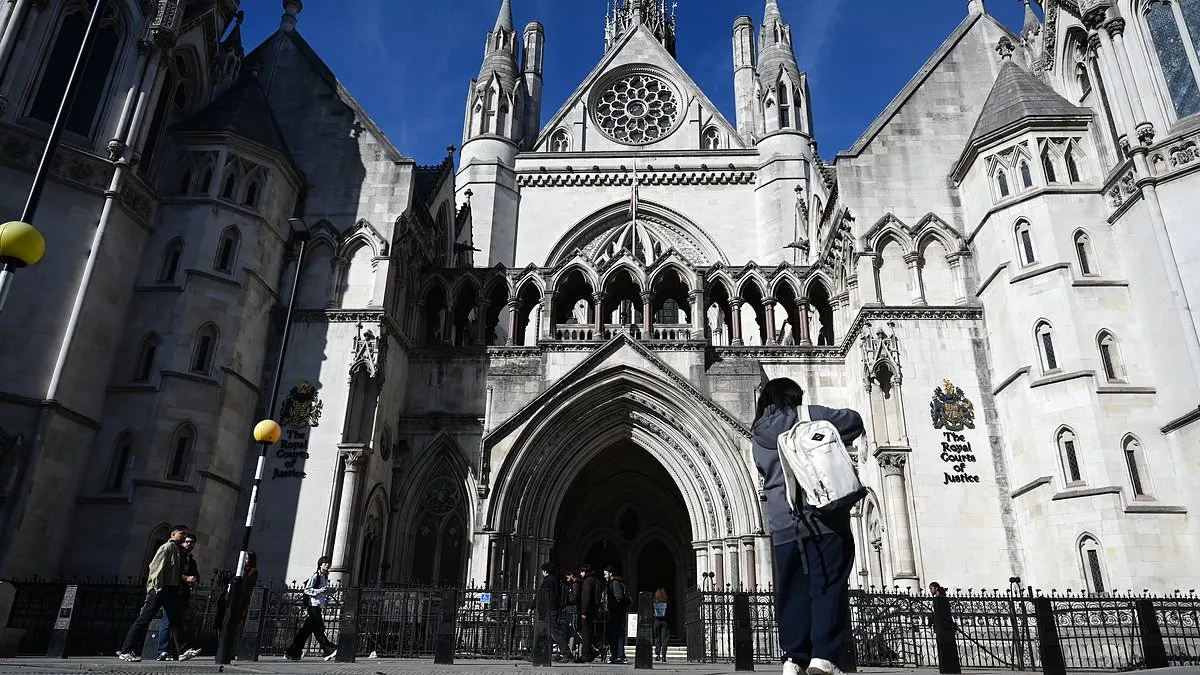
A celebrity identified in court only as PPT has lost a High Court bid to stop ITN and The Guardian reporting allegations of sexual misconduct. The judge refused an injunction, finding that the proposed reporting could contribute significantly to public debate and that blocking it would impose a serious restriction on freedom of expression.
The judge accepted that the risk of suicide was genuine and grave, and that publication could cause acute, prolonged mental suffering. PPT’s lawyers said he had attempted suicide twice since learning of the allegations, which he denies; media lawyers said more than 100 people had been interviewed in their investigations. His identity remains subject to a reporting restriction for now, and his lawyer indicated he may appeal.
In short
- High Court refuses to block reporting of allegations.
- PPT remains anonymous under a reporting restriction.
- His lawyer indicated an appeal may follow.
Steelman: both sides, in good faith
The strongest fair case each way — we don't pick a winner.
The case for
The media should be able to report allegations that may raise matters of substantial public interest, particularly after extensive investigation and where the reporting could contribute to public debate. Preventing publication would seriously restrict freedom of expression and could limit scrutiny of how such allegations are handled.
The case against
A court should give serious weight to the risk of grave, lasting harm to a person who denies the allegations, especially where the judge accepted that the risk of suicide was genuine. A temporary injunction could protect his safety and privacy while the allegations are examined, without deciding whether they are true; his supporters may argue that this harm outweighs the public interest in immediate reporting.
Explained simply
The case concerns allegations of sexual misconduct against a well-known person, referred to in court as PPT. He denies the allegations, and the media organisations involved say they have interviewed more than 100 people as part of their investigations.
Courts can grant an injunction to prevent news organisations publishing information, but must weigh privacy and personal safety against freedom of expression and the public interest. The case raises questions about how those interests should be balanced when reporting could contribute to public debate and may also cause severe distress.
PPT’s identity is restricted from publication for now. The allegations remain unproven, and the court proceedings may continue if he appeals.