Centrelink cash boost for millions of Aussie pensioners and JobSeeker recipients: What you need to know
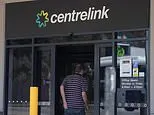
More than 5.3 million Australians receiving social security payments will see increased rates from Thursday 20 September, as part of a scheduled indexation adjustment. Minister for Social Services Tanya Plibersek said the change will deliver an extra $4 billion in cost-of-living relief, helping recipients cover rent, food and everyday bills, with the government also lifting social security deeming rates on financial assets.
Single pensioners will receive an extra $36.80 a fortnight, bringing the maximum rate to $1,237.70, while couples combined will get $1,866. The maximum single JobSeeker Payment rises by $16.20 to $833.70 a fortnight, over $4,700 more annually than in 2022, and Parenting Payment recipients will see increases of $20.90 (singles) and $14.80 (partnered, each). Nearly a million renters will benefit from higher Commonwealth Rent Assistance, up around 53 per cent since 2022, while deeming rates from 20 September will rise to 1.75 per cent on financial assets up to $66,800 (singles) or $110,600 (couples), with 3.75 per cent applying above those thresholds.
- Centrelink payments rise for 5.3 million Australians from 20 September
- Pension, JobSeeker and Parenting Payment rates all increase via indexation
- Government also raises deeming rates on financial assets
New here? Start with this
Centrelink is the Australian government agency, run through Services Australia, that pays welfare and support payments to millions of people. These include the age pension for older Australians, JobSeeker for those looking for work, and various parenting and disability payments. Because so many households rely on these payments to cover everyday costs, any change to the amounts paid out has a wide-reaching effect on family budgets.
The rates for these payments are not fixed permanently. They are reviewed and adjusted periodically, usually in line with measures of inflation or wage growth, so that payments keep pace with the rising cost of living. These reviews typically happen at set points in the year and are handled by the federal government department responsible for social services, working alongside Services Australia, which administers the payments.
This kind of adjustment matters because pensioners, jobseekers and low-income families often have little financial buffer, so even modest changes to their payments can make a noticeable difference to their weekly finances. Coverage of these updates generally focuses on how much more people can expect to receive, who qualifies, and when the new rates take effect.