Health news and discussion on TalkFuse.
Certain sleep habits could offer clues to hidden type of depression, scientists say
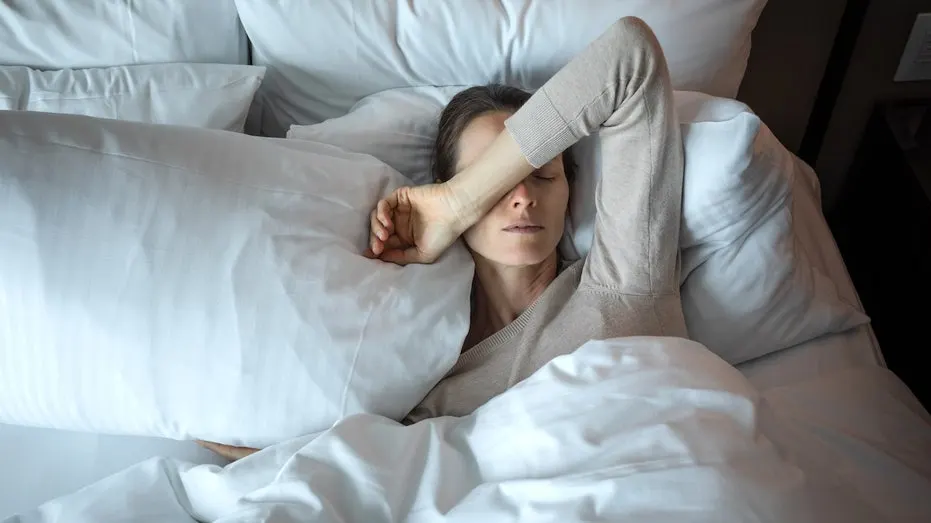
Researchers identified a possible depression subtype linked to sleep timing and the body’s internal clock, which could eventually help tailor treatment. They stress that “circadian depression” is a proposed profile, not a formal diagnosis, and the study cannot show whether disrupted body clocks cause depression or result from it.
The study examined 11,380 Australian adults with a history of depression; about 23% met at least three of six criteria, including being an evening person, prolonged sleep during worse periods and social jetlag. Those in the group reported earlier onset, more severe symptoms, weight gain and poorer responses or more side effects with SSRIs and SNRIs. Researchers say the findings need independent replication, and clock-focused approaches such as regular sleep schedules and light exposure require further study.
In short
- A proposed depression subtype may be linked to body-clock disruption.
- About 23% of 11,380 adults with a depression history met its criteria.
- The findings do not establish whether sleep disruption causes depression.
Health Mental Health Research Science World