Ceuta migrant surge exposes Spain-Morocco tensions as Islamist groups reportedly seek to exploit border crisis
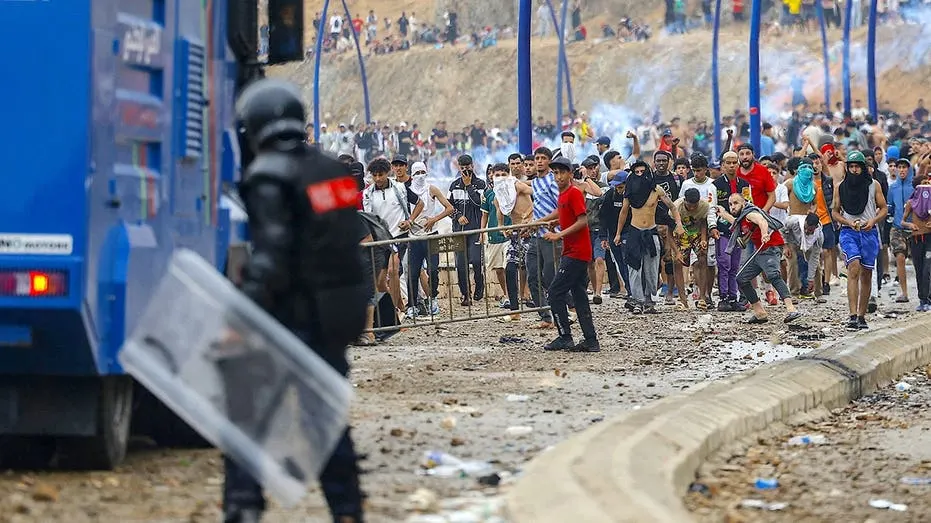
Thousands of migrants remain stranded in Spain's North African enclave of Ceuta after a mass border crossing from Morocco, prompting the European Union to offer emergency assistance to reinforce the territory's defences. Spanish authorities are also investigating whether criminals or suspected jihadists exploited the chaotic crossing to enter European territory, adding a security dimension to what is already a significant diplomatic and humanitarian crisis between Spain and Morocco.
Spanish officials said approximately 72,000 people crossed into Ceuta from Morocco, with around 70,000 subsequently returned, leaving roughly 2,000 migrants still in the small enclave. Reception facilities have been left overwhelmed by the surge, which has also strained relations elsewhere in Europe, with Italy reportedly reinstating border checks with Spain and other EU states weighing in on the response.
In short
- Around 2,000 migrants remain in Ceuta after a mass crossing from Morocco.
- EU offers emergency help; Spain probes possible criminal or jihadist exploitation.
- Crisis has strained EU relations, prompting Italy to reinstate border checks.
Steelman: both sides, in good faith
The strongest fair case each way — we don't pick a winner.
The case for
Governments have a legitimate duty to control who enters their territory and protect their citizens' security and social cohesion. That suspected jihadists or criminals may have exploited the chaos to cross the border unvetted represents a genuine security concern warranting investigation. The overwhelmed reception facilities demonstrate that unmanaged mass migration creates humanitarian problems rather than solving them. Responding with stronger border security, thorough vetting processes, and investigation of security threats is a proportionate exercise of state responsibility.
The case against
Whilst border management is legitimate, framing this crisis primarily as a security threat risks stigmatising vulnerable migrants and using security concerns to justify increasingly restrictive policies. The vast majority crossing were fleeing poverty and lack of opportunity, not representing a credible threat; conflating desperate migration with jihadism obscures the humanitarian reality. Genuine solutions require addressing root causes—poverty, conflict, and limited opportunity—through international cooperation and fair asylum processing, rather than border militarisation. Supporting refugees and migrants represents a more effective long-term approach than fortress-like border defences.
Explained simply
Ceuta is a small Spanish territory on the North African coast, bordered by Morocco. Spain’s control of Ceuta has long been a source of tension with Morocco, and people have crossed the border seeking to reach Europe.
Spain and Morocco are both important partners for the European Union, including on migration and border control. Large arrivals can put pressure on reception services and raise questions about how European countries share responsibility for managing migration.
The border crisis has humanitarian and diplomatic implications, while reports that criminal or extremist groups may have used the crossing have added security concerns. Those reports are part of an investigation; they do not establish that such groups were involved.