World news and discussion on TalkFuse.
Chainsmoker Cat anime captures how poverty keeps the cycle of addiction alive
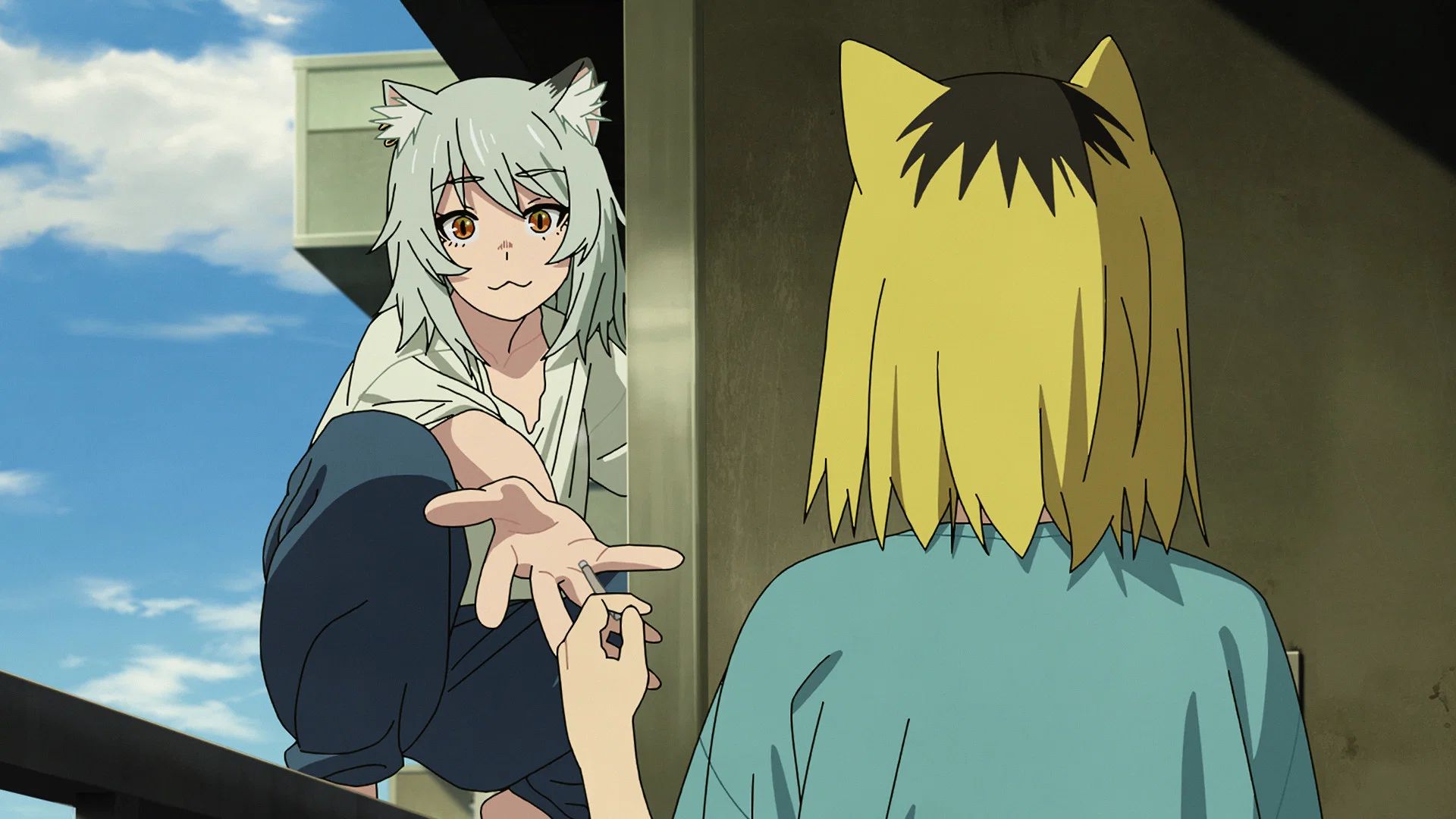
The Netflix anime Chainsmoker Cat has drawn praise for its unflinching portrayal of addiction, using its scruffy, nicotine-dependent protagonist Yaniko to explore how substance dependency and poverty reinforce one another rather than treating either as a standalone plot device. A Polygon writer, drawing on personal experience of addiction, argues the show avoids the usual extremes seen in Western media, which tend to either glamorise drug use, as in Blow and Trainspotting, or frame recovery as a triumphant climax, as in Flight and 28 Days. Instead, Chainsmoker Cat presents addiction as humiliating and dignity-stripping, even while mining it for comedy.
The article highlights an analysis from Unseen Japan suggesting the series is really about Japanese poverty, precarious work and social stigma, with Yaniko's inability to pay rent or bills illustrating how addiction and financial hardship become inseparable. Her cigarette habit repeatedly takes priority over necessities such as food or her water bill, reflecting what the writer calls the "impossible math" of addiction, where short-term relief is chosen over long-term survival. The piece argues this cyclical, messy portrayal rings truer to lived experience than more conventional redemption or glamourisation narratives.
In short
- Netflix's Chainsmoker Cat depicts addiction without glamourising or moralising it.
- Protagonist Yaniko's substance dependency and poverty feed each other.
- Analysis links the anime to wider commentary on Japanese poverty and precarity.
Steelman: both sides, in good faith
The strongest fair case each way — we don't pick a winner.
The case for
The show's value lies in rejecting both exploitation and false optimism—depicting addiction as degrading rather than glamorous, whilst acknowledging how poverty traps people in cycles beyond simple willpower or individual recovery narratives. This honesty serves viewers better than moralising or inspirational arcs that ignore systemic barriers; it validates lived experience and demands audiences confront uncomfortable truths about how economic precarity makes addiction a rational, if self-destructive, coping mechanism.
The case against
Whilst realism matters, an unrelenting focus on addiction's futility and indignity—with no counterweight of agency, recovery possibility, or structural solutions—risks demoralising viewers struggling with substance dependency rather than empowering them. Authentic representation need not exclude hope; responsible storytelling should consider whether such unflinching bleakness, however artfully rendered, might reinforce hopelessness in vulnerable audiences rather than inspire change at individual or systemic levels.
Explained simply
Chainsmoker Cat is a Netflix anime series that follows Yaniko, a struggling woman living in poverty. The show explores how addiction and financial hardship become intertwined, with her cigarette dependency repeatedly taking priority over basic necessities like food and paying bills.
The series has been praised for its portrayal of addiction, which differs from how the subject is typically treated in Western films and television. Rather than either glamorising substance use or presenting recovery as a triumphant solution, the anime presents addiction as degrading and humiliating whilst remaining entangled with poverty and social hardship.
Critics have highlighted that the show effectively illustrates what has been called the "impossible math" of addiction—when the short-term relief from substance use becomes prioritised over long-term survival. By grounding this in the context of Japanese poverty, precarious employment and social stigma, the series demonstrates how these issues reinforce one another rather than existing as separate problems.