Chancellor John Healey is told to scrap fuel duty rise as prices soar
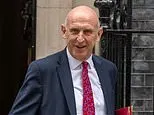
Chancellor John Healey is facing pressure to scrap a planned rise in fuel duty, as industry figures warn that record pump prices could persist for months due to the ongoing war in Iran. Critics say pressing ahead with the increase would undermine Labour's claims to be tackling the cost of living, at a time when motorists are already paying significantly more to fill up.
Petrol reached a record high since the conflict began, hitting 160.85p a litre, with diesel at 180.34p, according to figures cited in the article. The RAC found drivers have paid an extra £500 million at the pumps since the summer getaway began on 17 July, compared with pre-war prices. Despite this, fuel duty, currently 53p a litre, is due to rise by 3p on New Year's Day, with a further increase reportedly planned afterwards.
- Healey urged to axe fuel duty rise amid soaring pump prices
- Petrol hit a record 160.85p a litre, diesel 180.34p
- Drivers paid £500m extra since 17 July due to Iran war
Both sides, in good faith
The strongest fair case each way — we don't pick a winner.
The case for
Industry leaders and many motorists argue that with pump prices already climbing due to the Iran conflict pushing up oil costs, adding a further fuel duty rise would compound the squeeze on households and businesses that have little choice but to drive, particularly in rural areas with poor public transport. They contend that road users are already heavily taxed, that high fuel costs feed directly into inflation across the economy via haulage and delivery costs, and that scrapping the increase would be a straightforward, immediate way to ease cost-of-living pressure without requiring new legislation.
The case against
Those favouring the planned rise argue that the Chancellor faces significant fiscal constraints and that fuel duty is a major, reliable source of revenue that funds public services and infrastructure, including road maintenance itself. They point out that repeatedly freezing or cutting fuel duty, as recent governments have done, creates a growing hole in the public finances and undermines long-term efforts to shift transport towards lower-carbon alternatives. Bowing to pressure now, they suggest, would also set a precedent of reversing policy under lobbying whenever global events cause temporary price spikes, rather than maintaining a stable and predictable tax framework.