Chancellor John Healey ‘rules out’ warehouse tax in Budget after M&S boss’s call for growth
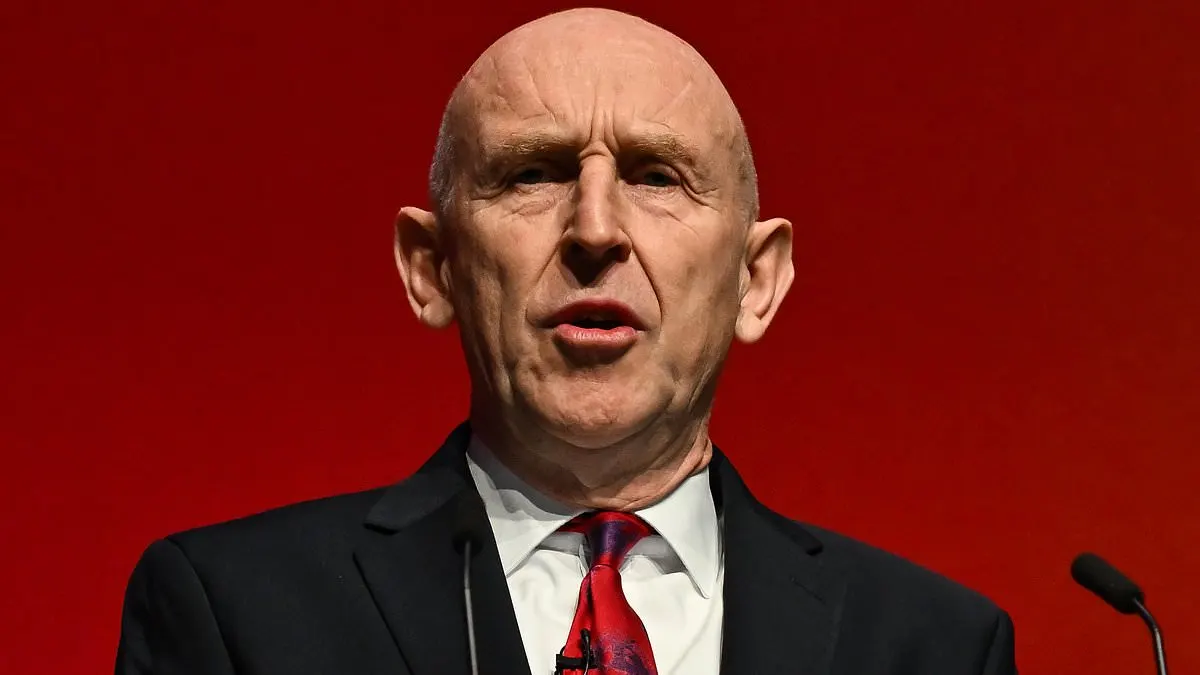
Chancellor John Healey has reportedly ruled out imposing a new tax on warehouse space in his first Budget, due on 28 October. The proposal had alarmed retailers, who said higher property costs could put further pressure on shops and businesses already struggling with rising expenses.
The concern follows a change in business rates for larger properties, which took effect in April for premises with a rateable value above £500,000. M&S chief executive Stuart Machin criticised the previous two Budgets and called for measures to support growth, while John Lewis chair Jason Tarry warned a warehouse tax could add costs and threaten store closures. The Treasury declined to comment on Budget speculation.
- Healey has reportedly ruled out a warehouse tax in his first Budget.
- Retailers warn further property costs could deepen pressure on shops.
- Larger properties above £500,000 already face higher business rates.
New here? Start with this
The government had been considering introducing a new tax specifically on warehouse and distribution properties. Retailers and other business owners had raised concerns that this tax would add to their running costs at a time when many were already facing financial pressure.
Major retailers including Marks & Spencer and John Lewis have been vocal about their concerns. This follows changes to business rates in April that increased costs for properties valued above £500,000, and retailer bosses have warned that further property taxes could force store closures and threaten jobs.
The Chancellor is due to present his first Budget on 28 October, when the government sets out its spending and taxation decisions for the year ahead. Whether the government supports business through its tax policies or increases the tax burden on property and retail is a decision with consequences for high streets, employment, and the broader economy.
Both sides, in good faith
The strongest fair case each way — we don't pick a winner.
The case for
A warehouse tax could encourage more efficient use of commercial property and generate needed public revenue from the retail sector. Supporters argue that warehousing infrastructure, whilst important to the supply chain, should contribute fairly to public finances, particularly given fiscal constraints. A measured tax is reasonable when set against the broader economic circumstances and the retailer sector's overall scale.
The case against
Retailers already face mounting pressures from business rates, energy costs, and labour expenses, making additional taxation counterproductive. Opponents contend that a warehouse tax risks accelerating store closures and job losses at a time when the high street needs stability, and would eventually increase consumer prices through supply chain costs. With the April business rates change already hitting large properties, further taxation undermines rather than supports the growth the government seeks.