AA urges John Healey to deepen fuel duty cuts in October Budget
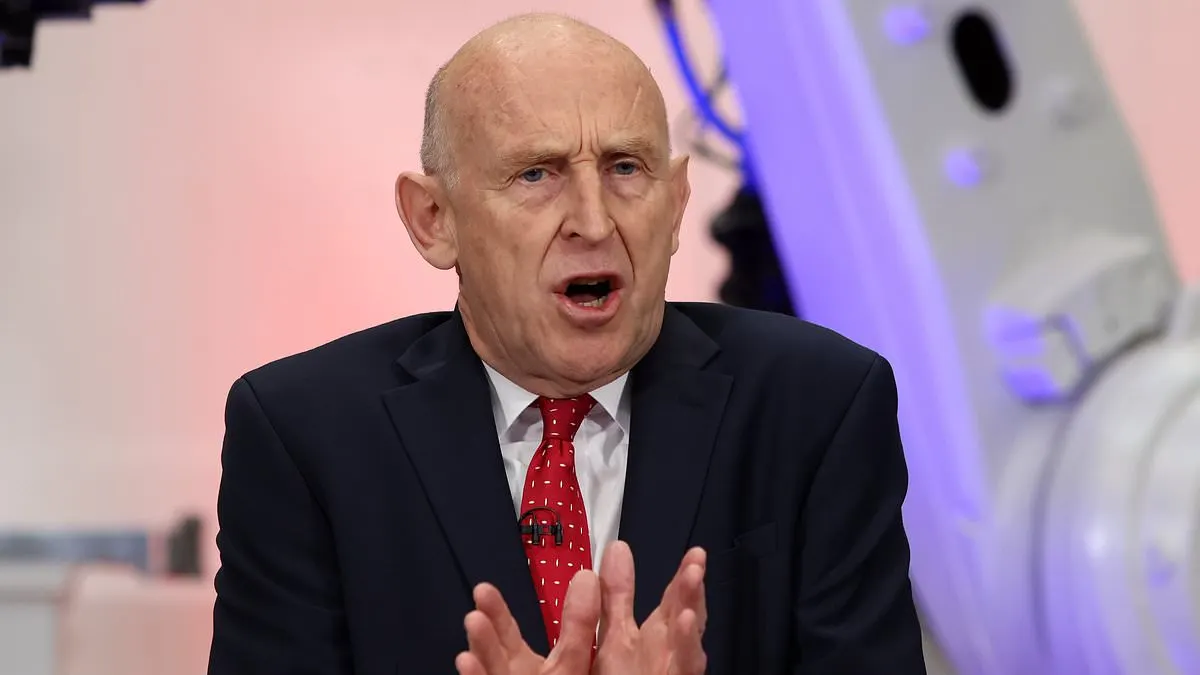
AA president Edmund King has urged Chancellor John Healey to extend the 5p-a-litre Fuel Duty cut and reduce the levy by another 5p in the 28 October Budget. The call comes as diesel prices have reached record levels and motorists face planned duty increases, with fuel costs also feeding into the price of goods and household bills.
The proposed cuts would save drivers about 12p per litre including VAT, or roughly £6.60 on an average family-car fill-up. At the start of October, more than 2,500 of around 8,000 forecourts were charging at least £2 a litre for diesel; UK average prices on Friday were 199.90p for diesel and 174.79p for petrol. Planned rises could add 7.2p a litre by April, while keeping the current 5p cut would cost the Treasury £2.4 billion a year; the Treasury says no decision has been made.
- The AA wants Fuel Duty cut by a further 5p per litre.
- Diesel reached record prices, with many forecourts charging £2 or more.
- Planned tax rises could add 7.2p per litre by April.
New here? Start with this
Fuel prices in Britain have risen sharply, with diesel costs now at record levels. This is putting pressure on household budgets and driving up the cost of goods and services across the economy. The Automobile Association (AA) is asking Chancellor John Healey to cut the tax on fuel more deeply when he announces the Budget on 28 October.
Fuel duty is the tax that drivers pay at the pump on every litre of petrol or diesel they buy. The government has been reducing this tax by 5p per litre since early 2022, and the AA now wants this cut extended and doubled to 10p per litre in total, which would save drivers about £6.60 per fill-up.
Fuel is fundamental to the economy since transport is needed to deliver goods and provide services, so rising fuel costs make everything else more expensive too. However, cutting fuel duty costs the government a lot of money—keeping the current 5p cut alone costs about £2.4 billion a year—and ministers have not yet decided whether to go ahead with further reductions.
Both sides, in good faith
The strongest fair case each way — we don't pick a winner.
The case for
Fuel prices have reached record levels, directly harming motorists and driving up costs throughout the economy—from goods delivery to heating. A deeper cut would provide meaningful relief to struggling families and small businesses, with costs cascading through to household bills and retail prices. The economic stimulus from lower fuel costs could offset some fiscal impact, whilst the current situation represents a genuine cost-of-living crisis warranting additional government support.
The case against
Whilst fuel price relief is valuable, the Treasury faces significant fiscal constraints with competing priorities including the NHS, public services, and welfare support—a £2.4bn annual commitment must be weighed against these needs. Fuel duty serves important climate policy objectives by encouraging efficiency and lower emissions; maintaining higher prices supports necessary environmental goals. Fuel duty cuts predominantly benefit car owners, often wealthier households, whereas targeted support for genuinely vulnerable people might achieve greater fairness.
Read the full article at the source →
Originally published by Daily Mail as “Chancellor John Healey under growing pressure to cut Fuel Duty in this month’s Budget to help hard-pressed households as AA joins calls to slash the levy”.