Chancellor to duck welfare reform in today’s Budget and boosts handouts to 10 MILLION people
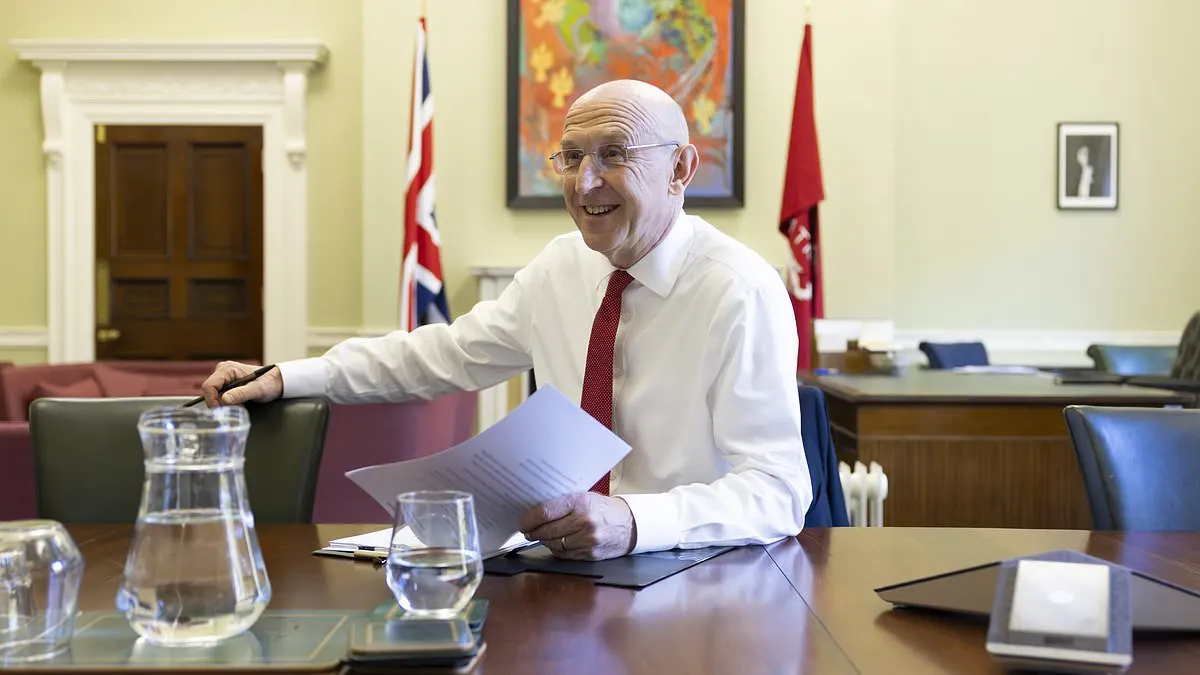
Chancellor John Healey is expected to leave welfare reform out of today’s Budget, while increasing support for people on benefits and low incomes. The decision matters because welfare spending is projected to rise sharply as the Government faces pressure to balance public finances and stick to its fiscal rules.
The article says £5.5 billion is earmarked for a 3.5 per cent rise in benefits paid to 10 million people, with at least £1 billion more expected for winter fuel bill support. Immediate help for other households is expected to be limited, while proposed tariff cuts would save an average of about 40p a week on groceries. Opposition figures and former officials argue that rising sickness benefit costs require reform; official projections put them at £109 billion by the end of the decade, up from £83 billion last year.
In short
- Benefits for 10 million people are expected to rise by 3.5 per cent.
- At least £1 billion more may support winter fuel bills.
- The Budget is expected to omit welfare reform despite projected spending growth.
Steelman: both sides, in good faith
The strongest fair case each way — we don't pick a winner.
The case for
Increasing benefits and winter fuel support can protect people on low incomes from hardship, particularly when living costs remain high and immediate help elsewhere is limited. A rise in sickness-related spending may reflect greater need, and reform should not undermine support for people who are ill or unable to work.
The case against
With welfare spending projected to rise substantially, leaving reform out of the Budget could make it harder to meet fiscal rules or fund other priorities. Advocates of reform argue that tackling the drivers of sickness-benefit growth and supporting people who can work may improve long-term sustainability while preserving help for those who need it most.
Explained simply
The Chancellor is the Government minister responsible for the UK’s finances, including taxes, public spending and the Budget. Benefits are payments that help people with living costs, such as support for those who are out of work, ill or on low incomes.
Welfare reform means changing how those payments are designed or who can receive them. It matters because benefit spending is expected to grow, while the Government has rules limiting how much it can borrow and aims to keep public finances on track.
The debate involves the Government, people who rely on benefits and those who argue the system should change to manage costs. Decisions affect household incomes as well as the amount of public money available for other services.