Chancellor urged to impose ‘wealth tax’ and massive levies on homes in London and South East as think-tank says pensioners must bail out Government
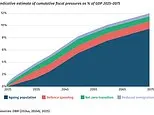
The IPPR, a think-tank closely aligned with Labour, is urging Chancellor Rachel Reeves's team, led by John Healey, to hit pensioners and property owners with new taxes ahead of the Budget on 28 October, rather than raising levies on younger workers. The report argues that Britain's ageing population is placing unsustainable pressure on public finances, and that the current system unfairly burdens young earners while shielding older generations who have benefited from decades of rising property and asset wealth. It comes as Labour MPs push for revenue-raising measures over spending cuts, with the tax burden already climbing towards a record high.
Key proposals include replacing council tax and stamp duty with a proportional property tax of 0.65 per cent annually, which would hit homeowners in London and the South East hardest, alongside extending national insurance to workers above state pension age and raising capital gains tax to match income tax rates. The report highlights a stark gap between an older worker earning £70,000 (facing a 40 per cent tax rate) and a graduate on the same income repaying a student loan (facing 51 per cent). The IPPR notes the over-65 population will rise from 18 per cent in 2024 to 27 per cent by 2075, while Capital Economics has predicted Budget tax rises of up to £25billion.
- IPPR think-tank urges taxing pensioners and property, not young workers
- Proposes 0.65% annual property tax replacing council tax and stamp duty
- Comes ahead of Chancellor's Budget on 28 October amid tax rise speculation
New here? Start with this
The IPPR is a research organisation that publishes proposals on public policy. Its report focuses on how an ageing population may affect government finances, and argues that the tax system places a heavier burden on younger workers than on many older people with homes and other assets.
Rachel Reeves is the Chancellor, responsible for the Treasury and tax policy; John Healey leads the team mentioned in the report. The proposals include replacing council tax and stamp duty with an annual tax based on a home’s value, charging National Insurance on earnings after state pension age, and increasing tax on profits from selling assets.
The debate matters because choices about raising money affect different generations and parts of the country in different ways. A home-value tax could mean larger bills for some owners in London and the South East, while changes to taxes on earnings and assets would affect people differently according to their age, income and wealth.
Both sides, in good faith
The strongest fair case each way — we don't pick a winner.
The case for
These proposals address a genuine intergenerational imbalance whereby younger workers face combined tax and student loan repayment rates of 51 per cent whilst older generations have benefited from decades of rising property wealth with substantially lighter tax burdens. With the over-65 population projected to rise from 18 to 27 per cent by 2075, the current system is becoming fiscally unsustainable, leaving young people to shoulder disproportionate burdens that threaten economic dynamism. A proportional property tax is more efficient and fairer than the current patchwork of stamp duty and council tax, ensuring those with accumulated wealth contribute appropriately to maintaining public services that sustain everyone.
The case against
Pensioners have already paid taxes throughout their working lives and should not face additional levies in retirement, particularly those on fixed incomes for whom new property taxes represent genuine hardship. Much residential wealth, especially in London and the South East, represents inherited homes and modest family assets rather than speculative gains, making steep property taxation feel punitive rather than genuinely addressing wealth inequality. The real challenge is public spending efficiency and economic growth; raising taxes during economic uncertainty risks dampening investment, destabilising the housing market, and penalising responsible savers rather than incentivising the productive economy the Government claims to champion.