Politics news and discussion on TalkFuse.
Chaos among the five armed forces operating in Haiti increases risk to the civilian population: ‘It’s an orchestra without a conductor’
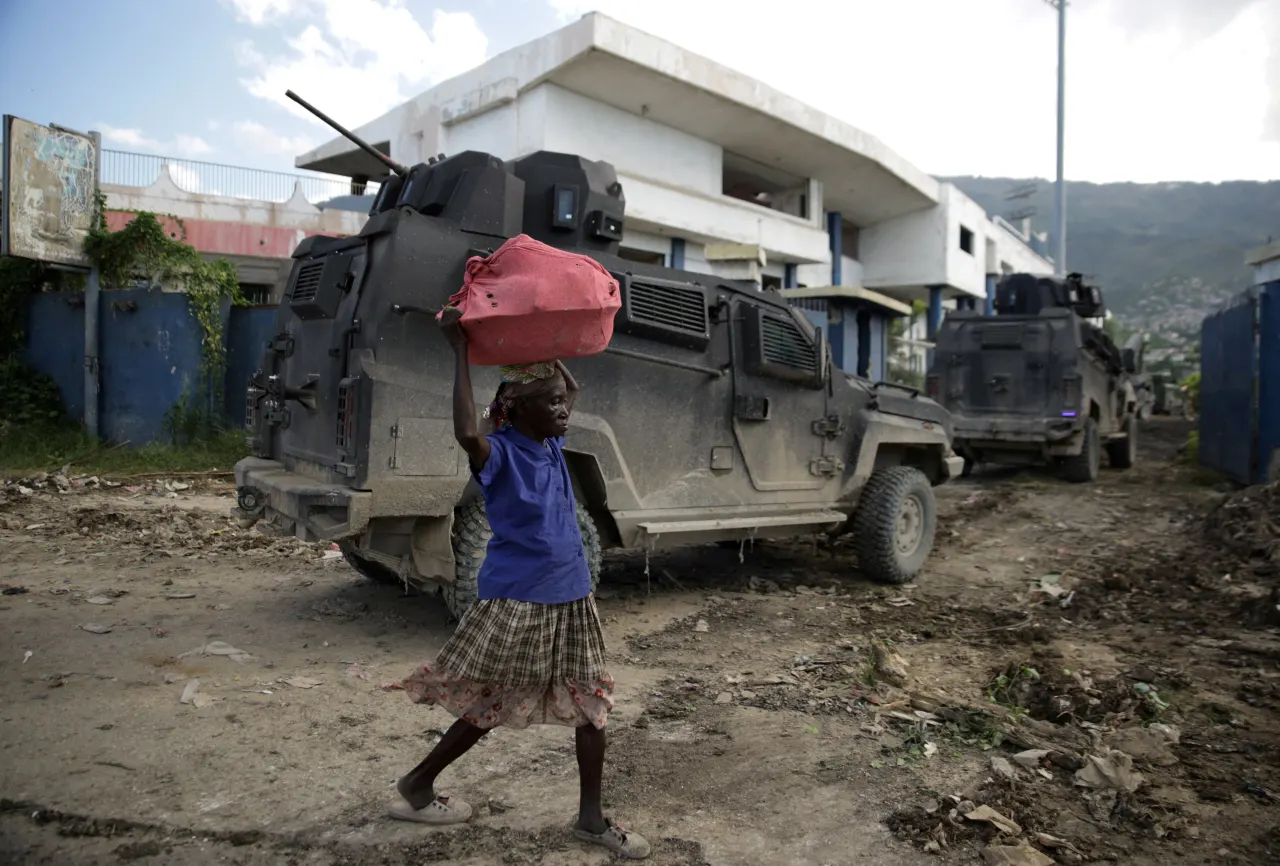
Haiti’s security response is becoming more fragmented after El Salvador sent 2,000 soldiers, raising concerns that poor coordination among five armed forces could put civilians at greater risk. The deployment has the approval of Prime Minister Alix Didier Fils-Aimé, but its terms and who will oversee the troops have not been made public.
The forces include Haiti’s police and armed forces, a task force linked to US security firm Vectus Global, the UN-led Gang Suppression Force and the Salvadoran contingent, which answers to President Nayib Bukele. A proposed de-escalation office aims to coordinate their work and prevent clashes, while activists and rights groups have raised concerns about Bukele’s record and the prospect of applying his security model in Haiti.
In short
- El Salvador has sent 2,000 troops to Haiti.
- Five forces are operating with limited coordination.
- Haiti plans an office to coordinate their efforts.
Steelman: both sides, in good faith
The strongest fair case each way — we don't pick a winner.
The case for
Supporters could argue that Haiti’s urgent security crisis requires additional personnel and that El Salvador’s deployment may help confront armed groups while Haitian institutions remain under severe strain. With clear authority and effective coordination, the proposed de-escalation office could reduce clashes between forces and improve civilian protection.
The case against
Critics could argue that adding a large contingent without publicly stated terms or clear oversight risks deepening an already fragmented response, making clashes and harm to civilians more likely. They may also question whether a security model associated with rights concerns in El Salvador is appropriate for Haiti, and stress that outside forces need transparent safeguards and accountability.
Explained simply
Haiti has faced a prolonged security crisis, with armed gangs challenging the authorities and putting residents at risk. The country’s police and armed forces are part of the response, alongside international support.
Several other groups are now involved, including a United Nations-backed force, a task force linked to US security firm Vectus Global, and soldiers from El Salvador. The Salvadoran troops answer to President Nayib Bukele; the public terms of their deployment and who will oversee them in Haiti have not been disclosed.
A proposed de-escalation office is intended to help these forces coordinate and avoid clashes. The issue matters because confusion over who is responsible for operations can affect civilians, while rights groups have questioned whether El Salvador’s approach to security is suitable for Haiti.