Culture news and discussion on TalkFuse.
Chaos continues at UK airport as runway defect sees flights cancelled or diverted with homecoming Brits forced to land hundreds of miles from home
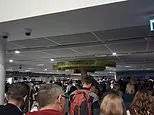
A runway defect at Bristol Airport forced the closure of the site on Friday night, causing widespread disruption as flights were cancelled or diverted to airports hundreds of miles away. Although operations resumed at 8am on Saturday, the airport warned that knock-on delays would continue throughout the day, leaving many returning holidaymakers facing long and costly journeys to get home.
Passengers described chaotic scenes, with hundreds stranded in crowds at departure gates and little communication from staff, including over an hour without tannoy announcements. One passenger, Dave Blackwell, landed 246 miles away in Newcastle after flying from Rhodes and faced a five-to-six-hour bus journey home, while other flights were sent to Bournemouth, Birmingham and Cardiff. Furious travellers took to social media to criticise EasyJet and the airport over poor communication, with some reporting being locked in terminal areas and left without hotel arrangements. Bristol Airport apologised for the inconvenience, saying essential runway repairs had been necessary and directed passengers to contact their airlines for flight queries.
In short
- Bristol Airport runway defect forced closure and mass flight disruption
- Diverted flights sent passengers to Newcastle, Cardiff, Birmingham and Bournemouth
- Passengers reported poor communication and long, costly journeys home
Steelman: both sides, in good faith
The strongest fair case each way — we don't pick a winner.
The case for
The runway defect required immediate closure for safety reasons, which was the airport's paramount obligation. The closure caused inevitable disruption, but the airport acted swiftly to conduct essential repairs and resumed operations the following morning, prioritising flight safety over convenience. In emergency operational situations, some passenger inconvenience is unavoidable; the airport fulfilled its core responsibility and directed passengers to their airlines for rebooking support.
The case against
Whilst runway repairs were necessary, the airport's response reflected a fundamental failure in passenger care. Extended periods without communication, passengers locked in terminals without information or support, and lack of coordination with airlines over accommodation represent inadequate duty of care regardless of operational circumstances. Emergency situations do not excuse abandoning basic communication and passenger welfare protocols; reasonable contingency planning should ensure passengers remain informed and supported even during crises.
Explained simply
Bristol Airport serves the city and surrounding parts of south-west England, and many holidaymakers use it for trips abroad. If its runway cannot be used safely, arriving and departing aircraft may have to wait, be cancelled or land at another airport.
Airlines decide where to divert flights and arrange onward travel for passengers, while the airport manages its terminal and runway. Disruption can affect many journeys at once because aircraft and crews may be out of position for later flights.
For passengers, a diversion can mean a long journey by road or rail, extra costs and uncertainty about where to get help. Clear updates from airlines and the airport are important so people can make plans and understand what support is available.
Art Culture Fashion Travel UK World