You’ve hit your weekly limit · resets Jul 25, 11pm (Europe/London)
Developed over time first seen 2 months ago
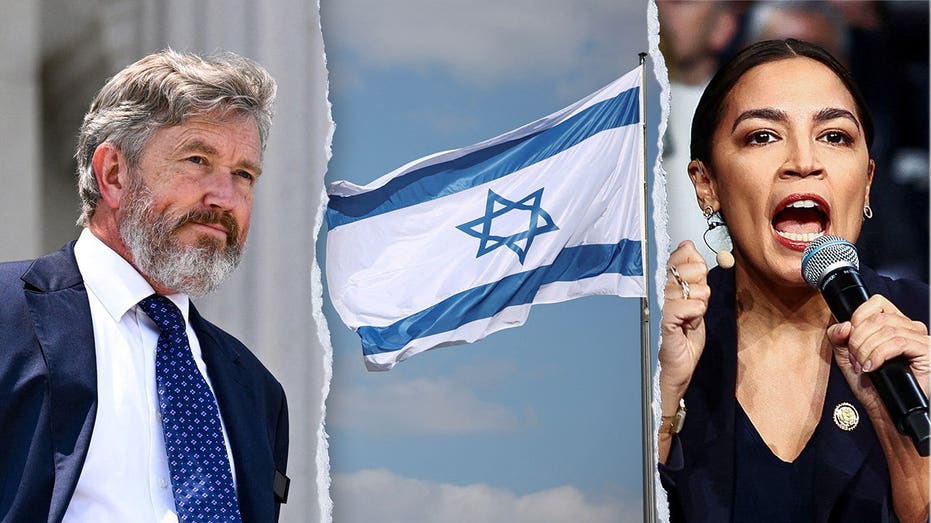
The House passed its $1.15 trillion annual defence bill despite a bipartisan dispute over a proposed Israel-related provision. The vote matters because it highlights divisions in Congress over US military support for Israel and how lawmakers should address antisemitism and Middle East security.
Republican Representative Thomas Massie’s amendment prompted particular debate, with Democrats including House Minority Leader Hakeem Jeffries arguing that limiting assistance could weaken US national security and benefit Hamas and Hezbollah. The article describes the measure as part of the annual National Defense Authorization Act, which sets defence policy and authorisations rather than directly appropriating all spending.
- House passes $1.15 trillion defence bill amid Israel policy dispute
- Massie amendment triggered bipartisan criticism
- Opponents warned of risks to US and Israeli security
New here? Start with this
The National Defense Authorization Act, or NDAA, is an annual US law that sets budgets and policy for the Pentagon and the wider military. Passed every year by Congress, it is often used by lawmakers to attach amendments on unrelated foreign policy or domestic issues, since it is considered must-pass legislation. This year's version, worth $1.15 trillion, became the focus of a heated debate over a provision relating to Israel.
The dispute centred on an amendment put forward by Republican Representative Thomas Massie of Kentucky, which sought to limit US assistance to Israel. This drew strong opposition from figures including House Minority Leader Hakeem Jeffries, who argued it could weaken US national security by benefiting groups such as Hamas and Hezbollah, revealing splits within the Democratic Party as well as between the parties. The disagreement grew heated enough that one lawmaker was heard telling colleagues to stop "stoking Jew hatred", illustrating how personal and fraught the exchange became.
The row reflects a broader and ongoing debate in Washington about the scale and conditions of US support for Israel, a topic that has become increasingly contentious amid the continuing conflict in the Middle East. Because the NDAA is a major piece of annual legislation that shapes US defence spending and priorities, disputes over amendments attached to it can carry significant political weight, even when the underlying bill ultimately passes.
Both sides, in good faith
The strongest fair case each way — we don't pick a winner.
The case for
Supporters of curbing or conditioning US assistance to Israel argue that Congress has a constitutional duty to scrutinise how taxpayer-funded weapons are used, particularly amid mounting civilian casualties in Gaza and concerns about international humanitarian law. They contend that unconditional military aid removes any American leverage to encourage restraint or a negotiated settlement, and that fiscal conservatives in particular see value in questioning open-ended foreign commitments within a defence budget of this scale. For these advocates, this is a matter of principled oversight and non-interventionist caution rather than hostility towards Israel or its people.
The case against
Opponents of the amendment argue that Israel remains a vital democratic ally in a volatile region and that reducing support at this juncture would weaken a key partner while emboldening adversaries such as Hamas and Hezbollah, with knock-on risks for broader US security interests. They emphasise the deep, longstanding bipartisan commitment to Israel's defence and worry that framing the debate around curbing aid, especially amid heightened rhetoric, risks legitimising or fuelling antisemitic sentiment even when that is not the intention of individual lawmakers. For these advocates, maintaining robust support reflects both strategic necessity and a moral commitment to a besieged ally.
More coverage
Read the full article at the source →
Originally published by Fox News as “Chaos erupts as House passes $1.15T defense bill with Israel provision: ‘Stop stoking Jew hatred’”.