World news and discussion on TalkFuse.
Chaos in London as huge anti-WW3 protest erupts with fights breaking out
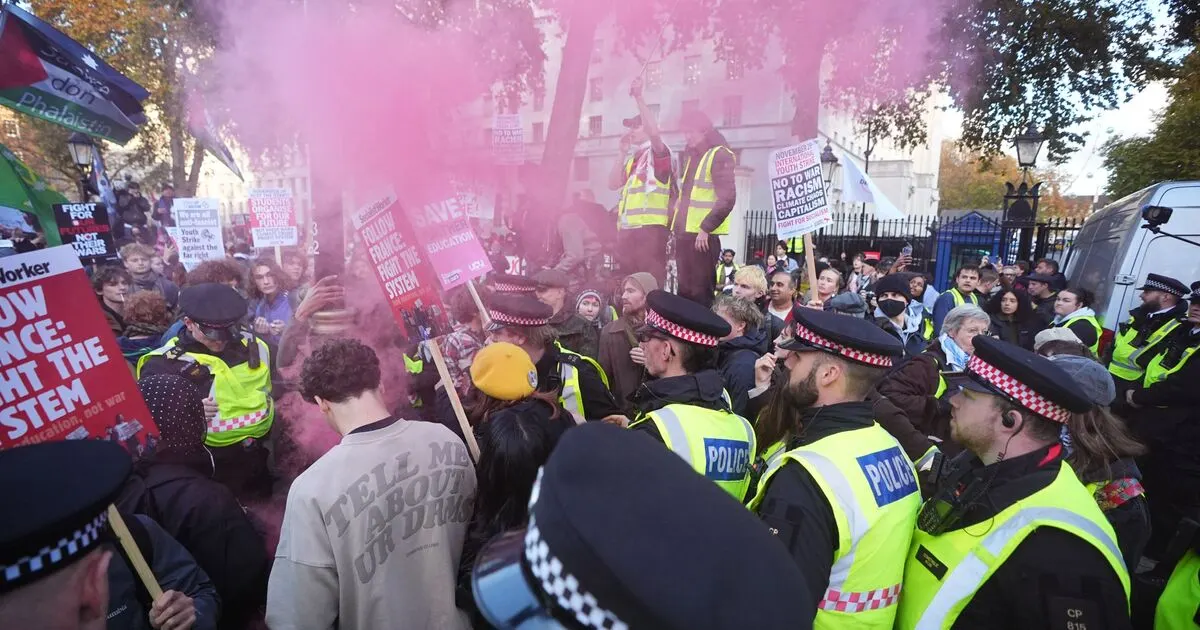
Ten people were arrested after anti-war protesters and counter-demonstrators clashed in central London on Friday 20 November. Police imposed public order conditions to keep opposing groups apart, and the incident formed part of a co-ordinated youth protest against war taking place across Europe.
The Metropolitan Police said the arrests included allegations of assaulting emergency workers, common assault and offences under the Public Order Act; all ten remained in custody. Organisers said rallies were planned in about 400 cities across more than 25 countries, with around 1,000 people reported at a Trafalgar Square rally. Demonstrators also called for action on education and climate change, while protests took place in UK cities including Birmingham and Edinburgh.
In short
- Ten people were arrested after clashes in central London.
- Police separated protesters and counter-demonstrators.
- Youth rallies were planned across more than 25 countries.
Steelman: both sides, in good faith
The strongest fair case each way — we don't pick a winner.
The case for
Supporters argue that public protest is a legitimate way for young people to oppose war and press governments to address its human costs, alongside concerns about education and climate change. Coordinated rallies across many countries can make those concerns visible and give people a peaceful way to influence public debate.
The case against
Critics argue that demonstrations lose public trust when clashes occur or emergency workers are allegedly assaulted, and that police need to impose conditions to protect participants and bystanders. They may also contend that broad protest demands are less persuasive when several issues are combined, or when confrontational tactics overshadow the case against war.
Explained simply
Anti-war protests bring people together to oppose armed conflict and call for governments to pursue peaceful solutions. Demonstrations can also include calls for action on related issues, such as education and climate change.
The protests involved two groups: demonstrators opposing war and counter-demonstrators who came to oppose or challenge them. Police are responsible for managing public gatherings and may set conditions to keep groups apart when there is a risk of disorder.
The protests were part of a wider youth-led effort, with rallies planned in cities across Europe and beyond. Their scale matters because it shows how young people are organising across borders to make their views heard on war and other public issues.