CHAOS INC.: Communists, Antifa, agitators in the red-green alliance
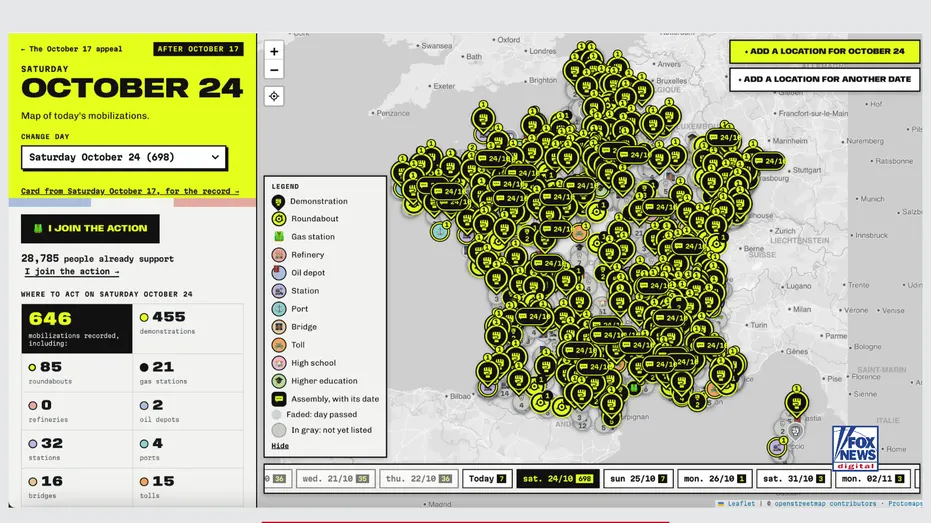
The article introduces a database mapping organisations involved in or connected to protest movements, with an initial focus on France. It aims to show how local groups and chapters relate to wider national and international networks, and to distinguish direct organisers and participants from groups that support or amplify protests.
The France directory lists 287 groups across nine broad categories. These include 50 anti-fascist groups, 27 student or youth groups, 27 communist, socialist or Trotskyist groups, and 24 labour unions; the largest category, other civic or activist groups, contains 100. The database is described as a continuously updated resource.
In short
- A new directory maps organisations in France’s protest ecosystem.
- It categorises 287 groups by their stated roles and affiliations.
- The database is intended to expand as networks emerge.
Steelman: both sides, in good faith
The strongest fair case each way — we don't pick a winner.
The case for
Mapping protest organisations can help readers understand how local groups relate to national and international networks, and distinguish direct organisers from groups that offer support or amplify events. A continuously updated directory may improve transparency and public scrutiny, particularly when it applies clear, consistent categories across a large number of groups.
The case against
A database that groups organisations under politically charged labels such as “communists” and “Antifa” may encourage readers to treat varied groups as a single alliance, even when their roles and aims differ. If connections or categories are unclear, incomplete or insufficiently checked, the directory could mislead readers and unfairly cast legitimate civic and protest activity as coordinated or suspect.
Explained simply
The database is a directory of organisations linked to protest movements, beginning with groups in France. It maps how local branches connect to national and international networks.
It lists 287 groups in nine broad categories, including anti-fascist organisations, student groups, left-wing political groups, trade unions and other civic or activist groups. The directory also aims to distinguish groups that organise or take part in protests from those that support or publicise them.
Such directories can help readers understand the range of organisations around a protest and how they are connected. The listed groups span different kinds of organisations, so inclusion alone does not show that they share the same aims or role.