ChatGPT on Mac can now read and respond to Apple iMessages
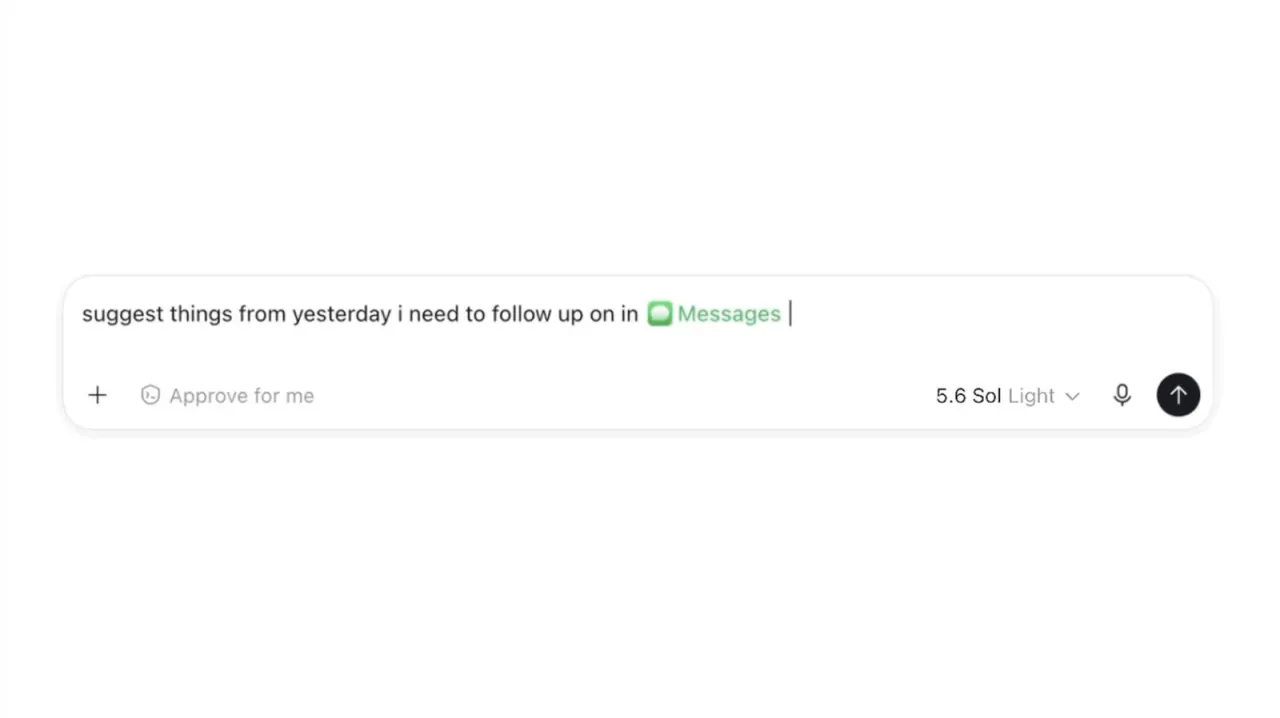
OpenAI has released a ChatGPT plugin that lets Mac users read and reply to Apple iMessages directly from the chatbot, a move that Bloomberg suggests could raise privacy and security concerns. The feature is currently limited to ChatGPT Work and Codex users, and lets the assistant search a person's Messages history, then draft and send replies on their behalf. It arrives at an awkward moment given Apple's history of restricting third-party access to iMessage and its ongoing legal dispute with OpenAI.
To enable the plugin, users must grant ChatGPT access to their Mac's on-device Messages history, give the app Full Disk Access via System Settings, and allow it to see contact names and use automation tools, meaning the integration cannot be switched on accidentally. It remains unclear whether OpenAI collaborated with Apple on the plugin; Apple previously blocked the Beeper Mini app's access to iMessage in 2024. Tensions between the two firms have also grown since Apple sued OpenAI in July, alleging trade secret theft through the poaching of its staff.
- OpenAI's ChatGPT plugin can now read and send Mac iMessages
- Limited to ChatGPT Work and Codex users; requires several opt-in permissions
- Launch comes amid Apple's ongoing trade secret lawsuit against OpenAI
New here? Start with this
OpenAI's ChatGPT now has a plugin, available to some business users, that can read a Mac user's Apple iMessages and draft or send replies on their behalf. Enabling it requires the user to manually grant several permissions on their computer, including deep access to their message history, so it cannot happen without deliberate action.
The launch is notable partly because of the relationship between the two companies involved. Apple has historically restricted outside apps from accessing iMessage, once blocking a rival messaging app called Beeper Mini from doing something similar, and it is currently suing OpenAI, accusing the firm of stealing trade secrets by hiring away its staff.
The story matters because it touches on how much access AI chatbots should have to people's private messages, and raises questions about data privacy and security when a third-party tool can read and act on personal conversations. It also highlights the wider rivalry between Apple and OpenAI as both compete in the AI space.
Both sides, in good faith
The strongest fair case each way — we don't pick a winner.
The case for
Proponents of the integration argue that users, not platform owners, should decide which trusted tools can access their own data, and that a well-designed AI assistant able to read and draft iMessages could meaningfully save time for busy professionals managing high message volumes. They point out that the permissions required, such as Full Disk Access and explicit automation approval, are deliberately onerous precisely so that consent is informed and intentional rather than accidental. From this perspective, competition and interoperability between AI assistants and established messaging platforms ultimately benefits consumers, and Apple's history of restricting third-party access can be seen as protecting its own ecosystem advantage as much as protecting users.
The case against
Critics worry that granting any third-party application deep access to a person's private message history, including messages from others who never consented to AI involvement, creates meaningful privacy and security risk, particularly given ChatGPT's ability to send messages autonomously on a user's behalf. They note the timing is troubling: this arrives amid active litigation between Apple and OpenAI, and without clear confirmation that Apple sanctioned or reviewed the integration, raising questions about whether Apple's usual security vetting for iMessage access has been properly applied. Given Apple's stated commitment to on-device privacy and its past blocking of similar third-party iMessage tools like Beeper Mini, sceptics argue that iMessage's security model was not designed with this kind of broad AI data access in mind, and that caution is warranted until the implications are better understood.