Video games news, releases, esports and culture — all the biggest gaming stories in one place.
ChatTJB is a fake chatbot where a guy called Tucker Bryant answers queries himself: ‘I tend to overcommit to bits’
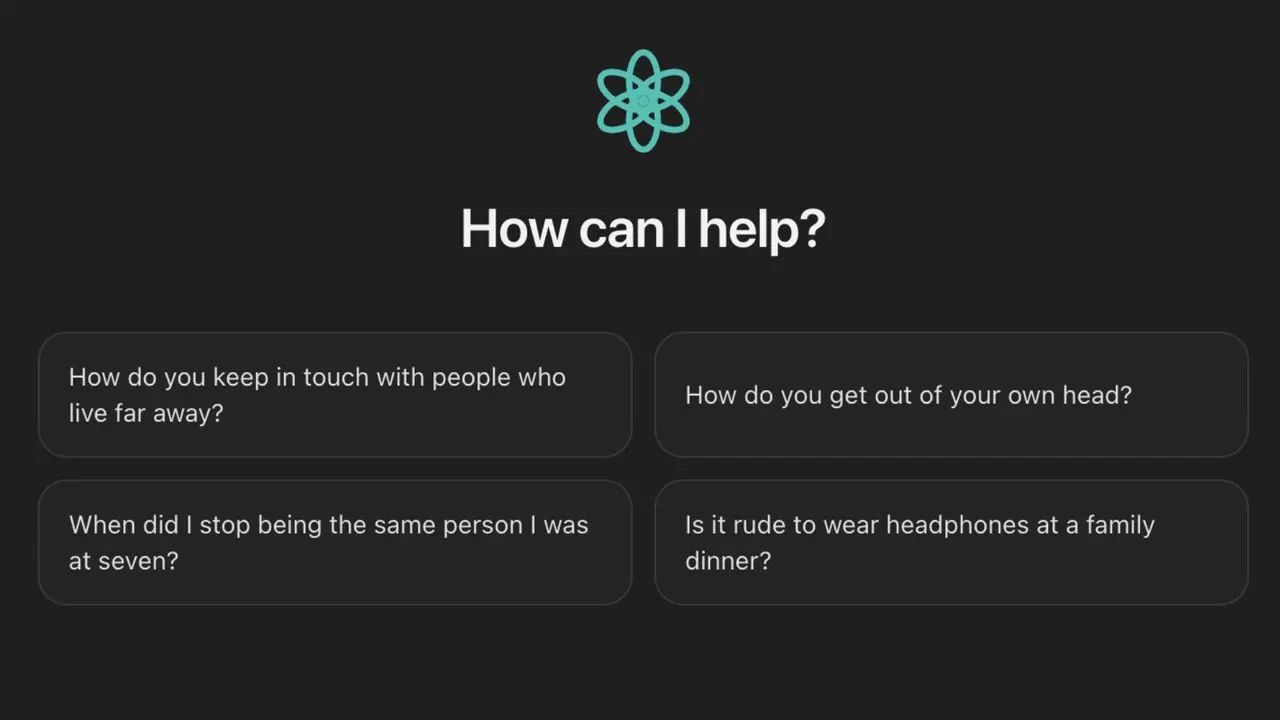
Tucker Bryant has created ChatTJB, a deliberately fake chatbot that appears to answer users’ questions but is actually operated manually by Bryant himself. The project is presented as an extended comic commitment rather than an artificial-intelligence system, highlighting the appeal of human intervention behind automated-looking online services.
Bryant describes himself as someone who tends to “overcommit to bits”, suggesting the chatbot is part performance and part experiment. The article focuses on the contrast between the chatbot’s AI-style presentation and the fact that its replies come directly from one person.
In short
- ChatTJB is operated manually by Tucker Bryant.
- It imitates an AI chatbot.
- Bryant frames it as an elaborate joke.
Steelman: both sides, in good faith
The strongest fair case each way — we don't pick a winner.
The case for
This is a clever and transparent form of performance art that makes a genuinely interesting point about our assumptions regarding technology and automation. The project explicitly declares itself as fake, so there is no actual deception; the humour emerges from the contrast between what users expect and what they encounter, prompting valuable reflection on how we relate to AI and automated systems.
The case against
Even when explicitly disclosed, presenting human labour as automated service remains ethically problematic because it exploits user expectations of convenience whilst delivering neither, and framing this as performance art doesn't justify deliberately misleading interactions. The project risks eroding public understanding of AI by normalising the idea that deception in user interaction is acceptable if presented as humour, potentially undermining broader trust in technology.
Explained simply
Chatbots are online tools that respond to questions in a conversational style. Many use artificial intelligence to generate replies, which can make it hard to tell whether a person or a computer is answering.
Tucker Bryant’s ChatTJB is a performance built around that uncertainty: it looks like an automated service, but Bryant types the answers himself. The idea plays on how people interact with online tools and how much of their apparent automation may depend on human effort.