Science news and discussion on TalkFuse.
Chernobyl’s Dogs May Be Evolving, but Scientists Don’t Know Why
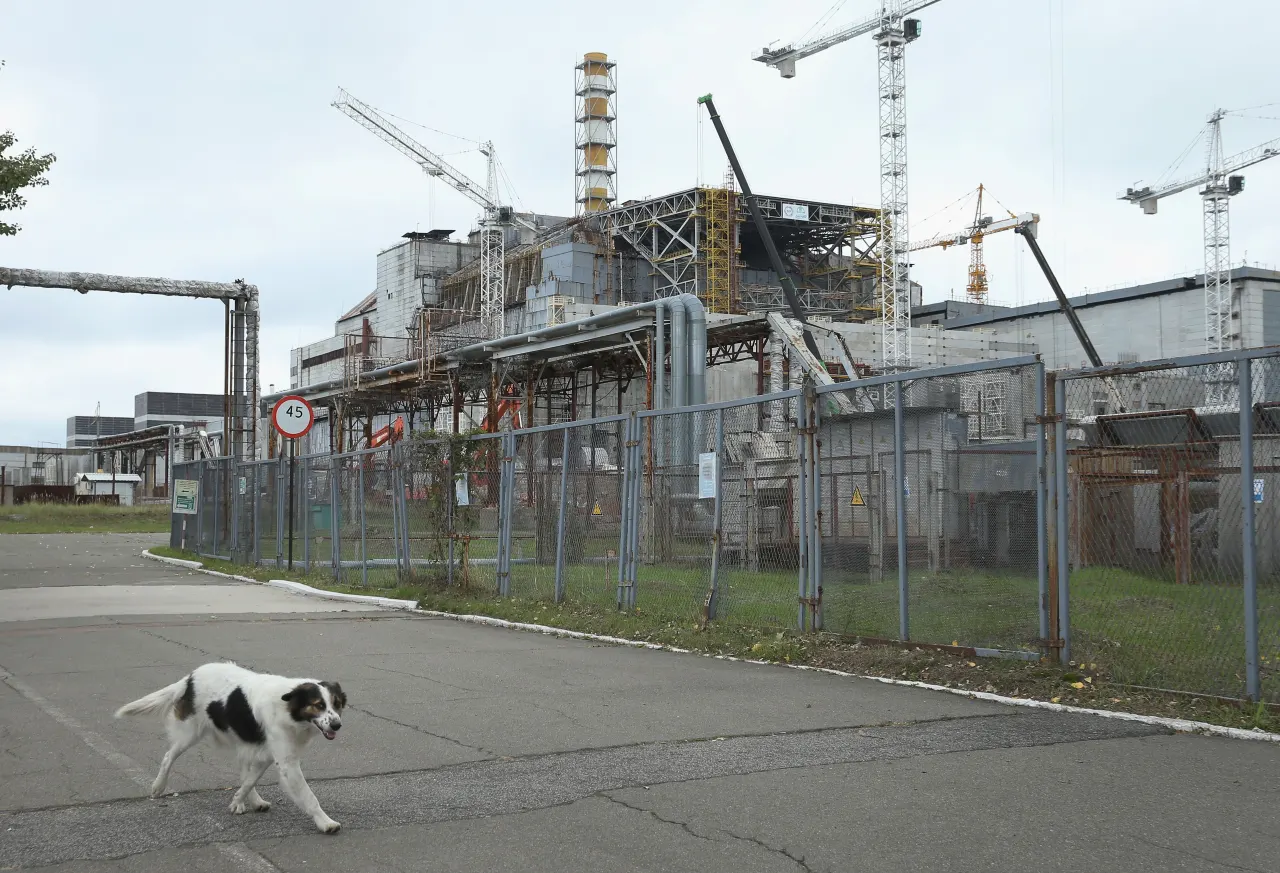
Researchers have found evidence that natural selection, rather than random genetic change alone, may have shaped the dogs living near the Chernobyl nuclear plant. The result matters because it suggests the population’s genetic make-up has changed, but it does not show that radiation caused the changes or that the dogs have adapted to it.
A recent study compared dogs near the plant with dogs in Chernobyl city, about 16 kilometres away, and with other dog populations worldwide. The two local groups were strikingly different; some regions under strong selective pressure were linked to DNA repair, immunity and cell survival. The variants may have already existed and become more common over roughly 40 years, but researchers cannot identify which pressures favoured them: radiation, harsh weather and other pollutants may all have played a role, and there are no samples from 1986 to trace the changes over time.
In short
- Dogs near the Chernobyl plant show signs of natural selection.
- Some selected genetic regions relate to DNA repair and immunity.
- The causes remain unclear, with no historical samples for comparison.
Explained simply
The Chernobyl nuclear plant in Ukraine was the site of a major accident in 1986, which released radioactive material into the surrounding area. Dogs still live near the plant and in nearby Chernobyl city, around 16 kilometres away.
Researchers have compared the DNA of dogs from these two places with that of other dog populations. They found clear genetic differences between the local groups, including changes in parts of the DNA linked to repairing cells and responding to illness.
These findings may help explain how animal populations change over time, but they do not show what caused the differences. Radiation, severe weather and other pollutants are possible influences, and there are no dog samples from 1986 to show when the changes occurred.