Chicago-Area Cops Helped HSI Spy on Minnesota Anti-ICE Activists
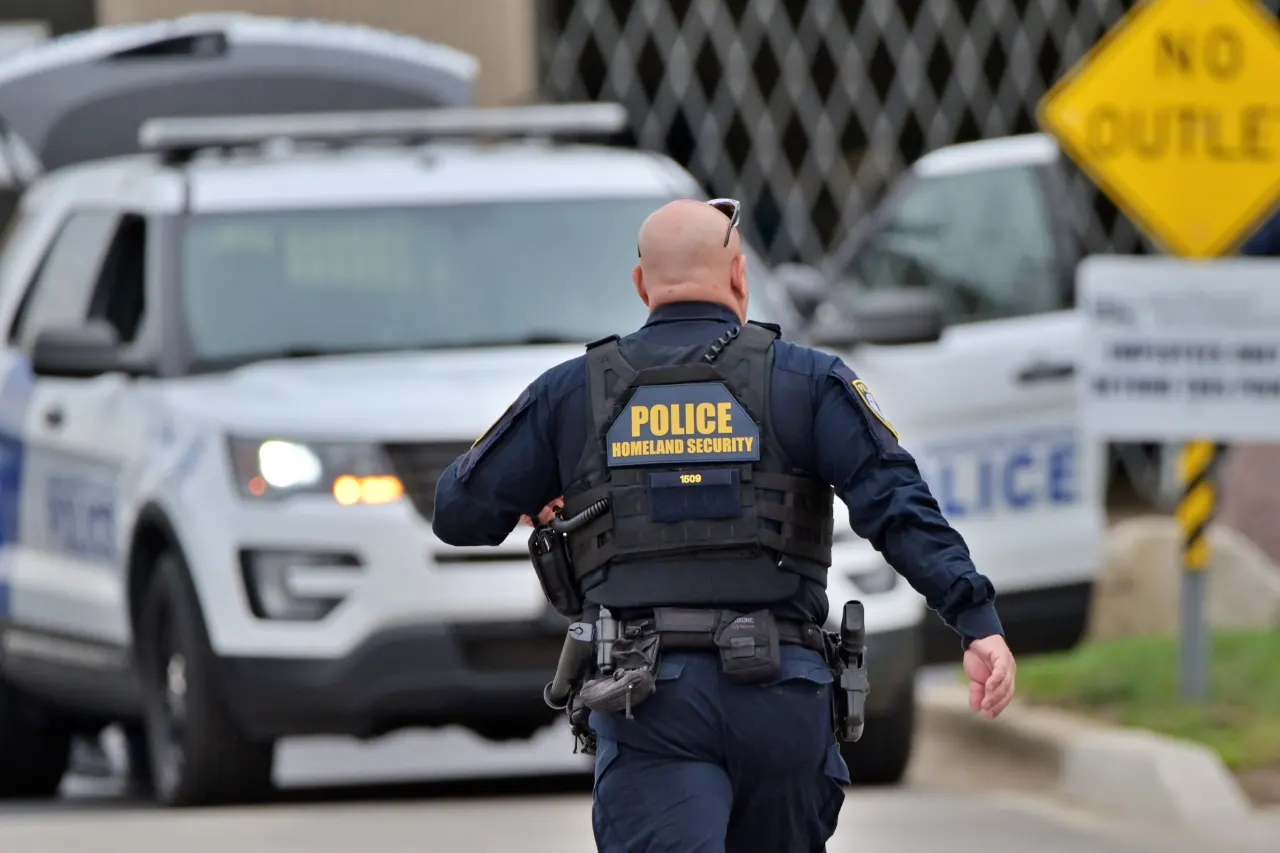
Newly released records say a Chicago-area law enforcement task force helped Homeland Security Investigations monitor a Minneapolis anti-ICE organising network as part of a federal conspiracy investigation into 15 Minnesota activists. The surveillance of a Chicago event raises questions about local police cooperation with federal authorities and how rules governing surveillance of public gatherings apply to joint investigations.
The HSI Chicago task force included eight federal agents and six local officers from Chicago and nearby jurisdictions. Records describe two undercover agents, electronic surveillance, audio recordings, licence-plate-reader data and CCTV footage used to identify attendees and link them to protests. Chicago police said the operation concerned criminal enforcement, not immigration enforcement, and no required First Amendment notifications were made; the report mentions a GoFundMe for a speaking tour but no fundraising at the event.
- Chicago-area officers helped HSI surveil an anti-ICE event.
- The task force had 14 officers, including six local police.
- The operation raises questions about protest surveillance rules.
Both sides, in good faith
The strongest fair case each way — we don't pick a winner.
The case for
Local officers can reasonably argue that sharing investigative resources with federal agents helps identify and investigate suspected criminal conspiracies, especially when people or activities cross jurisdictional boundaries. They may regard surveillance in public places and the use of established tools such as CCTV or licence-plate data as legitimate when tied to a criminal inquiry, provided it follows applicable law and oversight.
The case against
Critics can reasonably argue that extensive surveillance of an organising event risks chilling lawful protest and association, particularly when authorities gather recordings and identifying data about attendees. The lack of required First Amendment notifications, alongside the report’s account of no fundraising at the event, raises concerns that broad investigative methods could burden protected political activity without clear necessity or safeguards.