Chicago Sky owner opens up on Enes Kanter Freedom ejection, makes analogy to shooting a gun
Developed over time first seen 2 months ago
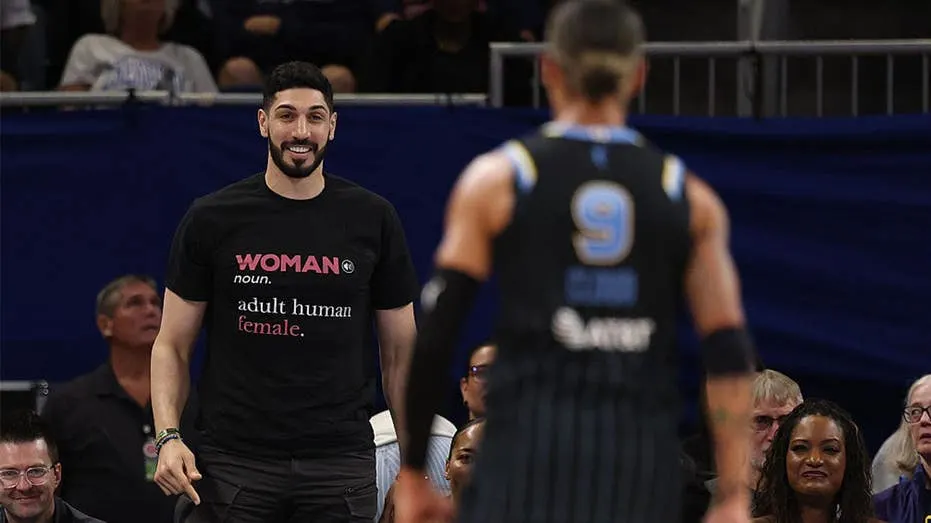
Chicago Sky principal owner Michael Alter defended the decision to eject and ban former NBA player Enes Kanter Freedom from Wintrust Arena during a game against the Indiana Fever. Alter said Freedom became a potential threat when he moved towards the court, arguing that some conduct does not merit a prior warning; the dispute matters because Freedom has challenged the ban and raised concerns about how he was treated.
Alter compared the lack of warning to responding to someone shooting a gun, while acknowledging he did not know whether Freedom actually stepped onto the court. Video reportedly shows Freedom moving towards the court before security stopped him, and WNBA rules allow immediate ejection for attempted court entry. Freedom says the incident began after an exchange with Sky player Natasha Cloud, but Alter said witnesses told him Freedom initiated basketball-related trash talk and that the team found no rule breach by Cloud.
- Sky owner defends Enes Kanter Freedom’s ejection and arena ban.
- Alter says moving towards the court made Freedom a potential threat.
- Freedom disputes the account and says he deserved a warning.
New here? Start with this
The Chicago Sky are a team in the Women’s National Basketball Association (WNBA), and Wintrust Arena is their home court. Enes Kanter Freedom is a former NBA player; Natasha Cloud is a Sky player.
The dispute centres on what happened when Freedom moved towards the court during a Sky game against the Indiana Fever. WNBA rules allow officials to eject someone for trying to enter the court, and the team and Freedom have given different accounts of the exchange that came before it.
The case raises questions about how venues handle spectators’ conduct and when security can act without first giving a warning. It also matters to Freedom because he has challenged the ban and questioned how he was treated.
Both sides, in good faith
The strongest fair case each way — we don't pick a winner.
The case for
Alter’s strongest case is that moving towards the court can create an immediate safety risk, so security should be able to intervene before someone crosses the boundary or receives a warning. If video and witness accounts support that Freedom approached the court, and league rules permit ejection for attempted entry, the team could reasonably prioritise players’ and spectators’ safety despite uncertainty about whether he stepped onto it.
The case against
Freedom’s strongest case is that a ban is a serious response and should rest on clear evidence of what he did, especially since Alter acknowledged uncertainty about whether he entered the court. If the incident began with an exchange involving a player and the team relied on disputed witness accounts, Freedom can reasonably seek a fair review of the evidence and question whether immediate ejection and a continuing ban were proportionate.