Technology news and discussion on TalkFuse.
Met volunteer force chief dismissed over intimate images on work phone
Developed over time first seen 2 months ago
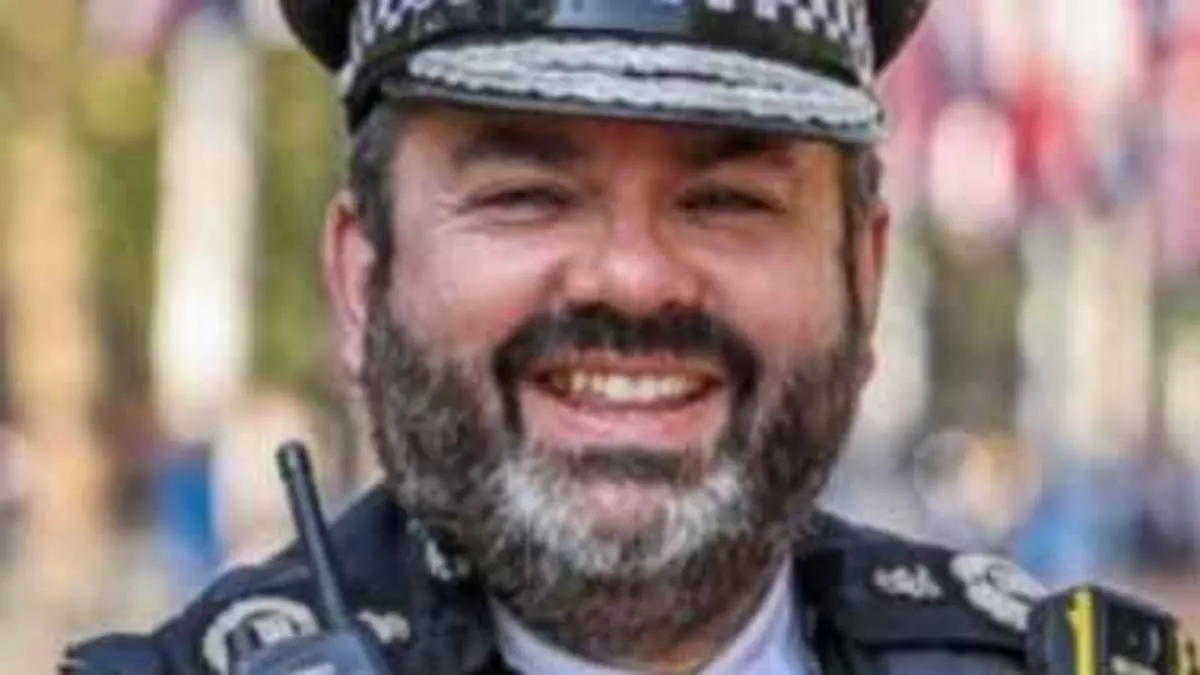
The head of the Metropolitan Police’s volunteer force, James Deller, has been dismissed after a misconduct hearing found he used his work phone to photograph intimate images of a woman. The case highlights how the force is using AI to identify potential misconduct and has prompted scrutiny of its internal standards.
In July and August 2025, Deller photographed images sent to his personal device through WhatsApp’s “View Once” feature, transferred them to his personal phone and deleted them. The conduct was flagged during a week-long operation using Palantir software to analyse police data; the system generated more than 100 misconduct referrals. The Met spent £487,000 on the software, and Deller, who oversaw about 1,200 volunteer officers, will be barred from serving in policing again.
- Sources
- 2
- Outlets
- 1
- Left · Centre · Right
- 0 · 0 · 2
In short
- James Deller was dismissed after using his work phone to copy intimate images.
- AI analysis of police data flagged the conduct.
- He will be barred from serving in policing again.
How this story developed
- 2 months ago The head of the Metropolitan Police’s volunteer force, James Deller, has been dismissed after a misconduct hearing found he used his work phone to photograph intimate images of a woman.
Full account
James Deller, the officer who led the Metropolitan Police’s volunteer constables, has been dismissed after a misconduct hearing found that he used a police-issued phone to make copies of intimate images of a woman. The case emerged from a review of information already held by the force using software supplied by Palantir Technologies.
An accelerated misconduct hearing on Friday found that Deller used his work phone on two occasions, in July and August 2025, to photograph images that had been sent to his personal phone. The images had arrived through WhatsApp’s ‘View Once’ feature, which is designed to make an image unavailable after it has been opened. He sent the photographs from his work phone to his personal device and then deleted them from the police phone.
Deller held the voluntary rank of Special Chief Officer and oversaw the Met’s Special Constabulary, whose members serve alongside regular officers. One report puts the number of volunteers under his leadership at about 1,200. Following his dismissal, he is to be placed on the College of Policing’s barred list, preventing him from serving in policing again.
His conduct was identified during Project Galatasaray, a week-long exercise in which Palantir software analysed Met data for signs of potential misconduct. The exercise generated more than 100 referrals involving officers and staff. The force is pursuing the resulting cases under a wider anti-corruption programme called Operation Artificial. A software referral did not itself establish wrongdoing; Deller’s dismissal followed the misconduct hearing.
Commander Pete Stevens said those who volunteer to keep London safe should be able to expect high standards from their leaders. He said Deller had abused the trust placed in him and had let the Special Constabulary down. The Met said it was reviewing the unit’s future leadership and structure as part of its work on professional standards.
The use of Palantir’s technology has also prompted debate about how police forces monitor their own staff. One report says the Met spent £487,000 on the system. The other describes criticism from the Met Police Federation, which warned against treating ordinary officers as suspects. It also says other referrals have involved allegations including fraud, sexual assault and misconduct in public office, and that two officers have been arrested over separate, unspecified matters. Those allegations are distinct from Deller’s case.
Where outlets differ
From the full account, which is AI-written from the sources:
Source 1 says the monitoring software was introduced ‘last month’, while Source 2 says it was introduced in April. Without publication dates, those descriptions cannot be reconciled.
Only Source 1 gives the figure of about 1,200 volunteer officers, the £487,000 cost and the Met’s review of the Special Constabulary’s leadership and structure.
Only Source 2 says Deller’s case is not being treated as a criminal investigation and reports the Police Federation’s criticism, other allegations arising from the operation and two arrests in separate matters.
Source 2 discusses broader political and commercial disputes involving Palantir; Source 1 concentrates on Deller’s conduct and the Met’s response.
Steelman: both sides, in good faith
The strongest fair case each way — we don't pick a winner.
The case for
This case demonstrates the value of rigorous oversight mechanisms for law enforcement. Deller's conduct—using his work phone to photograph and conceal intimate images of a woman—represented a serious breach of trust by someone overseeing 1,200 volunteers. The Palantir analysis enabled detection of this genuine misconduct that might otherwise have remained hidden, validating investment in accountability systems and advancing the institutional reforms the Met urgently needs.
The case against
The use of Palantir to analyse police data and identify misconduct raises legitimate concerns about workplace surveillance. Whilst Deller's conduct was clearly wrong, a system generating more than 100 referrals requires careful scrutiny about consent, proportionality and democratic oversight. The £487,000 investment proceeded without apparent public debate about safeguards, suggesting such broad surveillance may exceed what is necessary or properly accountable.
Explained simply
The Metropolitan Police's volunteer force comprises around 1,200 volunteer officers who work alongside professional police staff. James Deller was the chief of this volunteer force.
In July and August 2025, Deller used his work phone to photograph intimate images of a woman that had been sent to him via WhatsApp. He transferred these photographs to his personal device and deleted them.
The misconduct was uncovered when the Met used Palantir software to analyse police data and identify potential misconduct. This operation found over 100 misconduct cases across the force. The Met had invested £487,000 in this software.
Coverage · 2 sources
Bias meters
From 2 rated sources.
Read the full article at the source →
Originally published by Daily Mail as “Chief of Met Police’s volunteer force dismissed after AI software flagged him using work phone to capture ‘images of a sexual nature’”.