Culture news and discussion on TalkFuse.
Child review – jump scares abound in twisty organ transplant fable that keeps horror at its heart
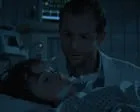
A Luxembourg-made horror film follows a separated couple, Greg and Anne, as they travel to an unnamed Eastern European country to acquire an organ on the black market for their critically ill son Leo, who awaits transplant. When their mission goes catastrophically wrong, they encounter a disfigured antagonist in a scenario that explores themes of first-world guilt about economic inequality between EU member states alongside traditional horror elements.
Directed by Cyrus Neshvad and starring Malik Zidi, Brigitte Urhausen, and Leo Todesco, the film is notable for its subversion of horror narrative conventions and cinematography by Nikos Welter, which deliberately shifts colour palettes as the characters cross the border and uses strategic lighting to signal mounting tension. The production features multiple jump scares and deliberately violates audience expectations about character survival, though the film's vague specification of which organ is being sought remains a minor weakness.
In short
- Luxembourg horror about black-market organ trafficking for a dying child
- Subverts genre conventions with clever narrative structure and striking cinematography
- Multiple jump scares and themes of parental guilt and economic inequality
Explained simply
Child is a horror film from Luxembourg about a separated couple, Greg and Anne, who travel to an unnamed Eastern European country to buy an organ on the black market for their son Leo, who is seriously ill and needs a transplant. Their attempt goes catastrophically wrong when they encounter a mysterious disfigured antagonist, and the situation turns increasingly terrifying.
The film is directed by Cyrus Neshvad and stars Malik Zidi, Brigitte Urhausen, and Leo Todesco. It uses horror conventions including jump scares and unexpected character deaths, whilst also deliberately subverting typical genre expectations through its cinematography and narrative choices.
The film explores economic inequality between wealthy EU countries and Eastern Europe alongside its horror storytelling. It places themes of first-world guilt about this inequality at the centre of a genre thriller, combining moral questions with traditional horror elements.
Art Culture Entertainment Europe Film Horror World