Politics news and discussion on TalkFuse.
Children spending too long on maths app TT Rockstars, MP warns
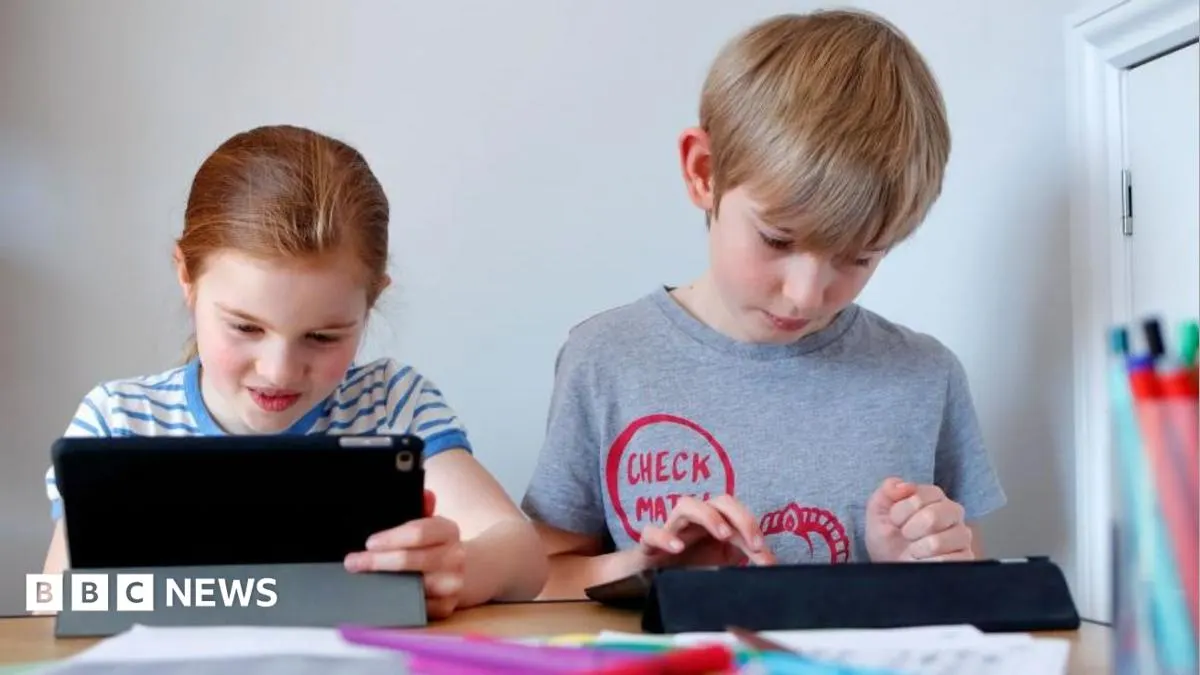
Labour MP Emily Darlington has warned that TT Rockstars and similar educational apps may encourage primary school children to spend too long on screens by rewarding time online and competition with classmates. She raised the concern as Parliament’s Science Committee examines how screen use may affect children’s brain development, amid plans for government guidance on screen time for five to 16-year-olds.
TT Rockstars founder Bruno Reddy said the company discourages long sessions and recommends three minutes, four or five times a week; in September, a typical child played on three days for about six minutes each time. From 24 November, all schools will have a curfew and daily time limit enabled, with leaderboards switched off by default. The app’s parent company says TT Rockstars and Numbots are used in 17,000 schools and more than 100,000 households; ministers and campaigners have also questioned whether classroom technology improves learning.
In short
- An MP says gamified maths apps may encourage excessive screen time.
- TT Rockstars will enable school curfews and daily limits from 24 November.
- Government guidance on screen time for five to 16-year-olds is being developed.
Steelman: both sides, in good faith
The strongest fair case each way — we don't pick a winner.
The case for
Darlington’s concern is that reward systems, timed play and competition can make children want to stay online longer, even when an app is educational. Primary pupils may have limited ability to regulate their screen use, so schools and families should consider whether the learning benefit justifies the time and whether app design encourages healthy habits.
The case against
TT Rockstars is designed to practise times tables, and its founder recommends brief sessions; reported typical use was about six minutes on three days a week. The forthcoming school curfews, daily limits and default-off leaderboards also suggest the company is responding to concerns, while supporters may argue that carefully limited digital practice can help children learn.