Politics news and discussion on TalkFuse.
Children to be taught ‘how to spot misinformation’ in Labour education overhaul
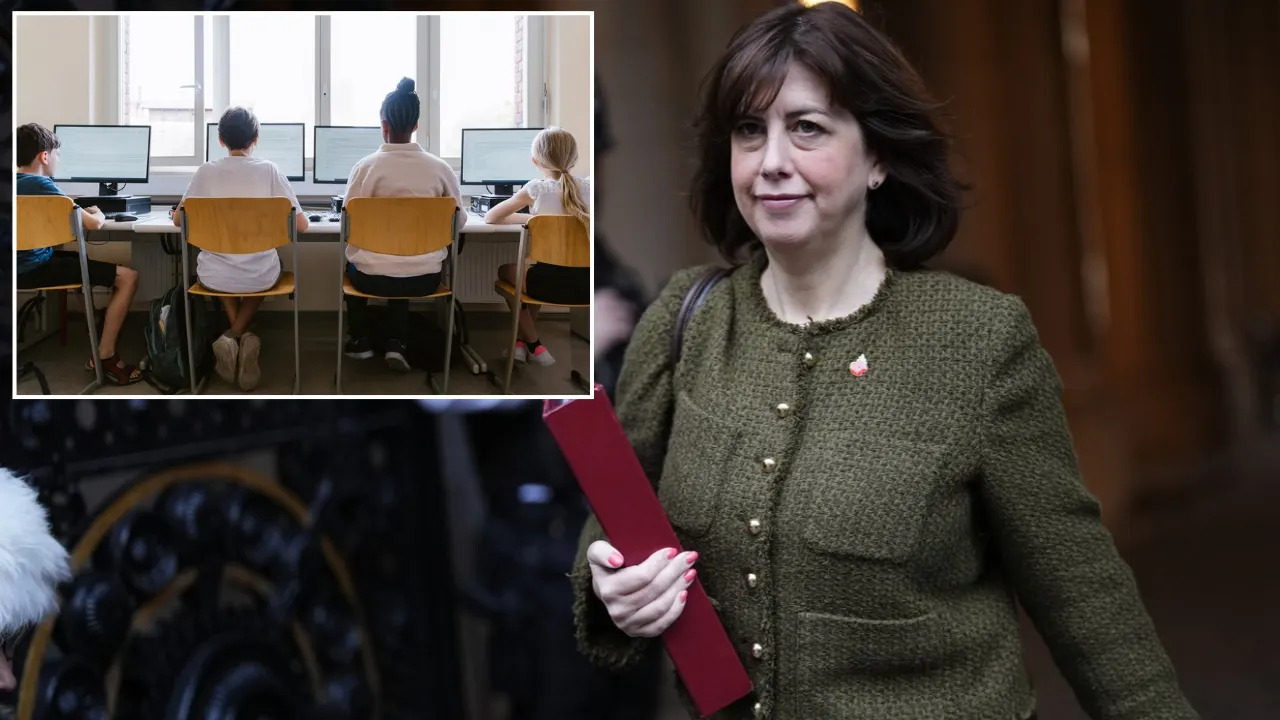
Labour's overhaul of the national curriculum will include lessons on how to spot misinformation, as ministers seek to prepare children for an increasingly digital world. The changes, due to be formally announced on Monday, will introduce compulsory citizenship lessons from primary school, alongside digital and media literacy to help pupils identify bias and misleading content. Pupils will also be taught financial literacy, and an updated computing GCSE will cover data and artificial intelligence.
Education Secretary Lucy Powell said the changes would bring the curriculum up to date with societal change. Other measures include shortening GCSE exams by reducing the number of papers, and slimming down history, geography, French and German to give pupils more time to master content. Shadow education secretary Laura Trott accused Ms Powell of taking a "wrecking ball" to the curriculum, warning that it risks eroding core knowledge, while Reform UK's Suella Braverman said the plans would add pressure on teachers and "dumb down" the curriculum. The overhaul follows a government-backed review led by Professor Becky Francis, published last year.
In short
- Curriculum overhaul adds lessons on spotting misinformation and bias.
- Citizenship becomes compulsory from primary school.
- Opposition says reforms risk core knowledge and add teacher pressure.
Steelman: both sides, in good faith
The strongest fair case each way — we don't pick a winner.
The case for
Supporters argue that a curriculum should reflect the digital world children actually live in, and that teaching pupils to assess bias, identify misleading content and understand data and artificial intelligence is a practical safeguard against manipulation. They also contend that a crowded timetable rewards superficial coverage, so trimming content and reducing the number of GCSE papers gives pupils time to master what they study and eases exam pressure. Financial literacy, they add, equips young people for everyday life in a way the existing curriculum has neglected, and the changes build on an evidence-based review rather than political whim.
The case against
Critics contend that critical thinking depends on a secure body of knowledge, and that pupils cannot judge bias or spot distortion without the historical, geographical and linguistic context that the proposed cuts would reduce. They worry that narrowing history, geography and modern languages weakens cultural understanding and the civic knowledge needed for informed participation in public life. Fewer exam papers, in their view, may reduce the rigour and comparability of assessment, while adding new content without adequate teacher training or time risks increasing workload and undermining the schools' capacity to deliver the changes well.