Young people face greater pressures as youth services funding declines
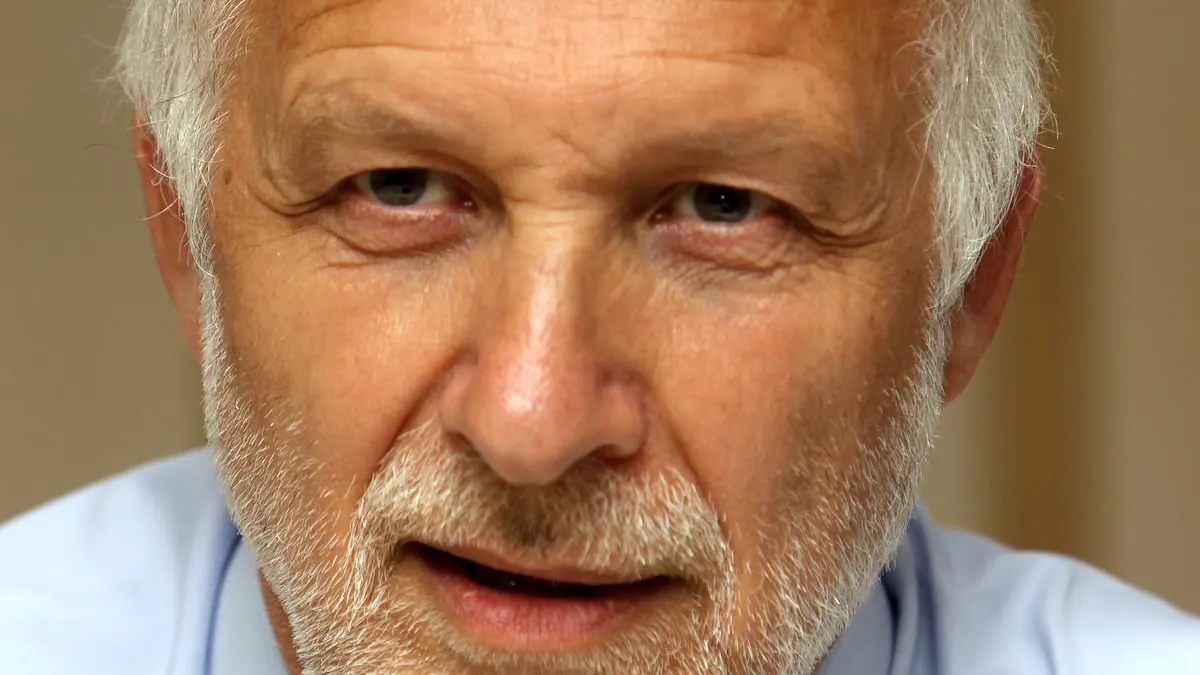
Professor Peter Fonagy told MPs that young people face greater pressures than older generations did, and that calling them “snowflakes” unfairly shifts blame away from adults. He said financial insecurity, limited opportunities and weaker support make it harder for young people to cope, and urged society to encourage them rather than criticise them.
Fonagy cited insecure work, unaffordable housing and constant social comparison, alongside a 73 per cent fall in local authority-funded youth services since 2011. He warned that social media can disrupt sleep and reduce face-to-face contact, and criticised adults for modelling phone use around children. He also said pandemic restrictions had harmed young people’s education and development; his recently published review warned that Britain risks overdiagnosing ADHD and autism.
- Fonagy says “snowflake” insults shift responsibility from adults.
- Youth services funding has fallen 73 per cent since 2011.
- He urges adults to model healthier phone habits.
New here? Start with this
Youth services are activities and support for young people, often funded by local councils. Their role can include providing safe places to meet, practical help and contact with trusted adults; council funding for these services has fallen sharply since 2011.
Professor Peter Fonagy is a mental health expert who spoke to MPs about pressures on young people. He pointed to insecure work, high housing costs and social media, as well as disruption to education and development during the pandemic.
These issues matter because financial security, social contact and access to support can affect how young people manage difficulties as they move into adulthood. Fonagy also said adults’ criticism can overlook the pressures young people face, while warning that concerns about their mental health need careful assessment.
Read the full article at the source →
Originally published by Daily Mail as “Children today face a tougher upbringing than ‘privileged’ older generations and are branded ‘snowflakes’ to ease guilt of having ‘messed it up for them’, MPs told”.