China completes work on man-made island that is ‘ideally placed’ for Taiwan invasion
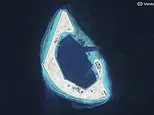
The Daily Mail reports that China has completed construction of an artificial island described as being "ideally placed" for a potential invasion of Taiwan, though the article text available does not provide further verified detail on the island's exact location, size or strategic function. The claim fits into wider ongoing concerns among Western officials and analysts about Beijing's military build-up and infrastructure projects in waters near Taiwan, which China regards as part of its territory.
Unfortunately, the source content retrieved for this article consists largely of unrelated headline links rather than the substantive report, so specific figures, quotes or official comments could not be confirmed. Readers wanting further detail on the island's location, construction timeline or military assessments should consult the original article directly.
In short
- China reportedly finishes man-made island near Taiwan.
- Island described as well-positioned for a potential invasion.
- Full article detail unavailable; specifics unverified.
Steelman: both sides, in good faith
The strongest fair case each way — we don't pick a winner.
The case for
Those who view this construction with alarm argue that China has spent years converting reefs and islets across contested waters into military-capable outposts, and that each new facility close to Taiwan should be read in the context of Beijing's explicit refusal to renounce force as a means of unification. They contend that Western democracies have a duty to sound the alarm on genuine build-ups in dual-use infrastructure – airstrips, ports, radar – so that Taiwan and its partners are not caught unprepared, and that scepticism about such warnings in the past has sometimes proven complacent. On this view, taking the reported strategic value of the island seriously is a matter of prudent deterrence rather than alarmism.
The case against
Others urge caution about headlines framing any Chinese infrastructure project as evidence of imminent invasion plans, noting that Beijing routinely builds artificial islands, ports and outposts for fishing, resource extraction, coastguard operations and territorial assertion in disputed waters, purposes it insists are defensive or economic rather than offensive. They point out that phrases such as 'ideally placed for invasion' are frequently the interpretation of anonymous analysts or commentators rather than confirmed military assessments, and that framing every construction project through the lens of a coming war risks inflaming tensions, misreading routine activity and feeding threat narratives that outpace the actual evidence available.
Explained simply
China claims Taiwan as its own territory, a position Taiwan's government rejects, and the two sides have been separated by the Taiwan Strait since 1949. In recent years China has stepped up military activity around Taiwan and built up infrastructure across the wider South China Sea, including artificial islands on reefs and shoals, moves that neighbouring countries and Western governments have watched with growing unease.
Artificial islands built by China in these waters have previously been used to host runways, radar and military facilities, which is why any new island construction tends to draw scrutiny over its possible strategic or military purpose. Such projects sit within a broader, long-running rivalry involving the United States, which has informal defence ties with Taiwan, and other regional states with competing territorial claims.
This matters because a conflict over Taiwan could draw in major world powers and disrupt global trade routes and semiconductor supply chains, given Taiwan's central role in chip manufacturing. Reports about Chinese military infrastructure near Taiwan are therefore closely watched as potential indicators of Beijing's intentions, even though such claims often require further verification from official or independent sources.