Technology news and discussion on TalkFuse.
China could exploit US technology to threaten American forces, congressional watchdog leaders warn
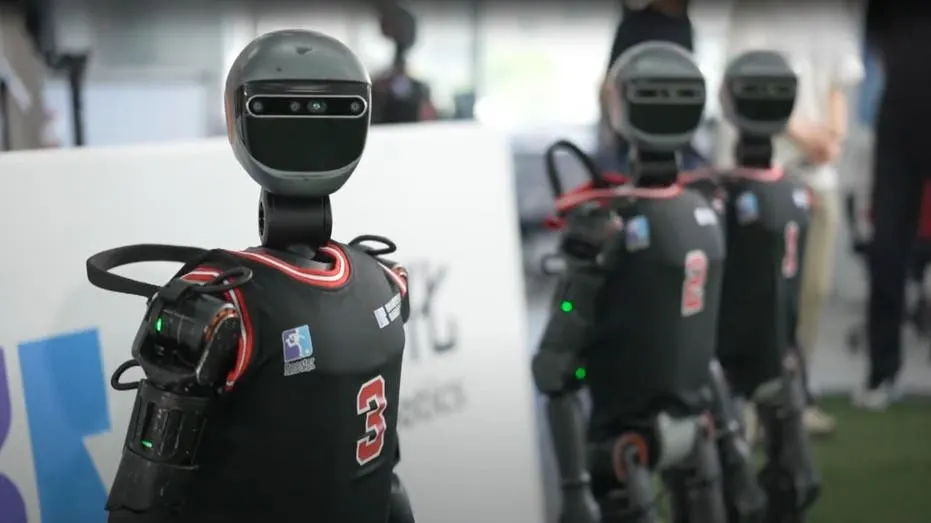
Two leaders of the US-China Economic and Security Review Commission warned that China could use American technology and computing infrastructure to strengthen its armed forces. They said access to advanced chips and AI data centres could help Beijing develop military capabilities, potentially without the knowledge of the US companies involved.
The commission’s 2026 report says China is seeking to bypass US export controls to obtain advanced semiconductors, and cites an assessment that the People’s Liberation Army was seeking Nvidia chips for AI-enabled military uses. The officials also pointed to AI being integrated into weapons, targeting, command and logistics, including autonomous systems. Nvidia said it had stopped shipping licensed Hopper-generation data-centre chips to Chinese customers, according to a Reuters report cited in the article.
In short
- Watchdog leaders warn China could use US chips and AI infrastructure to modernise its military.
- A 2026 commission report says Beijing is seeking advanced semiconductors despite export controls.
- The concerns include AI-enabled weapons, targeting, command systems and autonomous platforms.
Steelman: both sides, in good faith
The strongest fair case each way — we don't pick a winner.
The case for
Restricting China’s access to advanced chips and computing infrastructure could reduce the risk that US-made technology strengthens military systems capable of threatening American forces. Supporters of tighter controls argue that when the potential uses include targeting, command and autonomous weapons, preventing access is a legitimate security measure even if enforcement is difficult.
The case against
Broad restrictions could slow legitimate research and commercial activity, impose costs on US companies, and encourage China to build alternative supply chains that are harder to monitor. A reasonable critic might argue for narrowly targeted controls and stronger enforcement, since sweeping limits may not prevent military use while weakening US technological competitiveness.
Explained simply
The US and China are major competitors in technology and military power. Advanced semiconductors, or chips, are essential to the computing systems used to train artificial intelligence, while large data centres provide the computing capacity those systems need.
The People’s Liberation Army is China’s military, and Nvidia is a US company that designs advanced chips. US export controls restrict the sale of some technologies to China, partly over concerns about their possible military uses; companies must follow those rules when selling or supplying technology.
Artificial intelligence can be used in areas such as weapons, targeting and military logistics, as well as in civilian products. The issue matters because access to powerful chips and computing infrastructure could affect how quickly militaries develop these systems, and because technology may have military uses even when supplied for other purposes.
AI Americas Asia Technology World