Technology news and discussion on TalkFuse.
China criticises idea it is in ‘malicious competition’ over AI
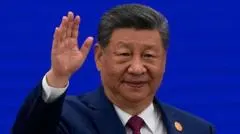
China has pushed back against what it calls "threat narratives" around artificial intelligence, warning against "confrontation and malicious competition" after Anthropic chief executive Dario Amodei called for AI development to slow down without letting China overtake the US. The exchange highlights deepening strain between the world's two leading AI powers, coming amid a week of stark warnings from figures at major US AI labs about existential risks, even as President Donald Trump insists his priority is ensuring America outpaces China in the technology race.
Chinese foreign ministry spokesperson Guo Jiakun said on Monday that "narratives of threat, confrontation, and malicious competition" only disrupt global AI governance, urging cooperation on AI that is "open, inclusive, beneficial to all". Analysts say a genuine US-China agreement to jointly regulate AI is "next to impossible" given both nations treat it as a core national security interest, though China has separately acknowledged risks, with state security minister Chen Yixin calling for stronger laws and safeguards against "hostile forces". Beijing has also launched the World AI Cooperation Organisation and proposed an open-source AI community at the Brics summit, while in the US, tech leaders including OpenAI's Sam Altman and Microsoft's Satya Nadella have echoed calls for stronger safety measures following a former Anthropic researcher's warning about catastrophic risks from unchecked AI development.
In short
- China rejects claims it is waging "malicious competition" in AI race.
- Comes after Anthropic's Amodei urged slowing AI development.
- US-China cooperation on AI regulation seen as highly unlikely by experts.
Steelman: both sides, in good faith
The strongest fair case each way — we don't pick a winner.
The case for
Treating AI as a strategic competition reflects legitimate concerns that advanced systems could affect national security, economic strength and global influence. Advocates of maintaining a lead argue that slowing development unilaterally could leave a country less prepared or allow a rival to shape the technology and its rules, while still supporting safety measures at home.
The case against
Framing AI primarily as a contest risks deepening mistrust and making shared safeguards harder to achieve, even though the technology’s risks cross borders. Advocates of cooperation argue that open dialogue, common standards and wider access could improve safety and spread benefits, while reducing the chance that rivalry drives reckless development.
Explained simply
Artificial intelligence (AI) is technology that can perform tasks such as generating text, recognising images or helping make decisions. China and the United States are the two leading powers in AI, and both see the technology as important to their economies and national security.
The main players include the Chinese government and US technology companies such as Anthropic, OpenAI and Microsoft. Their leaders and officials have raised concerns about AI’s risks and how quickly it should be developed, while governments are considering rules and safeguards.
How the two countries approach AI could affect international safety rules and cooperation. Their competition also shapes who develops the technology and sets standards for its use around the world.
AI Americas Asia Business Companies Markets Technology World