World news and discussion on TalkFuse.
China encroaches dangerously close to US land as a single ship breakdown exposes major vulnerability
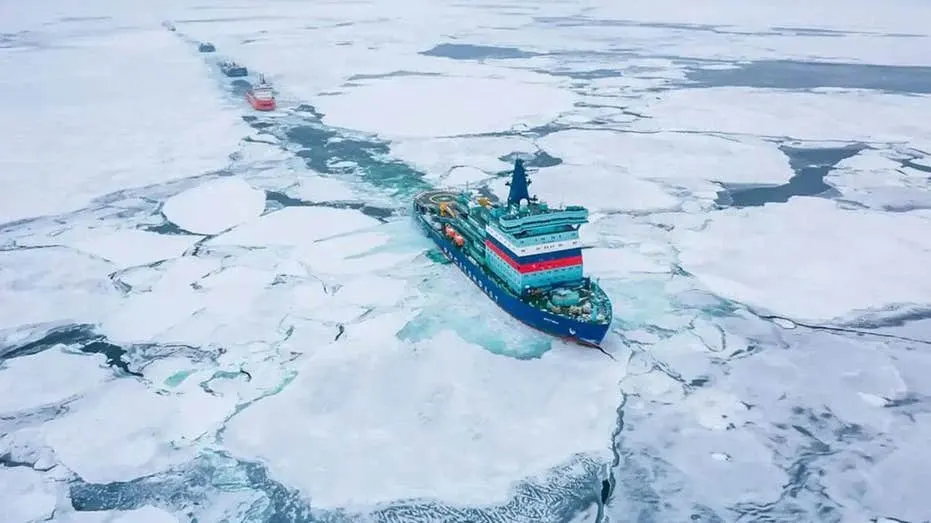
A mechanical failure on the US Coast Guard cutter Healy halved the service’s planned icebreaking capability in the Arctic this summer, leaving one of two icebreakers available as four Chinese research vessels operated in the region. The incident highlights how limited US capacity could hamper its ability to monitor increasingly active waters near Alaska.
The Coast Guard says Chinese vessels’ surface activity observed during a recent patrol did not breach customary law or international norms, but research there can also provide data useful for future resource development and military planning, including submarine operations. Shrinking sea ice is opening more waters to navigation, while Russia has a substantially larger icebreaker fleet. Nearly $25 billion in recent funding is intended to support 11 new Arctic Security Cutters, with the first expected in the region as early as 2028.
In short
- Healy’s breakdown cut planned US Arctic icebreaking capacity in half.
- Four Chinese research vessels operated in the region this year.
- The first of 11 planned Arctic Security Cutters could arrive by 2028.
Steelman: both sides, in good faith
The strongest fair case each way — we don't pick a winner.
The case for
The Healy breakdown exposed how a small US icebreaking fleet can leave Alaska’s nearby waters harder to monitor as shipping and research activity grows. Chinese research may be lawful while still producing information useful for future resource development or military planning, so stronger Coast Guard capacity could help the US understand developments and protect its interests in the Arctic.
The case against
The reported Chinese surface activity did not breach customary law or international norms, and research vessels operating in the region should not be treated as a threat simply because their findings might have strategic uses. Expanding the icebreaker fleet is a costly response to a single mechanical failure; the US could instead prioritise reliable maintenance, cooperation and monitoring proportionate to demonstrated risks.
Explained simply
The Arctic is warming faster than many other regions, and shrinking sea ice is opening waters around Alaska to more ships. The US Coast Guard uses icebreakers to patrol these difficult waters, support other vessels and monitor activity.
China has sent research ships into the region, while Russia has a much larger fleet of icebreakers. Research can produce information relevant to science and shipping, as well as to future resource development and military planning; the Coast Guard says the activity it observed did not break customary law or international norms.
The US has two heavy icebreakers, so a mechanical problem with one can sharply reduce its ability to operate in the Arctic. Funding has been approved for 11 new Arctic Security Cutters, with the first expected in the region as early as 2028.
Americas Asia Business Markets World