Technology news and discussion on TalkFuse.
China is hosting the world’s leaders in its AI wonderland. Here’s what they won’t see
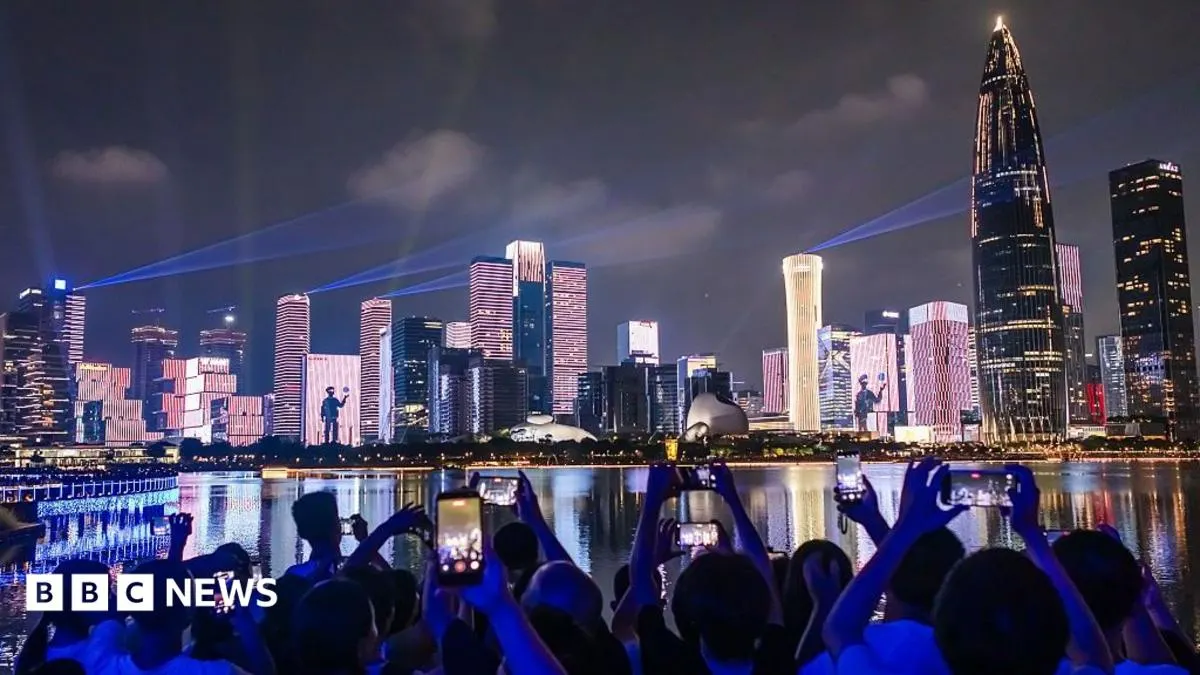
Shenzhen is being presented as a showcase for China’s ambitions in artificial intelligence and robotics ahead of a global economic summit attended by leaders including Donald Trump and Vladimir Putin. The city’s engineers, robots, delivery drones and driverless taxis embody a high-tech future, but the story argues that this image leaves out the economic strains facing many residents.
Shenzhen’s manufacturing base has evolved from toys and televisions to phones, electric vehicles and robots, attracting young engineers such as 27-year-old Huang Shihua. Yet workers describe factory relocations and job losses, while a weak property market has cut one taxi driver’s home value to a third of its original price. Sluggish spending, reduced factory production and automation are pushing more people towards temporary gig work, often with lower pay and fewer benefits.
In short
- Shenzhen showcases China’s AI and robotics ambitions.
- Workers face factory cuts and insecure gig jobs.
- The city’s tech boom masks broader economic strains.
Steelman: both sides, in good faith
The strongest fair case each way — we don't pick a winner.
The case for
Presenting Shenzhen’s AI and robotics sector to visiting leaders can showcase genuine engineering progress, attract investment and support industries that may create new jobs and raise productivity. Automation and industrial change can also help China move beyond lower-value manufacturing, even as workers and residents face disruption during the transition.
The case against
A high-tech showcase risks giving leaders an incomplete picture if it obscures factory job losses, insecure gig work, weak consumer spending and falling property values. The gains from automation and industrial upgrading may not reach residents who lose stable work or see their savings eroded, so the city’s difficulties matter to any assessment of its economic progress.
Explained simply
Shenzhen grew from a small town into one of China’s major manufacturing and technology centres after the government designated it a special economic zone in 1980, encouraging investment and trade. Its factories now make products including smartphones, electric vehicles and robots, and the city is a showcase for China’s plans to expand in artificial intelligence.
China’s technology firms and engineers are part of that story, alongside factory workers, taxi drivers and people doing temporary delivery or other gig work. Changes in manufacturing, automation and a weak property market affect how secure their jobs and household finances are.
The contrast matters because a city’s visible technology projects do not show how evenly the benefits reach its residents. Shenzhen’s experience also offers a view of wider pressures in China, where slower spending and factory output can affect workers and businesses.