China is racing to the moon, and America must clear the path for space innovation
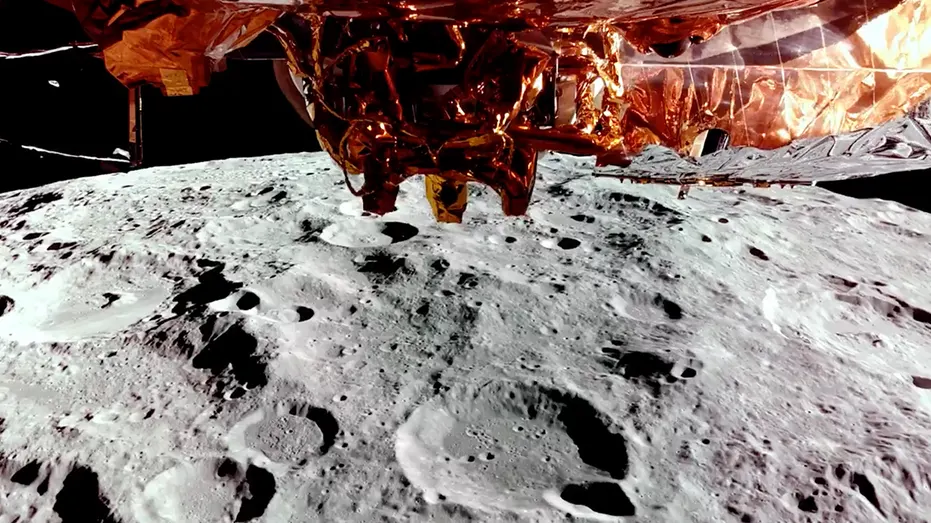
The article argues that the United States should streamline rules affecting commercial space companies as China’s lunar ambitions intensify. It says American public-private partnerships have helped the country achieve notable lunar milestones, and that making it easier for companies to develop and deploy technology matters for future exploration and strategic competition.
It highlights Intuitive Machines’ Odysseus, which landed on the Moon in February 2024, and Firefly Aerospace’s Blue Ghost, which delivered 10 NASA instruments and operated on the lunar surface for two weeks. The author points to NASA’s Commercial Lunar Payload Services programme and calls for reviewing outdated requirements and improving coordination between federal agencies. The supplied article text ends mid-sentence, so its full proposed policy changes are not included.
In short
- The author urges fewer regulatory obstacles for US space companies.
- Two Texas firms have recently achieved lunar landing milestones.
- The argument is framed around competition with China.
Steelman: both sides, in good faith
The strongest fair case each way — we don't pick a winner.
The case for
Supporters argue that clearer, less burdensome rules could help American companies develop and deploy lunar technology faster, building on commercial missions that have already supported NASA’s exploration goals. Better coordination across agencies could reduce delays while preserving oversight, strengthening US capabilities as China advances its lunar programme.
The case against
Those urging caution argue that space activity raises safety, environmental, security and international responsibilities that require careful oversight, and that streamlining rules could weaken safeguards if changes are rushed. They may also question whether competition with China should drive policy more than transparent standards and reliable public accountability, especially when the article does not specify its proposed changes.
Asia Elections Politics Space Technology World