World news and discussion on TalkFuse.
China rules out hosting Cop33 climate summit in 2028
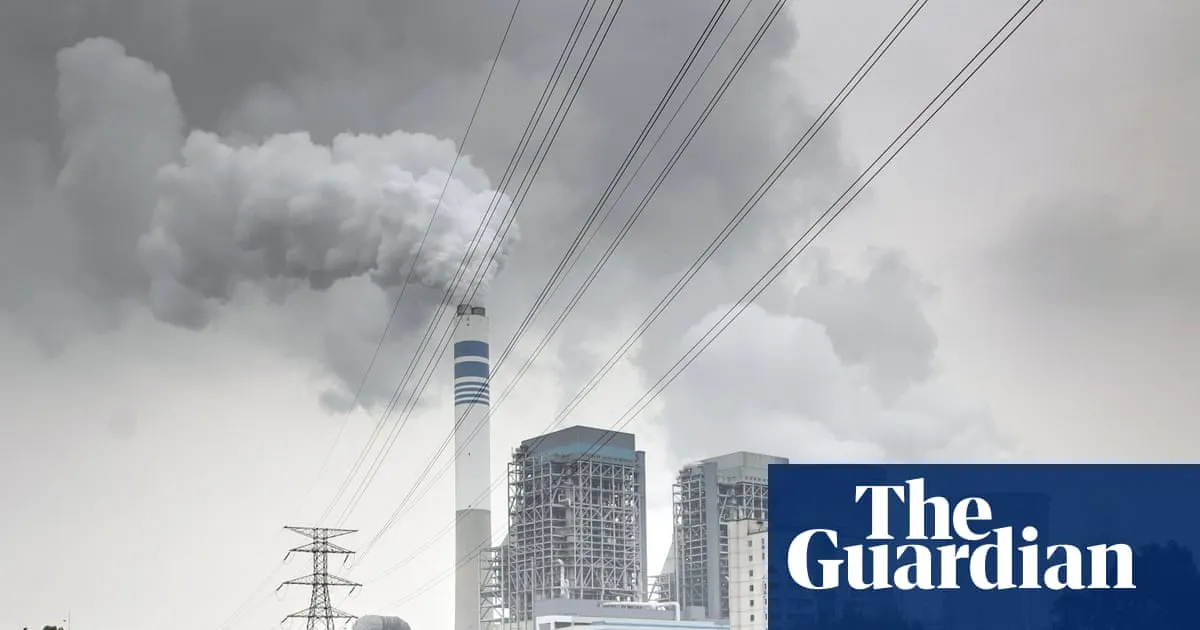
China has ruled out hosting the UN’s Cop33 climate summit in 2028, disappointing those who hoped the world’s biggest emitter would take a leading role in international climate cooperation. The decision leaves other Asian countries in contention and comes as the US is withdrawing from climate agreements.
China’s renewable energy capacity has overtaken coal, electric vehicles made up nearly two-thirds of sales last month, and clean energy industries drove more than 90% of investment growth last year. Cop33, scheduled for 6 to 17 November 2028, will include the Paris Agreement’s global stocktake of progress on emissions; experts suggest the timing of the US presidential election may have influenced China’s decision.
In short
- China will not host Cop33 in 2028.
- Other Asian countries could bid to host.
- The summit will include the Paris Agreement’s global stocktake.
Steelman: both sides, in good faith
The strongest fair case each way — we don't pick a winner.
The case for
China’s decision to rule out hosting may reflect legitimate limits on diplomatic capacity and the substantial cost and effort of organising a summit, rather than a lack of commitment to climate action. Its rapid growth in renewable energy and clean industries can be seen as evidence that it is contributing through domestic policy and investment, while leaving the host role to another country could allow it to focus on those efforts.
The case against
As the world’s largest emitter and a major clean-energy investor, China has both the influence and the resources to help strengthen international climate cooperation. Hosting Cop33 during a crucial assessment of Paris Agreement progress could have signalled leadership, encouraged higher ambition from other countries and helped sustain momentum as US engagement in climate agreements recedes.
Explained simply
The UN climate summit, known as Cop, brings countries together to discuss how to limit climate change and carry out their commitments. The Paris Agreement, reached in 2015, asks countries to set plans to cut greenhouse gas emissions, which trap heat in the atmosphere.
China is the world’s largest emitter of greenhouse gases, while also expanding renewable power and electric vehicle production. The summit matters because countries assess whether collective progress is keeping pace with the Paris Agreement’s goals; its 2028 meeting is due to include a global stocktake of that progress.
Asia Climate Geopolitics Politics Science World