Technology news and discussion on TalkFuse.
China’s Jensen Huang ‘honeypot’ trap is only more reason to win the AI race
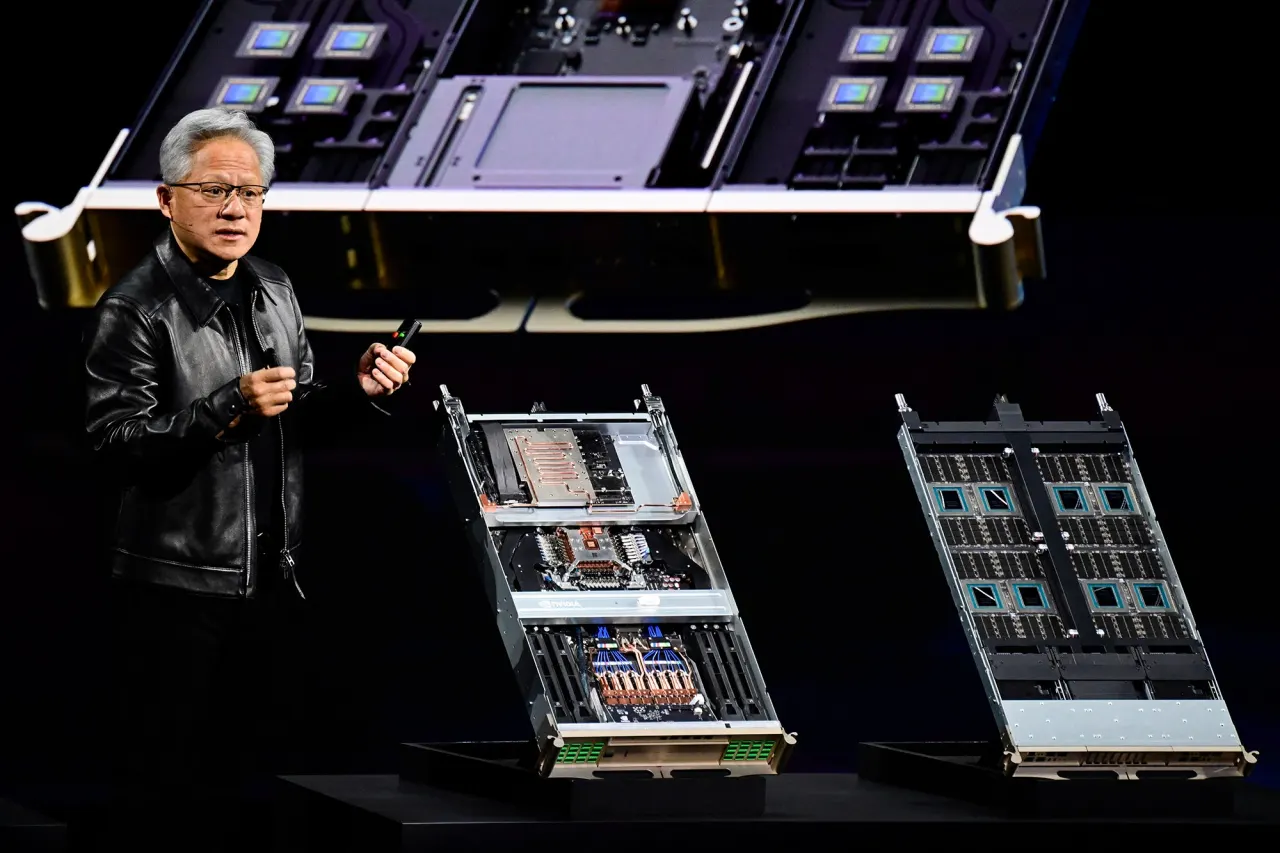
The article argues that reports of a Chinese “honeypot” operation involving Nvidia chief Jensen Huang warrant a full US investigation, but should not be used to slow America’s AI development. It warns that political pressure on Huang could weaken Nvidia and, in the writer’s view, benefit China’s effort to advance its AI industry.
The article says Huang has acknowledged an affair with Alice Huang and reports allege she passed information to China, though the nature and extent of any disclosures remain unclear. Nvidia’s board says it has no reason to believe national security or company secrets were compromised; the piece also notes Huang’s role in lobbying over US chip export policy and cites Bernie Sanders’ proposals to slow AI development. These claims and arguments are presented in an opinion article.
In short
- The writer calls for a full investigation into alleged Chinese intelligence activity.
- Nvidia says it has no reason to believe secrets were compromised.
- The article warns against using the affair to restrict US AI development.
Steelman: both sides, in good faith
The strongest fair case each way — we don't pick a winner.
The case for
A full investigation could establish whether sensitive information was shared and protect national security, while avoiding premature conclusions about what happened. At the same time, the United States should keep developing AI: slowing its own industry could weaken a strategically important company and allow China to gain ground, while careful export controls and oversight address specific risks.
The case against
The allegations, though unresolved, may point to risks that merit scrutiny beyond the company’s own assessment, especially given Nvidia’s importance and Huang’s involvement in export-policy lobbying. Slowing some AI development or tightening controls could give regulators time to assess security and social harms, rather than treating faster competition with China as the overriding priority.
Explained simply
Jensen Huang is the chief executive of Nvidia, a US company that makes chips widely used to develop artificial intelligence. Those chips are also part of a wider dispute over how much advanced technology the United States should sell to China.
Reports have alleged that Alice Huang, with whom Jensen Huang has acknowledged having an affair, passed information to China. What information may have been shared, and whether any company or national security secrets were involved, remains unclear. Nvidia’s board says it has no reason to believe secrets were compromised.
The allegations have drawn attention to Huang’s influence in debates over chip exports and AI policy. The article is an opinion piece: it argues for an investigation while saying the United States should keep developing AI, a position that sits within a broader debate about competition with China and the risks of the technology.
AI Americas Asia Business Companies Technology World