Technology news and discussion on TalkFuse.
Chinese AI firms and ‘other restricted entities’ blocked from remotely accessing American AI chips, which I’m surprised wasn’t already a thing
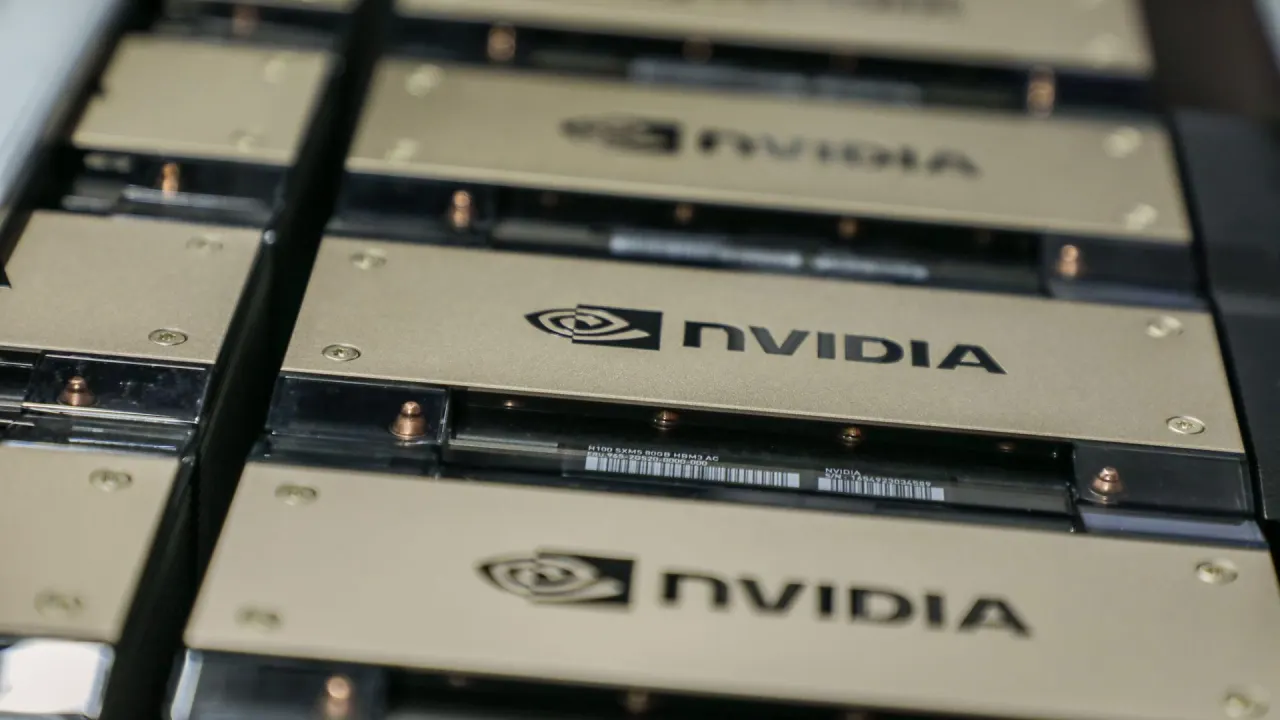
The US Department of Commerce has issued a rule blocking Chinese AI firms and other restricted entities from remotely accessing advanced American AI chips. The move aims to close an export-control loophole that could let Chinese companies use the chips’ computing power to train AI models without importing the hardware, potentially narrowing the US lead in AI.
The article says exports of the most advanced chips to China are already banned, while US policy on less advanced chips has shifted over time and China has also varied its willingness to buy them. The rule follows renewed debate about national security and comes amid efforts to balance chip sales with maintaining America’s advantage. It is unclear how long Chinese firms have been able to access chips remotely.
In short
- US blocks restricted firms from remotely using advanced American AI chips.
- The rule targets a loophole in existing export controls.
- The article says the duration of any prior access is unknown.
Steelman: both sides, in good faith
The strongest fair case each way — we don't pick a winner.
The case for
Supporters argue that remote access can deliver much the same strategic benefit as importing restricted chips, allowing Chinese firms to train advanced models while evading existing controls. Closing that gap could protect national security and preserve the United States’ technological lead, while making export rules more consistent.
The case against
Critics could argue that broad restrictions on remote access may reach beyond clear security risks, burdening legitimate commercial or research uses and making compliance harder to define. They may also contend that limiting access to American computing services could reduce US firms’ revenue and influence, while encouraging China to build independent alternatives.
Explained simply
Advanced AI models require large amounts of computing power, often supplied by specialised chips designed by American firms. US export controls already restrict the sale of the most advanced chips to China, but companies can sometimes use computing services remotely, without importing the hardware.
The US Department of Commerce sets and enforces rules on exports of sensitive technology. Chinese AI firms are among the companies affected by the new restrictions; the rules also cover other entities designated as restricted. They concern access to chips’ computing power, including through remote services.
The issue matters because access to powerful chips can affect how quickly companies develop AI systems, as well as national security concerns. US policy has also had to weigh restricting China’s access against allowing American chipmakers to sell products abroad.