World news and discussion on TalkFuse.
Chinese memory ban would cut off RAMpocalypse relief
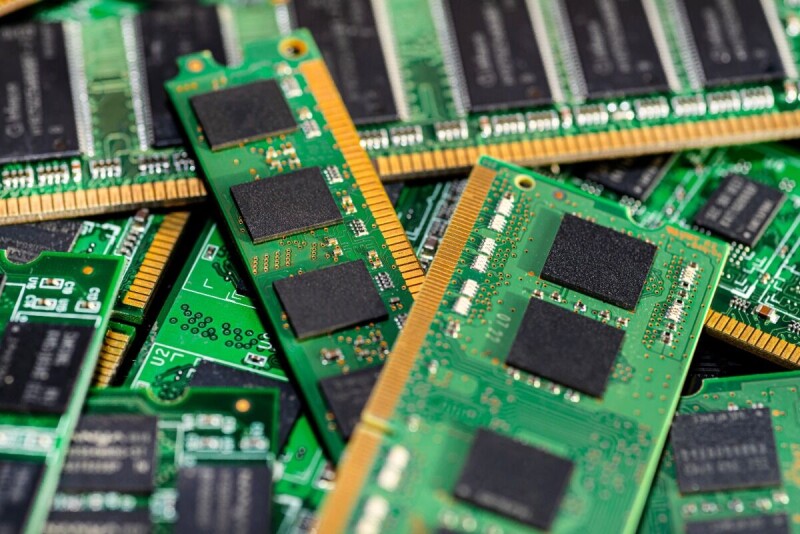
Two US representatives have urged the Trump administration to prevent American companies from buying memory chips made by Chinese manufacturers YMTC and CXMT. They argue that reliance on these suppliers could expose Western firms to subsidised Chinese competition, weaken domestic and allied memory production, and indirectly support China’s military; the move could also remove a potential source of relief during a global memory shortage.
CXMT makes DRAM used in devices and servers, while YMTC produces NAND flash storage, and both have reportedly been assessed by major PC makers including Apple, Dell and HP as memory prices rise. Existing US restrictions limit their access to American chipmaking technology but do not generally bar US firms from purchasing their products; the lawmakers want an executive order or directive to close that gap. They say greater manufacturing capacity, rather than dependence on Chinese chips, is the answer to high prices.
In short
- US lawmakers seek a ban on Chinese memory-chip purchases.
- YMTC and CXMT could otherwise ease memory shortages.
- Proposed curbs aim to protect Western manufacturers.
Steelman: both sides, in good faith
The strongest fair case each way — we don't pick a winner.
The case for
Restricting purchases from YMTC and CXMT could protect US and allied chipmakers from heavily subsidised competition, preserving investment and manufacturing capacity in a strategically important industry. Supporters also argue that limiting commercial links would reduce the risk that Western supply chains or revenue indirectly benefit China’s military, and that lasting relief from high prices should come from expanding trusted production.
The case against
Keeping Chinese suppliers eligible to sell memory could give buyers another source during a global shortage, easing pressure on prices and reducing dependence on a small number of producers. Opponents could argue that broad purchase restrictions burden US firms and consumers without directly building new capacity, while disrupting trade in products that are not generally barred under existing technology controls.
Explained simply
Memory chips store data and are essential components in computers, phones and servers. When supplies become tight, prices rise sharply, increasing the cost of devices for consumers.
YMTC and CXMT are Chinese manufacturers producing memory chips that major technology companies, including Apple and Dell, have begun evaluating as alternatives as prices have climbed. Although existing US regulations restrict the advanced technology these firms can access, there is currently no blanket ban on American companies purchasing their products.
Two American lawmakers have called on the Trump administration to prevent US companies from buying memory chips from these Chinese suppliers. They argue that such reliance could weaken Western chipmaking capacity, expose companies to subsidised competition, and indirectly support China's military, and that expanding American manufacturing capacity represents a better solution to high prices.