Video games news, releases, esports and culture — all the biggest gaming stories in one place.
Chinese memory maker CXMT mops up even more market share away from the likes of Samsung, SK hynix, and Micron, giving me hope that competition is the way out of the memory crisis
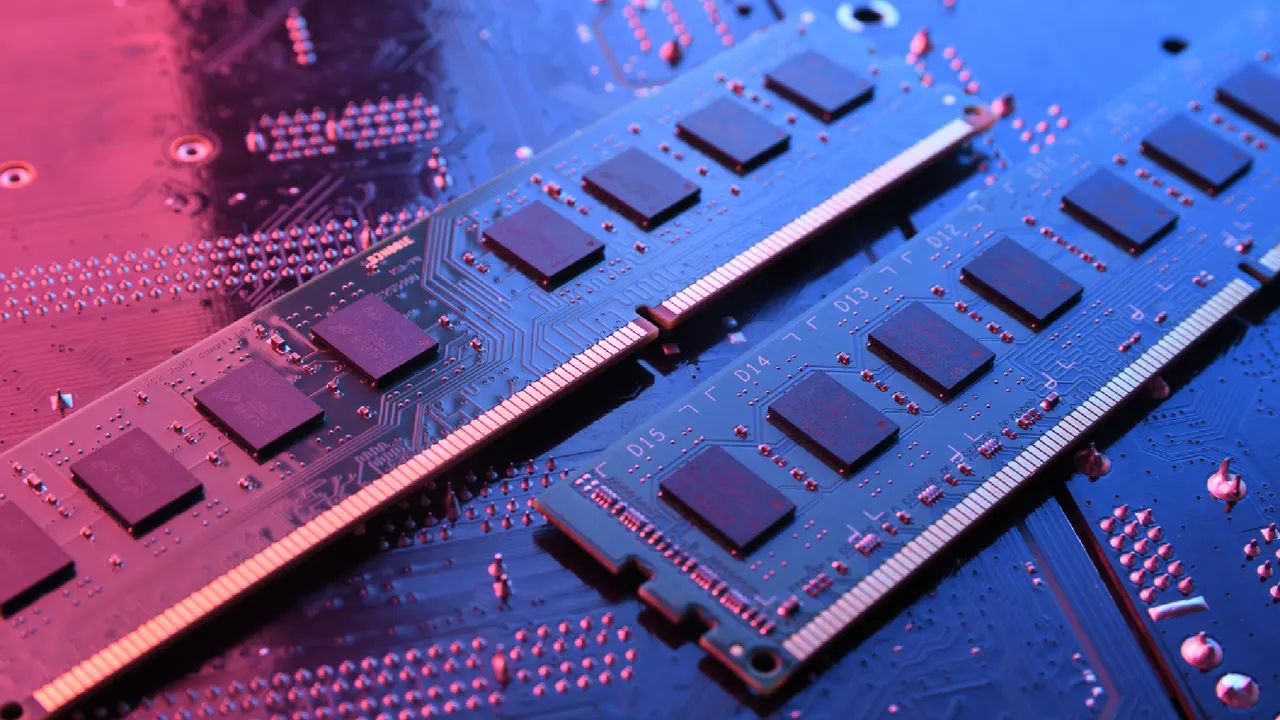
Chinese memory chipmaker CXMT continues to grow its share of the global DRAM market, cutting into the dominance long held by South Korea's Samsung and SK hynix and America's Micron. The development is seen as encouraging news for an industry currently gripped by a memory pricing crisis, as increased competition from a new major manufacturer could help ease supply constraints and price pressures that have been squeezing consumers and computer builders alike.
The report frames CXMT's rise as a meaningful shift in an industry historically dominated by just three major players, with the Chinese firm's expanding output potentially disrupting the pricing power those companies have held. Greater competition in memory manufacturing is presented as a possible route out of the current shortage-driven price spikes affecting RAM and other memory products, though the article itself was unavailable in full detail beyond this headline framing.
In short
- CXMT gains further DRAM market share from Samsung, SK hynix and Micron
- Rise seen as sign competition could ease the memory crisis
- Chinese manufacturer increasingly challenging established industry leaders
Steelman: both sides, in good faith
The strongest fair case each way — we don't pick a winner.
The case for
A competitive memory chip market with CXMT as a new major player could genuinely alleviate the pricing pressures consumers currently face. When a market is dominated by just three manufacturers, those firms hold substantial pricing power, and shortage cycles lead to severe price spikes harming consumers and technology companies alike. CXMT's entry and growing market share increase global supply capacity and incentivise price competition. This represents markets working as intended: new competitors challenge incumbents, prices fall, and consumers benefit.
The case against
Whilst increased competition sounds appealing in principle, the rise of a Chinese state-backed chipmaker raises substantive concerns about genuinely healthy market competition. Memory chips are critical infrastructure, and having manufacturing concentrated with a company closely linked to China's government introduces geopolitical vulnerabilities for national security and supply chain resilience. If CXMT's growth is sustained by government subsidies rather than superior efficiency, the competition may be artificial and unsustainable. Simply replacing Western and Korean dominance with Chinese dominance doesn't address underlying market concentration; it merely shifts where power lies.
Explained simply
DRAM is a type of memory used in computers, phones and other electronics to store data that devices need while they are running. For many years, most DRAM has come from three companies: South Korea’s Samsung and SK hynix, and the US company Micron.
China’s CXMT is a newer manufacturer seeking to expand its place in this market. Making memory chips requires large factories and substantial investment, so adding significant production takes time.
When supplies are tight, memory prices can rise, affecting computer makers and people buying devices or upgrades. More producers could increase supply and competition, but how much that would ease price pressures depends on how quickly CXMT can expand and how much usable memory it produces.