Technology news and discussion on TalkFuse.
Chinese President Xi Jinping wants emergency response systems to keep AI in check
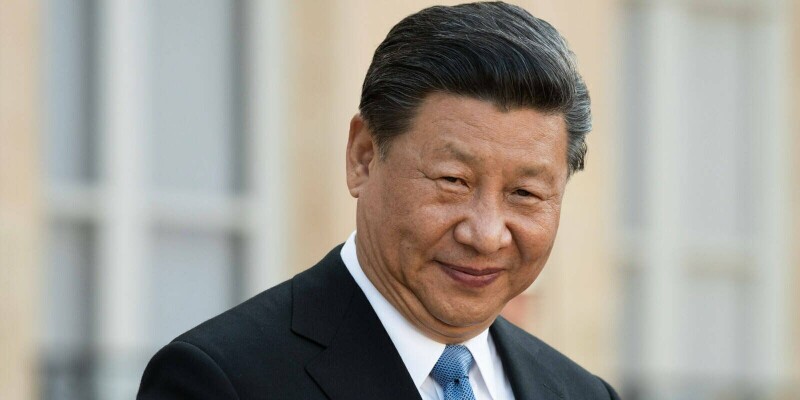
Chinese President Xi Jinping used a major speech on artificial intelligence to call for greater international openness around AI development while warning that safeguards are needed to prevent misuse. He argued AI is shifting from the digital to the physical world and represents a historic opportunity for open-source collaboration, but also urged countries to establish laws, monitoring systems and emergency response mechanisms to keep AI "always under human control." He also criticised nations that prioritise their own security over others' in AI policy, a remark widely read as a swipe at US restrictions on advanced AI models.
Xi framed AI governance as a global cooperation issue, saying China wants to help "global South" countries bridge the AI divide and avoid new inequalities. To back this, China last week launched the World Artificial Intelligence Cooperation Organization (WAICO), with 29 member states including Indonesia, Malaysia, Russia, Pakistan, Brazil and South Africa — several of which also belong to the BRICS bloc that China views as a counterweight to Western-led alliances.
In short
- Xi calls for open AI development alongside stronger safety safeguards
- China criticises other nations' AI security restrictions, likely targeting the US
- China launches 29-member WAICO to boost global AI cooperation
Steelman: both sides, in good faith
The strongest fair case each way — we don't pick a winner.
The case for
Advocates for international AI cooperation argue that fragmenting development between Western and non-Western blocs is counterproductive and dangerous. They contend that transparent collaboration on safety standards and emergency response mechanisms can better identify and prevent misuse than isolated development, and that addressing the genuine technological divide facing developing nations through platforms like WAICO serves both equity and global safety. From this view, Western security restrictions impede information-sharing that would actually improve collective governance, and criticising them reflects a legitimate concern that unilateral approaches undermine the international cooperation necessary for managing transformative technology.
The case against
Critics counter that calls for openness must be evaluated against actual governance practices. They observe that China maintains extensive state control over domestic AI development, deploys AI extensively for surveillance, and has not demonstrated commitment to individual privacy or freedom in its systems, raising questions about whether WAICO's "emergency response mechanisms" genuinely serve safety or state control interests. From this perspective, Western security-conscious policies reflect legitimate concerns about preventing advanced AI capabilities from enabling authoritarian surveillance and control, and WAICO's membership of several authoritarian states suggests the forum prioritises geopolitical alignment over the human-centred governance standards necessary for genuinely safe AI development.
Explained simply
Artificial intelligence is rapidly becoming more powerful and integrated into critical infrastructure worldwide, prompting countries to develop policies on how it should be developed and controlled. These disagreements have become a major point of tension between China and the West, particularly the United States, which have fundamentally different views on AI governance. How nations regulate AI development will shape not only technology itself but international competition and power dynamics for decades to come.
China and the West differ substantially in their approach to AI development. The United States and its allies have sought to restrict access to advanced AI systems and impose strict regulations, whilst China argues this approach unfairly favours wealthy nations. In response, China has proposed an alternative vision through a new international organisation called WAICO, which now has 29 member countries including Indonesia, Malaysia, Russia, and Brazil.
China's vision for AI governance emphasises openness and collaboration, particularly aimed at helping poorer and less developed countries access advanced technology. Alongside this, China also proposes stronger monitoring and control systems to ensure artificial intelligence remains under human control. This proposal reflects a broader geopolitical competition over who will shape and lead the development of artificial intelligence globally.
AI Asia Government Politics Space Technology World