World news and discussion on TalkFuse.
Chinese RAM is reportedly landing in laptops from HP, Asus and Acer but it won’t change the memory crisis overnight
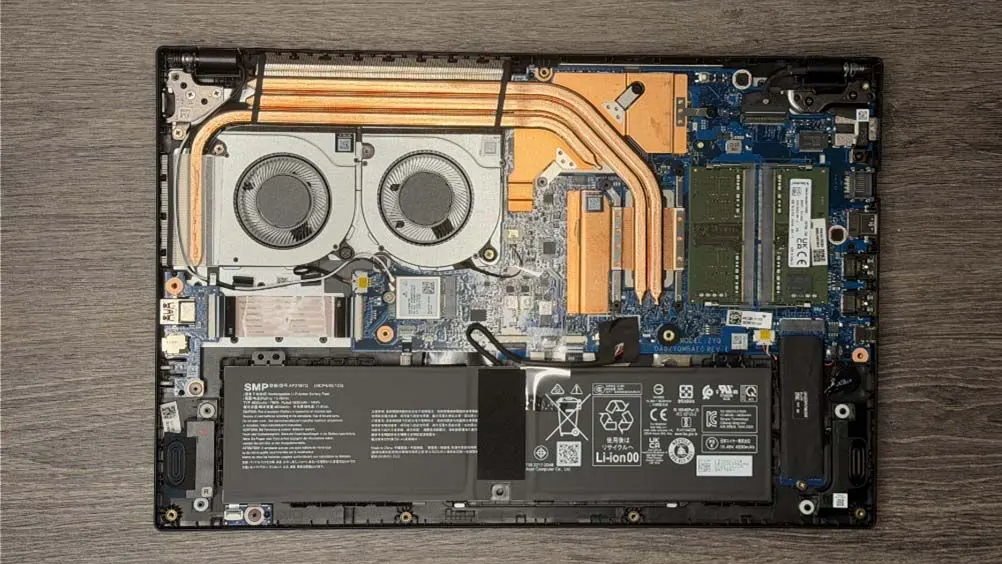
Reports indicate that memory chips manufactured in China are beginning to appear in laptops from major PC brands including HP, Asus and Acer, as manufacturers look for ways to ease pressure from a global RAM shortage. The move reflects how deeply the memory crunch—driven by surging demand for AI-related components and constrained production capacity—has forced laptop makers to diversify their supply chains beyond the usual dominant memory producers.
However, the shift is not expected to resolve the broader shortage quickly, as Chinese RAM currently makes up only a small portion of overall supply and production would need to scale substantially to make a meaningful dent in global demand. Consumers are likely to continue facing elevated memory prices and constrained availability in laptops and other devices for the foreseeable future, even as this diversification effort gets underway.
In short
- Chinese-made RAM reportedly appearing in HP, Asus and Acer laptops
- Move aims to ease impact of the ongoing global memory shortage
- Unlikely to resolve the wider RAM crisis in the short term
Steelman: both sides, in good faith
The strongest fair case each way — we don't pick a winner.
The case for
This diversification of supply sources is a necessary and pragmatic response to a genuine crisis. The global RAM shortage is driving high prices and limiting consumer access to reasonably configured devices, and Chinese manufacturers possess both the industrial capacity and technical expertise to help alleviate this pressure. Expanding the supplier base beyond traditional producers increases overall production volume, promotes competitive pricing, and builds resilience into the supply chain by reducing dangerous over-dependence on any single region or company.
The case against
Whilst supply diversity has merit, integrating Chinese-manufactured components into critical consumer devices raises legitimate concerns about security, quality assurance, and strategic autonomy. Hardware components are notoriously difficult to audit for vulnerabilities, and the geopolitical implications of becoming dependent on a foreign state for essential technology deserve serious consideration. The long-term stability and security risks may outweigh the short-term gains in supply quantity, particularly when other solutions such as increased production from established manufacturers or demand management might better serve consumers' interests.
Explained simply
RAM is a type of computer memory that helps a laptop run programmes and handle tasks while it is switched on. A small number of companies have traditionally supplied most of the memory used in computers, so laptop makers can be affected when production falls short of demand.
Demand for memory has risen as companies build more equipment for artificial intelligence, while production capacity remains constrained. HP, Asus and Acer are among the global laptop brands that depend on memory suppliers, and adding Chinese manufacturers could give them more sources to buy from.
Chinese-made RAM is still only a small part of the world’s supply. Expanding production takes time, so the new suppliers are unlikely to quickly ease pressure on prices or availability for laptops and other devices.