Chinese teens are turning to mind-numbing drugs to ‘run away from reality’
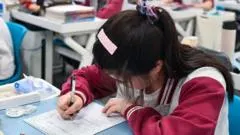
Teenagers in China are increasingly turning to prescription and over-the-counter medicines to achieve a "pharmaceutical high", using them as a way to escape intense academic pressure, according to BBC reporting based on interviews and social media chat groups. One 14-year-old, given the pseudonym Xiaomei, began overdosing on cough medication and later moved on to other drugs, including painkillers and epilepsy medication, taking large doses to numb the stress of exams and family conflict over a two-year period.
The BBC found dozens of similar accounts across Chinese social media, with teenagers swapping tips on which unregulated drugs to buy and how to fake prescriptions. Authorities launched a crackdown two years ago on the cough suppressant Xiaomei used, and imposed tighter controls in April 2026 on another drug teenagers had switched to, yet the substance was still being offered online for as little as 10 yuan (£1.09) per gram. Experts note that China's role as a major producer of pharmaceutical ingredients makes such drugs cheap and easy to obtain, and that young people quickly find alternatives whenever a particular substance is restricted.
- Chinese teenagers are misusing prescription drugs to cope with exam stress
- Government crackdowns on specific drugs are being circumvented by switching substances
- Cheap, easily accessible medication is bought online, sometimes just via ID number
New here? Start with this
In China, children face intense competition to do well in school, and exam results can shape their future opportunities. Some teenagers also describe family conflict and stress as adding to the pressure.
Some young people misuse medicines that are meant to treat coughs, pain or other health conditions, taking large amounts for their effects. They share information about these substances in online groups, where medicines may be sold without proper checks.
Chinese authorities have tightened controls on some of the drugs involved, but teenagers can turn to other substances when access changes. The issue raises questions about how medicines are kept out of unsafe channels and what support is available to young people under pressure.
Both sides, in good faith
The strongest fair case each way — we don't pick a winner.
The case for
Tightening pharmaceutical controls and enforcing restrictions on fake prescriptions can meaningfully reduce teenagers' immediate access to dangerous substances and prevent serious harms. When young people are desperate enough to abuse medication in such numbers, decisive supply-side intervention protects vulnerable children during this acute crisis. Authorities have a responsibility to act decisively on what they can control today whilst longer-term systemic reforms develop.
The case against
Enforcement crackdowns merely prompt teenagers to find alternative substances, as evidence clearly shows, because they ignore the core cause: intolerable academic and family pressure driving demand for chemical escape. Lasting solutions require reforming the competitive education system, expanding mental health services, and genuinely reducing stress. Without addressing root causes, enforcement-heavy approaches waste resources on a futile cycle whilst failing young people who need support, not punishment.