BBC marks a century of choral evensong broadcasts as access concerns grow
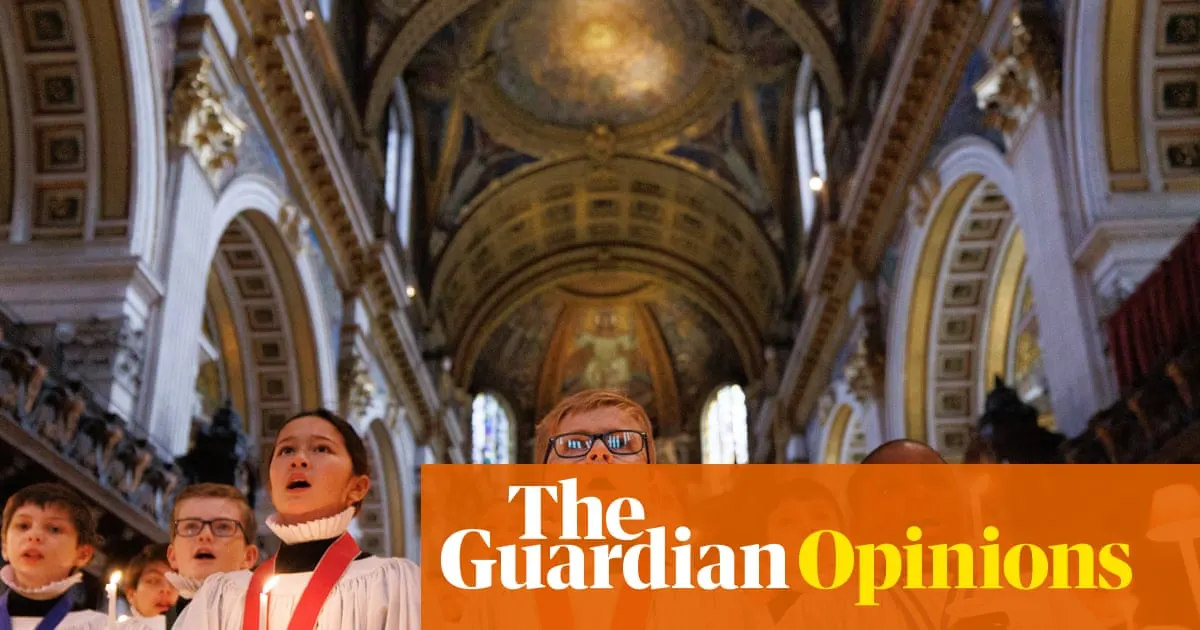
The BBC is marking 100 years since its first live broadcast of choral evensong, from Westminster Abbey on 7 October 1926. Jonathan Davies, a former chorister and MP, argues that the weekly Radio 3 service matters as a living cultural tradition and a shared moment of reflection, whether listeners experience it as prayer, contemplation or simply a pause from daily life.
The broadcast remains the BBC’s longest-running outside broadcast and reaches hundreds of thousands each week. About 3,000 children and young people sing as choristers in UK churches and cathedrals, gaining musical and personal skills, but costs, limited tuition and unfamiliarity can restrict access. Davies says the tradition needs wider participation; Cathedral Music Trust is campaigning for English sacred choral music to receive UNESCO Living Heritage recognition.
- BBC choral evensong broadcasts began 100 years ago.
- The weekly service reaches hundreds of thousands of listeners.
- Campaigners want to widen access and secure UNESCO recognition.
New here? Start with this
Choral evensong is an evening service of sacred music performed by trained singers in churches and cathedrals. The BBC began broadcasting these services live in 1926 from Westminster Abbey and has continued every week since, making it one of the longest-running programmes in broadcasting history. For listeners, the broadcast offers a moment of quiet reflection, whether experienced as religious contemplation, spiritual connection or simply as a peaceful pause from daily life.
The programmes feature established cathedral choirs alongside young choristers who learn the craft in churches across the UK, with roughly 3,000 children and teenagers currently training through this tradition. The weekly Radio 3 service reaches hundreds of thousands of listeners. However, participation is restricted by practical barriers including cost, limited access to proper training, and low awareness of opportunities among many young people.
Musicians and cultural figures, including former MP Jonathan Davies, argue that this tradition represents an important part of Britain's shared heritage that needs wider participation and support. The Cathedral Music Trust is campaigning for English sacred choral music to receive UNESCO Living Heritage recognition, reflecting concern that the tradition could decline without greater investment and accessibility.
Both sides, in good faith
The strongest fair case each way — we don't pick a winner.
The case for
A century-old broadcast tradition represents irreplaceable cultural heritage that provides contemplative value and musical education to hundreds of thousands weekly. The tradition's cultural significance and role in developing young musicians' skills justifies efforts to preserve and expand it, particularly through making it more accessible to broader participation. Shared cultural moments like this strengthen social cohesion and offer value that transcends economic metrics.
The case against
Whilst the tradition has historical value, significant access barriers—including costs, limited tuition, and unfamiliarity—mean it currently serves a restricted audience, raising legitimate questions about whether public resources should prioritise expanding it over more broadly accessible cultural initiatives. If participation remains limited to 3,000 young people nationally and cathedral choral music remains unfamiliar to many communities, efforts might generate better cultural outcomes if directed toward initiatives reaching wider populations.
Art Culture Entertainment Football Music Sport UK World
Read the full article at the source →
Originally published by The Guardian as “Choral evensong has been on our airwaves for 100 years today. Long may this vibrant, thriving art form continue | Jonathan Davies”.