World news and discussion on TalkFuse.
Christian persecution concerns rise in Egypt as State Department presses religious freedom
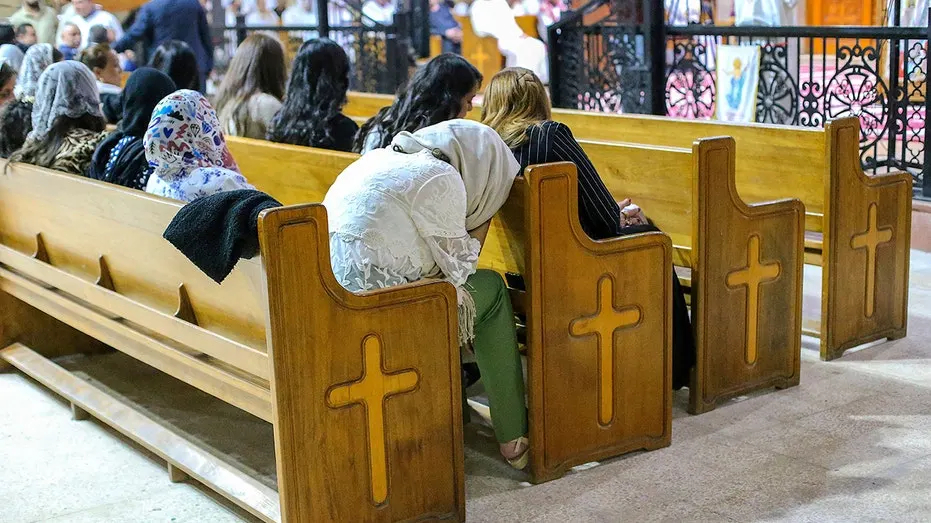
The US State Department has called on Egypt to uphold religious freedom after a series of violent incidents targeting Egyptian Christians, including the imprisonment of a man who had converted from Islam to Christianity. Coptic Christians, who make up Egypt's largest religious minority, have long reported discrimination and sporadic violence, and the intervention highlights ongoing US concern about how minority faiths are treated across the Muslim-majority Middle East.
The article, drawing on Fox News reporting, cites the case of a convert jailed after leaving Islam as emblematic of the pressures facing Christians in Egypt, alongside a wider pattern of attacks on the community. It also references a broader regional trend tracked by the watchdog group Open Doors, noting a reported surge in Muslims converting to Christianity across the Middle East, with Pastor Georges Houssney of Horizons International, who has ministered in the region for 50 years, describing disillusionment with Islam amid conflict and, in some cases, converts risking death in countries such as Iran.
In short
- State Department urges Egypt to protect Coptic Christians' rights
- Convert from Islam to Christianity reportedly jailed in Egypt
- Report notes wider Muslim-to-Christian conversion trend across Middle East
Steelman: both sides, in good faith
The strongest fair case each way — we don't pick a winner.
The case for
Religious freedom is a fundamental human right, and documented cases of Christians imprisoned for their faith and conversion, alongside patterns of violence against Coptic communities, represent serious violations requiring response. International advocacy for vulnerable minorities serves both humanitarian purposes and broader human rights standards. The State Department's pressure reflects legitimate concern about systematic discrimination, and such diplomatic engagement has historically contributed to improving conditions for persecuted groups.
The case against
Whilst religious freedom matters, Egypt's complex security situation and delicate religious balance require more nuanced approaches than external pressure alone. International criticism, particularly from Western governments, can inadvertently harm the communities it seeks to help by portraying religious minorities as Western-aligned rather than indigenous, potentially inviting greater backlash. Egypt's government faces genuine stability challenges, and dialogue-based approaches and support for internal reform may ultimately prove more effective than public pressure in fostering genuine religious coexistence.
Explained simply
Egypt's Coptic Christians, who make up the country's largest religious minority, have long experienced discrimination and occasional violent attacks. The US State Department has recently called on Egypt's government to better protect religious freedom, prompted partly by the case of a man who was imprisoned after converting from Islam to Christianity—a conversion that is viewed with serious concern in Egypt's Muslim-majority society.
Coptic Christians have reported a persistent pattern of legal obstacles, social prejudice, and sporadic violence over many years. Their treatment has become a focal point for broader international concern about how religious minorities are handled across the Muslim-majority Middle East, where the US and human rights monitoring groups keep close watch on conditions for Christians and other non-Muslim faiths.
Across the Middle East, there is a reported trend of Muslims converting to Christianity, driven in some cases by disillusionment with Islam amid regional conflict and instability. Those who make such conversions often face severe consequences, including imprisonment or death in countries like Iran, making this a matter of international concern for religious freedom advocates.