World news and discussion on TalkFuse.
Christian woman facing trial after being criminally charged for silently praying in public
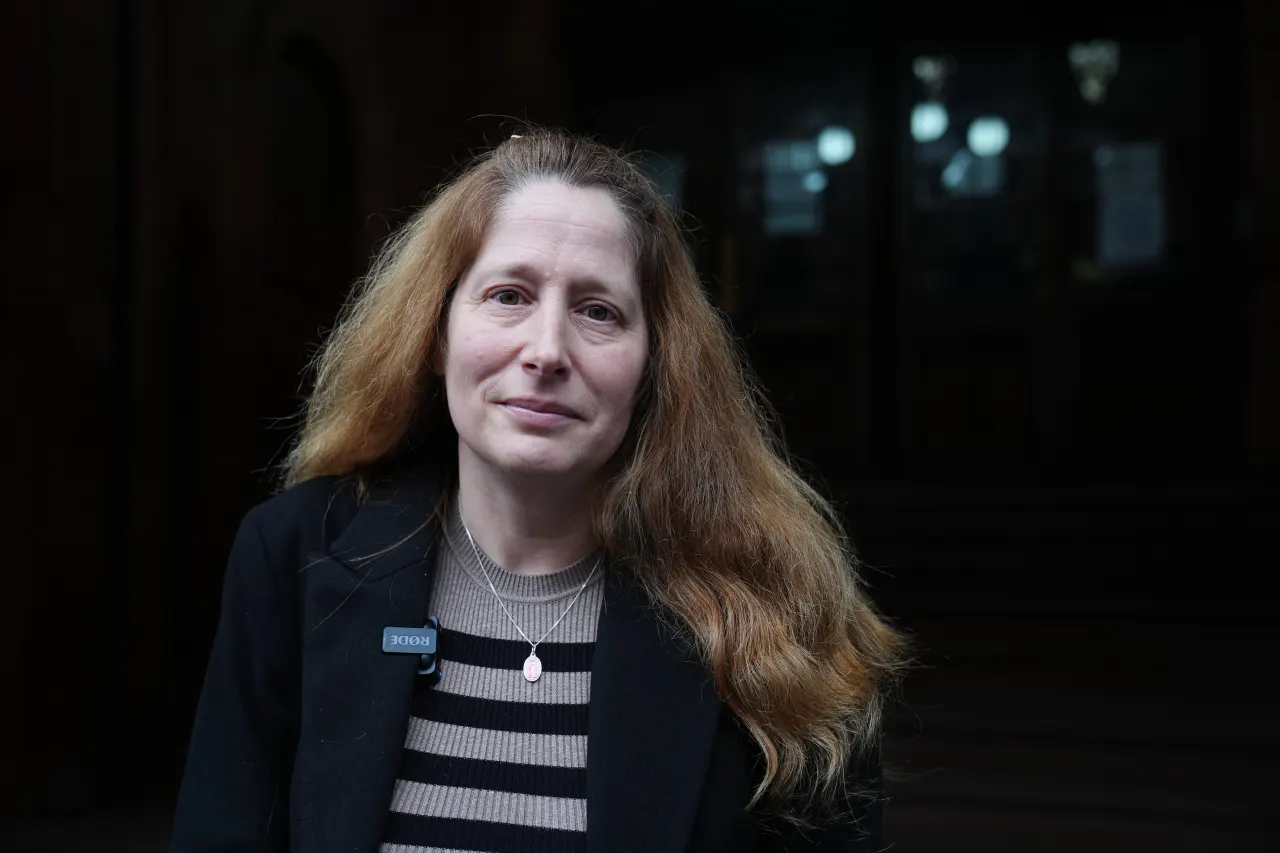
Isabel Vaughan-Spruce will stand trial in January 2027 over five charges linked to alleged silent prayer outside an abortion clinic in Birmingham. She is the first person in England and Wales to be prosecuted under national buffer zone legislation, and a judge has ruled that the case should proceed.
The charges relate to five separate occasions over a six-month period beginning on 13 June 2025, within 150 metres of the Robert Clinic. Prosecutors allege her presence was intended or reckless as to whether it influenced decisions about abortion services or caused harassment, alarm or distress. Vaughan-Spruce denies wrongdoing and says the case infringes her rights; the judge rejected her lawyers’ bid to dismiss it.
In short
- Isabel Vaughan-Spruce faces five charges over alleged silent prayer.
- Her trial is scheduled for 25 to 29 January 2027.
- A judge rejected her bid to have the case dismissed.
Steelman: both sides, in good faith
The strongest fair case each way — we don't pick a winner.
The case for
Supporters argue that a public buffer zone can protect people accessing abortion services from pressure, harassment or distress at a vulnerable moment, and that the law can apply to conduct or presence intended or recklessly likely to influence them, even without spoken words. They would say the trial is the proper place to assess the evidence and whether the charges meet that standard, while preserving safe and private access to healthcare.
The case against
Critics argue that criminally prosecuting someone for silent prayer risks punishing private thought or religious expression, especially if there is no evidence of communication or obstruction. They see the case as a test of whether buffer zone protections can be enforced without unduly restricting freedom of religion and expression, and argue that such restrictions should be clear and proportionate.