World news and discussion on TalkFuse.
Christmas lights row erupts as £60,000 display sparks bitter feud between neighbours
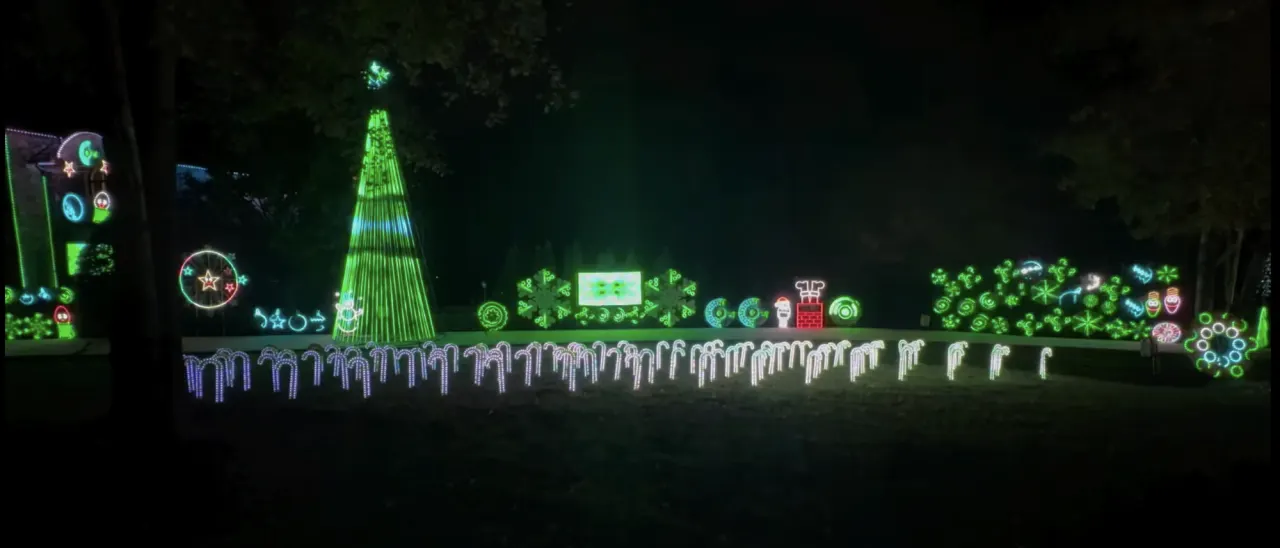
A North Carolina homeowner is taking his homeowners’ association to court after it ruled that his Christmas light display breached community rules. The dispute matters because it has escalated from complaints about lights and visitor traffic into a legal fight, with Neil Heuer alleging the association is retaliating for his criticism of its finances.
Heuer’s “High Flying Lights” show features more than 60,000 synchronised LEDs, music and animatronic figures, and has run for five years in Aero Plantation, a private community near Charlotte. The association found breaches of rules on exterior lighting and signage, though it found no violation over visitors, and warned of possible fines of $100 a day. Heuer says he has spent more than £70,000 on the displays; his lawyer offered to reduce their brightness and remove some lighting effects.
In short
- A North Carolina HOA ruled against a homeowner’s 60,000-light display.
- Heuer says the action is retaliation for questioning HOA finances.
- The dispute has moved to court after a proposed compromise.
Steelman: both sides, in good faith
The strongest fair case each way — we don't pick a winner.
The case for
The association can reasonably argue that shared community rules protect residents from unusually bright displays, signage and other effects that may disrupt neighbours or alter the area’s character. Enforcing those rules consistently, while allowing Heuer to propose changes, may be a legitimate way to balance one homeowner’s project with others’ comfort and the community’s agreed standards.
The case against
Heuer can reasonably argue that a seasonal display is a form of personal expression and community entertainment, and that restrictions should be proportionate when the association found no breach over visitor traffic. He may also question whether enforcement is fair if it followed his criticism of the association’s finances; the proposed reductions in brightness and effects could offer a less restrictive compromise.