Technology news and discussion on TalkFuse.
Christopher Nolan is glad young filmmakers are “rejecting” AI slop
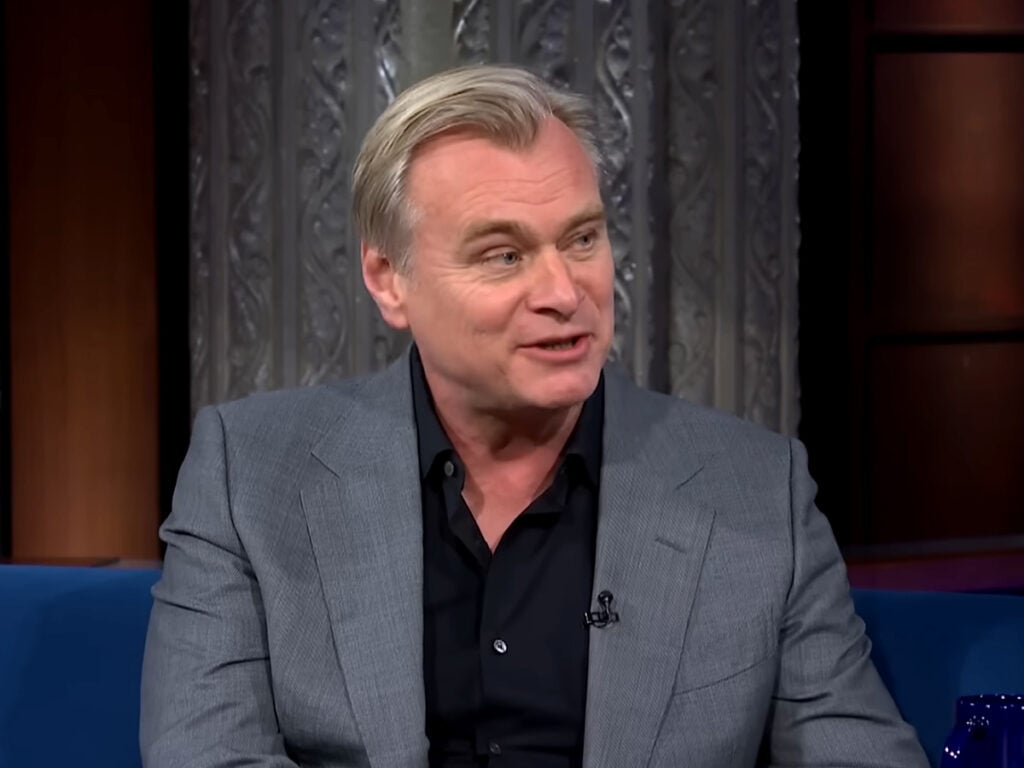
Renowned filmmaker Christopher Nolan has highlighted an unexpected cultural reversal, noting that young creators and audiences are rapidly dismissing AI-generated content as failed technology rather than embracing it as transformative. Having matured within digital environments, this generation identifies and rejects such material with striking immediacy, while the wider industry is pivoting away from virtual production methods toward more tactile, genuine approaches to storytelling.
The trend gains concrete evidence through the commercial breakout of low-budget independent films by young directors Kane Parsons and Curry Barker, whose works explicitly avoided AI tools whilst achieving unprecedented box office success on minimal budgets. Praised by both Nolan and Steven Spielberg, these films demonstrate that audiences—particularly younger viewers—gravitate toward cinema emphasising practical craft and atmospheric mystery over technological shortcuts. The pattern suggests cinema's evolution may depend not on automation but on emerging creative voices employing hands-on techniques.
In short
- Christopher Nolan observes that young filmmakers and audiences are decisively rejecting AI-generated content, identifying it quickly as inauthentic work
- Low-budget, AI-free independent films are achieving unexpected commercial success, signalling renewed audience appetite for tactile, authentic storytelling
- Industry is shifting away from virtual production toward practical techniques and fresh creative voices
Steelman: both sides, in good faith
The strongest fair case each way — we don't pick a winner.
The case for
Young filmmakers and audiences are correct to reject AI-generated content because authentic human creativity, practical technique, and genuine artistic vision produce cinema that resonates emotionally in irreplaceable ways. The ineffable quality that emerges from real cinematography, thoughtful creative decisions, and handmade craft—the atmospheric mystery and depth that connects audiences to stories—cannot be manufactured algorithmically. The commercial success of budget-conscious indie films deliberately avoiding AI demonstrates that audiences actively prefer authentic artistic expression over technological shortcuts. Cinema's essence lies in human connection and creative vision, making the industry's measured retreat from algorithmic automation both artistically justified and commercially validated.
The case against
Wholesale rejection of AI tools in filmmaking represents an overcorrection that mistakes the current glut of poor-quality automated content for the technology's actual potential to serve human creativity. Like earlier innovations—from colour film to digital cinematography to CGI—AI need not replace human artistic vision but can assist filmmakers with technical problem-solving, visualisation, and resource allocation. Some filmmakers might use AI productively to reduce time spent on routine technical work, freeing resources for storytelling and performance where human creativity matters most. The success of practical filmmaking doesn't disprove that AI, deployed thoughtfully as one tool among many rather than as automation, could enhance rather than supplant human artistry in appropriate contexts.
Explained simply
Over the past few years, AI-generated content has emerged as a potential tool in filmmaking and creative industries, with proponents predicting it would transform storytelling. However, audiences and younger creators have begun rejecting AI-generated material, marking a significant cultural shift. This reversal has prompted comment from established figures in the industry including filmmaker Christopher Nolan.
Independent filmmakers Kane Parsons and Curry Barker have achieved commercial success with low-budget films made without AI tools, instead using practical production techniques. Their work has resonated with audiences, particularly younger viewers, and has received praise from established directors including Nolan and Steven Spielberg. The success of these films demonstrates market appetite for cinema made through hands-on methods.
The broader film industry is now moving away from virtual and automated production methods, returning to practical filmmaking approaches. This shift reflects changing attitudes about the role of technology in creative storytelling and may influence how films are produced in future.
AI Entertainment Film Technology