World news and discussion on TalkFuse.
Christopher Nolan’s Favorite Translator Absolutely Hated His Odyssey
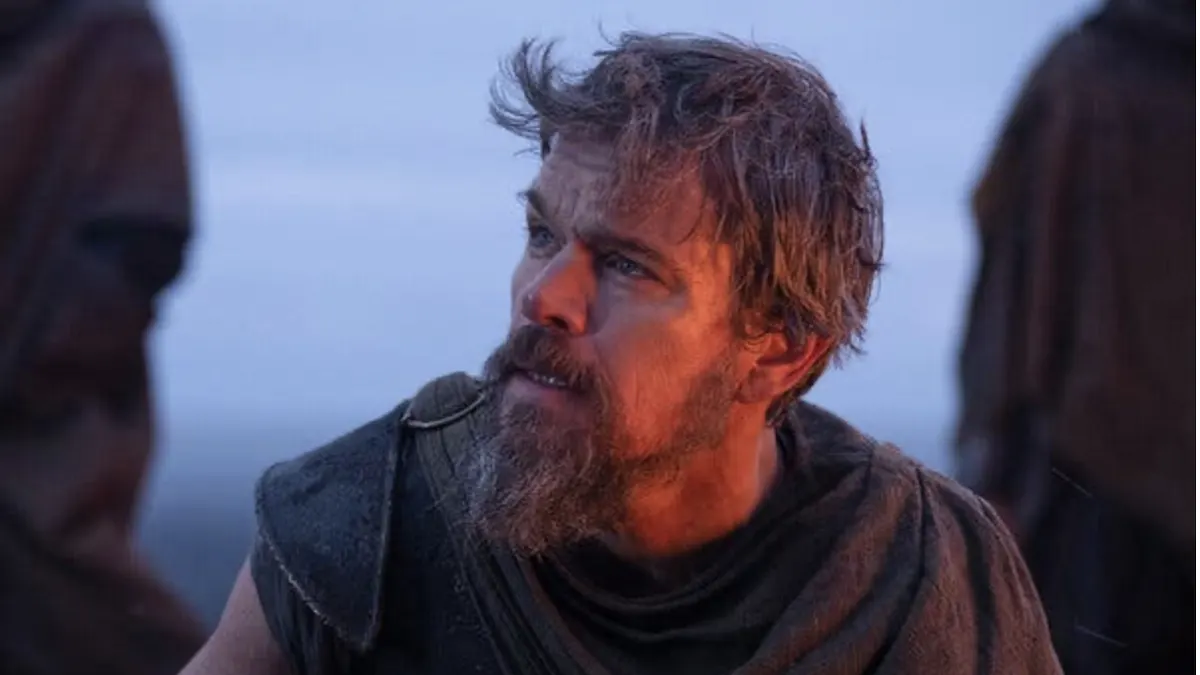
Christopher Nolan spent months promoting Emily Wilson's acclaimed translation of The Odyssey during the press tour for his film adaptation, but Wilson has now delivered a scathing review of the finished film. Writing in the London Review of Books, she criticised Nolan's work as combining "grandiosity and superficiality" and said she would be "ashamed" to have written any part of the script, despite being flattered that he had read at least her opening line.
Wilson's review, pointedly titled "An Uncomplicated Man" (a jab at Nolan's fondness for quoting her line "Tell me about a complicated man"), praised the film's battle scenes but faulted Nolan for simplifying Odysseus into a more likeable modern hero and stripping away much of the moral complexity of Homer's original. While she acknowledged he could be forgiven for cutting most of the gods, she argued the adaptation lacks anything meaningful to say about time, memory, history or war, calling his vision of the world "not quite big enough" for either real gods or people unlike ourselves.
In short
- Emily Wilson, Nolan's touted translator, panned his Odyssey film adaptation
- Review calls it "grandiose and superficial", titled "An Uncomplicated Man"
- She praised battle scenes but said Odysseus was oversimplified for modern audiences
Steelman: both sides, in good faith
The strongest fair case each way — we don't pick a winner.
The case for
Adaptations necessarily transform their source material to suit film as a medium. Converting an ancient epic poem into visual narrative requires streamlining plot, simplifying characterisation, and making content accessible to contemporary audiences unfamiliar with Homer. Making Odysseus more sympathetic is a defensible creative choice that helps viewers emotionally invest in his journey. Bringing classical literature to millions through cinema, even in simplified form, is a cultural good that can spark wider interest in the original work.
The case against
The Odyssey's moral and philosophical complexity is precisely what gives it enduring significance, and Emily Wilson's acclaimed translation illuminates this depth. If Nolan genuinely appreciated Wilson's work as he publicly claimed, he should have aspired to preserve the intellectual richness she revealed rather than reduce the hero to a more palatable modern archetype. Skilled filmmakers have managed to adapt complex literature whilst retaining psychological and thematic substance; the loss of meaningful engagement with time, memory and war suggests Nolan prioritised visual spectacle over the deeper questions that make Homer's work endure.
Explained simply
Christopher Nolan is a filmmaker renowned for visually ambitious films dealing with history and time. Emily Wilson is a classicist and translator whose recent translation of Homer's ancient epic The Odyssey has received significant acclaim. Nolan publicly promoted Wilson's translation during the publicity campaign for his film adaptation of The Odyssey.
Wilson has now published a critical review of Nolan's film, arguing that it transforms Odysseus into a more likeable modern hero and discards the moral complexity of Homer's original poem. She acknowledged the strength of the battle scenes but argued the film neglects what she sees as the epic's central concerns with time, memory, and the nature of war.
The situation involves two respected figures who have interpreted The Odyssey differently through their respective fields. Their public disagreement reflects the broader question of how ancient literary works should be adapted for film and modern audiences.
Americas Business Markets World