New releases, music videos and album news — indie, rap, rock and pop. Always covering Ren, Chris Webby, Sam Tompkins, bbno$, CHINCHILLA, Muse, Yungblud and more.
Chuck Mosley: The rap-rock pioneer who fronted both Faith No More and Bad Brains
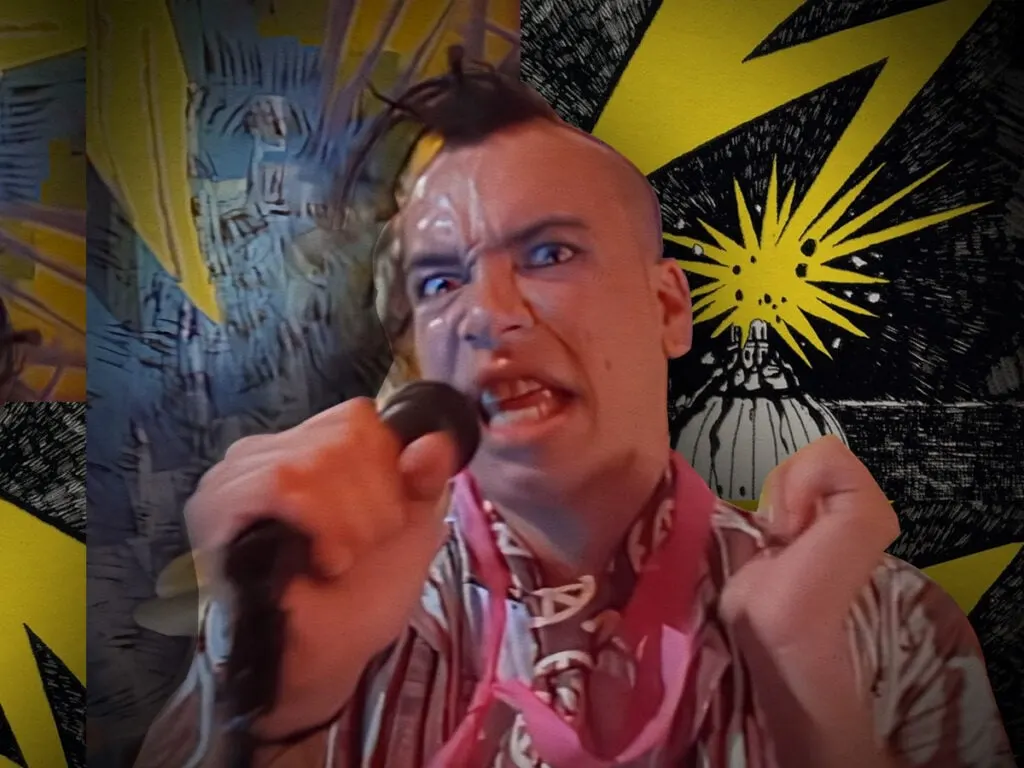
Chuck Mosley, best known as the original frontman of Faith No More and a later member of pioneering punk band Bad Brains, is being remembered as an early architect of the rap-rock sound that later dominated mainstream rock in the late 1990s and early 2000s. Mosley died in 2017 at the age of 57 from a heroin overdose, having relapsed after years of sobriety, and his death drew attention to the difficult decades he spent after leaving Faith No More, including financial hardship and relative obscurity working as a chef in Cleveland, Ohio.
Mosley fronted Faith No More for their first two albums, We Care a Lot (1985) and Introduce Yourself (1987), having replaced a young Courtney Love in 1984, and his delivery on the title track helped define the band's genre-blending style before he was replaced by Mike Patton at the end of the 1980s. Despite his dismissal and a subsequent lawsuit over his pay-out, relations with the band eventually thawed, and Mosley rejoined them onstage in San Francisco in 2010 for a duet with Patton, an experience that helped put to rest a recurring nightmare in which he forgot the words.
In short
- Chuck Mosley, Faith No More's original singer, died in 2017 aged 57.
- He helped pioneer rap-rock before being replaced by Mike Patton.
- Later years saw financial struggles, obscurity as a Cleveland chef, and a 2010 reunion.
Explained simply
Chuck Mosley was the first singer of Faith No More, a San Francisco band that mixed heavy guitars with funk, punk and rap. He sang on their first two albums, including the song “We Care a Lot”, before Mike Patton took over as frontman in the late 1980s.
That blend of styles helped lay groundwork for rap-rock, which reached a much larger audience in the late 1990s and early 2000s. Mosley later joined Bad Brains, an influential punk band, but spent much of his later life away from the spotlight; his death in 2017 also brought attention to his struggles with addiction and financial hardship.