World news and discussion on TalkFuse.
CIA and Mossad must eliminate Ghalibaf to break Iran’s continuity machine
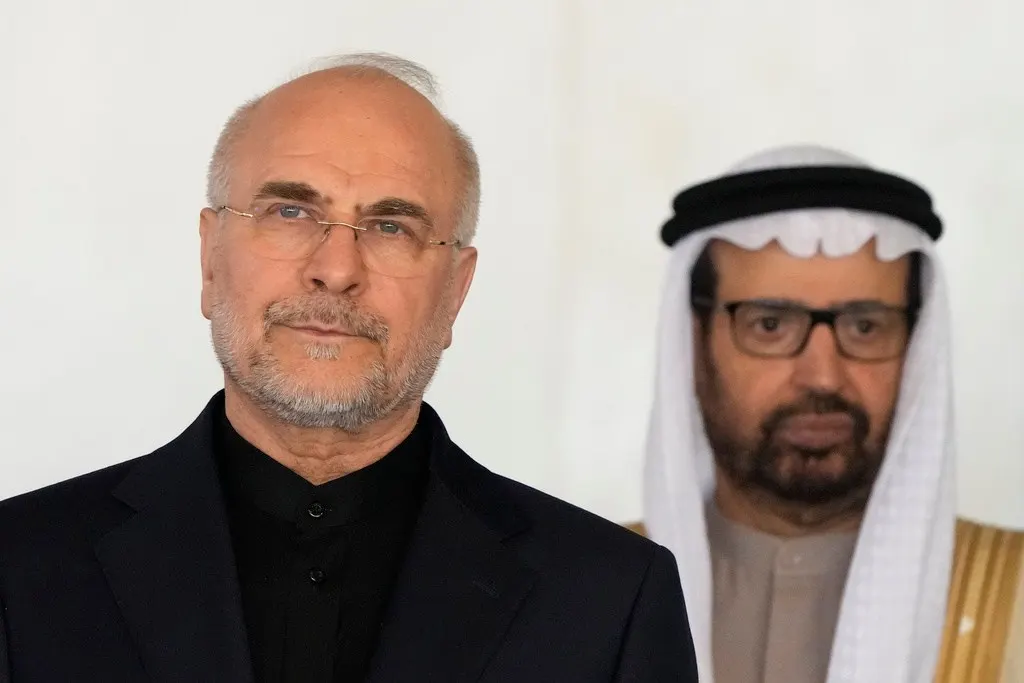
The article argues that Mohammad Bagher Ghalibaf is a key figure linking Iran’s Revolutionary Guard’s wartime command, construction interests and political institutions. It presents this role as significant to the regime’s ability to maintain continuity and control.
It says that, during his time as Tehran’s mayor from 2005 to 2017, Ghalibaf transferred at least 23 properties to the Guard’s Intelligence Unit through a project called “Martyr Shateri”. The article values the sites at 645 billion rials, or about $15.6 million at the time, and alleges that some were later used as secret detention and interrogation centres during protests in 2009, 2017 and 2019.
In short
- The article casts Ghalibaf as a link between Iran’s Guard and political system.
- It alleges he transferred at least 23 properties to the Guard’s intelligence unit.
- Some sites were allegedly used to detain protesters.
Steelman: both sides, in good faith
The strongest fair case each way — we don't pick a winner.
The case for
Those who support the article’s argument could say that, if Ghalibaf’s alleged role in connecting security, political and commercial institutions is accurate, removing him could weaken the system’s ability to coordinate repression and preserve control. They might view targeted action against a central figure as a way to disrupt that machinery and protect people facing state violence.
The case against
Those who oppose the proposal could argue that calling for the CIA and Mossad to kill a political figure is an unjustifiable extrajudicial act that risks civilian harm, regional escalation and retaliation. They could also question whether eliminating one person would weaken Iran’s institutions at all, while arguing that accountability should come through lawful processes and that the allegations described do not establish a case for assassination.
Explained simply
Mohammad Bagher Ghalibaf is an Iranian politician who has held senior roles in the country’s political system. He is also a former commander in the Islamic Revolutionary Guard Corps, a powerful military organisation that has a role in Iran’s security and economy as well as its armed forces.
The article describes Ghalibaf as a link between the Guard, construction projects and political institutions, and argues that these connections help Iran’s leadership preserve control. It alleges that, while he was Tehran’s mayor from 2005 to 2017, properties were transferred to the Guard’s Intelligence Unit and that some were later used to detain and question people during protests; these claims concern his past role and the use of the sites.