Cigarette prices to drop $30 under radical Coalition plan – as Angus Taylor denies lifting policy from One Nation
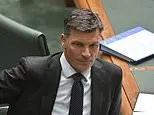
The Coalition, led by Liberal leader Angus Taylor, is pushing to cut Australia's tobacco excise by 80 per cent, which would slash roughly $30 off the price of a pack of cigarettes to levels last seen in 2013. Taylor argues that making legal cigarettes more competitively priced would undercut the booming illicit tobacco trade, which he says has fuelled organised crime, falling tax revenue and a wave of firebombings targeting tobacconists. The policy follows a similar proposal from Pauline Hanson's One Nation, whose rising popularity has coincided with a slump in Coalition support, though deputy leader Jane Hume denied the plan was copied from the minor party.
The current excise adds about $1.55 to each cigarette, pushing the average price of a 25-pack above $50, and the Australian Bureau of Statistics estimates 80 per cent of tobacco consumed in 2025 was illicit, up from 12 per cent in 2017. A Coalition-led parliamentary inquiry has called for the excise to be paused pending further review, but the Albanese government has resisted change, with minister Tanya Plibersek warning cheaper cigarettes "will kill people" given Australia's low smoking rates are linked to high prices; Greens senator David Shoebridge raised similar public health concerns. The announcement coincided with a suspected arson attack on a tobacco shop in Melton, Victoria, that left a man in critical condition with severe burns.
- Coalition proposes 80% cut to tobacco excise, cutting cigarette prices by $30
- Aims to undercut illicit tobacco trade blamed for crime and firebombings
- Government and Greens warn policy would harm public health, raise smoking rates
Both sides, in good faith
The strongest fair case each way — we don't pick a winner.
The case for
Proponents argue that a punishingly high excise has priced legal cigarettes out of reach for many smokers without reducing smoking, instead driving four in five smokers to a booming black market run by organised crime, evidenced by the wave of firebombings against tobacconists and collapsing tax revenue. They contend that cutting the excise would restore the price gap that once made legal tobacco competitive, starve criminal networks of their profit margin, protect small retailers from violent extortion, and ultimately recapture revenue lost to an unregulated trade the government currently cannot control. On this view, a policy is only worth pursuing if it actually reduces harm in practice, and a tax so high it has been overtaken by an unregulated, unsafe illicit market has arguably stopped serving its public health purpose.
The case against
Opponents argue that tobacco taxation has been one of the most effective public health tools in Australian history, with high prices a proven driver of the country's historically low smoking rates, and that slashing $30 off a pack risks reversing decades of progress by making cigarettes newly affordable to price-sensitive groups such as teenagers and low-income smokers. They contend that the illicit trade problem stems primarily from weak enforcement and porous border controls rather than the excise rate itself, and that rewarding that failure with a tax cut sets a troubling precedent while sacrificing revenue and, in Tanya Plibersek's words, ultimately costing lives. On this view, the answer to criminal exploitation of a policy is tougher enforcement against the criminals, not lowering a public health safeguard that has demonstrably saved lives.