Entertainment news and discussion on TalkFuse.
Cinema United Says Paramount-WBD Deal To Settle Lawsuit Checks “Many” Of Exhibitors’ Boxes
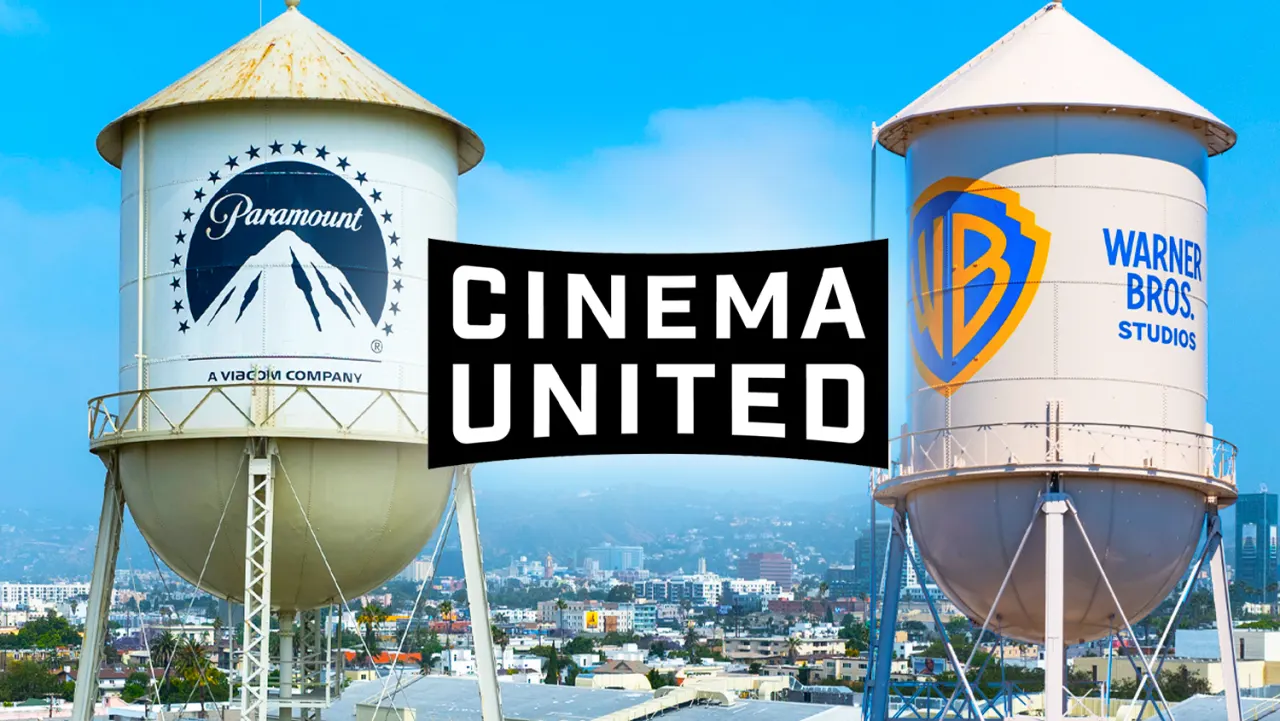
Cinema United, the film exhibitors' trade association that has opposed the Paramount-Warner Bros Discovery merger throughout, has welcomed the settlement reached by state attorneys general. The consent decree includes provisions for increased film production over five years, guaranteed theatrical exclusivity and wide distribution requirements, restrictions on cost increases, and continued access to studio film catalogues at reasonable rates. This settlement matters significantly as cinemas have been recovering from pandemic closures and production strikes; exhibitors feared the merger would concentrate control of films and distribution in one powerful entity, disadvantaging theatre owners across the country.
The settlement requires Paramount to produce films for five years, with 20 of 30 releases going to wide distribution (2,000+ screens) in the first two years, and 21 of 32 thereafter. Paramount has agreed to a 45-day theatrical exclusivity window before films move to streaming platforms. Cinema United had previously warned that the merger would concentrate approximately 40 per cent of the box office in a single studio's hands; the group cited the Disney-Fox merger as a cautionary precedent, which resulted in a $1 billion decline in box office revenue between 2016 and 2025, representing a 70 per cent drop.
In short
- Cinema United backs Paramount-WBD merger settlement protecting theatre interests
- Deal mandates film production quotas, exclusivity windows, and catalogue access
- Settlement addresses exhibitors' fears about studio consolidation threatening competition
Steelman: both sides, in good faith
The strongest fair case each way — we don't pick a winner.
The case for
Supporters of the settlement can argue that enforceable commitments on production, wide releases, theatrical exclusivity and access to film catalogues protect cinemas from losing films or bargaining power as the industry consolidates. The requirements offer exhibitors greater predictability during a fragile recovery, while still allowing the merged company to pursue efficiencies and compete with streaming services.
The case against
Critics can argue that the settlement’s time-limited promises do not remove the underlying concentration of control over major films, and may be difficult to enforce or insufficient as audience habits and distribution costs change. They may favour blocking the merger or imposing stronger, longer-lasting safeguards to protect competition and cinemas’ access to films.
Explained simply
Cinema United represents cinema owners and operators, while Paramount and Warner Bros Discovery are major film studios. Their proposed merger would bring two large film businesses under one company, raising concerns among exhibitors that it could give the combined studio greater influence over which films reach cinemas and on what terms.
The dispute matters as cinemas continue to recover from pandemic closures and production strikes. Theatre owners depend on a regular supply of films and access to studios’ catalogues, and changes in release timing or distribution could affect what cinemas can show and how they compete with streaming services.
Entertainment Film Research Science