Entertainment news and discussion on TalkFuse.
Clair Obscur: Expedition 33 devs were told that “no one” would like one of the RPG’s best systems before it launched, lead says: “We didn’t care”
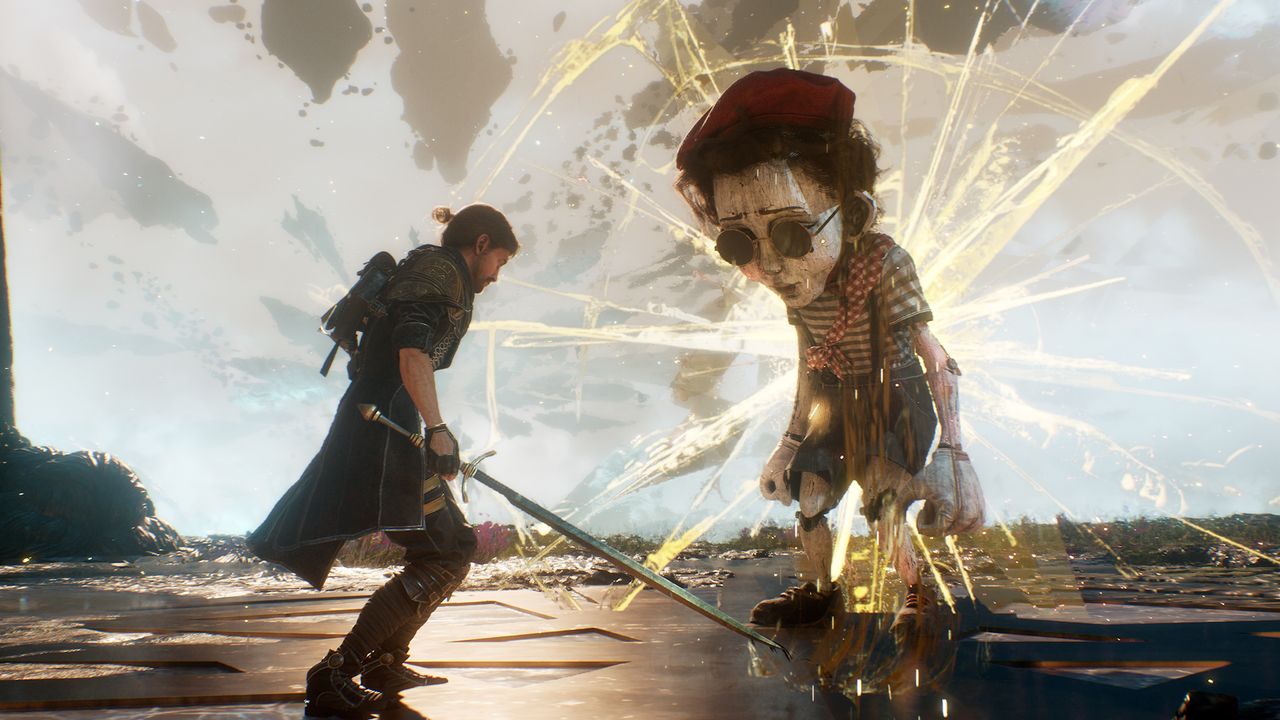
Before its release, Clair Obscur: Expedition 33 faced substantial industry scepticism over its core design approach. Multiple observers warned the development team that fusing turn-based mechanics with challenging action elements—such as dodging and parrying—represented a fundamentally flawed concept. They argued the hybrid system could not attract both traditional turn-based enthusiasts and action-oriented players, as these audiences were thought to have incompatible preferences.
The Sandfall Interactive team chose to disregard these warnings and released the game as designed. Upon launch, Clair Obscur vindicated their artistic conviction by winning all five major Game of the Year awards, becoming only the second game in history to achieve this distinction after Baldur's Gate 3. Creative director Guillaume Broche's recent reflection on the pre-release criticism demonstrates how the team's refusal to conform to industry expectations ultimately produced both critical acclaim and commercial triumph.
In short
- Clair Obscur: Expedition 33's developers rejected pre-release warnings that their hybrid turn-based/action combat system would fail with players
- The game became only the second ever to win all five major Game of the Year awards, proving industry sceptics wrong
- Creative director credits the team's decision to disregard conventional wisdom about game design as vital to their success
Steelman: both sides, in good faith
The strongest fair case each way — we don't pick a winner.
The case for
The developers understood their hybrid design more deeply than external skeptics could, and their artistic vision was vindicated by Clair Obscur's extraordinary success. Breakthrough innovation requires the courage to defy industry consensus when you have genuine conviction in your approach. This game demonstrates why trusting skilled developers' artistic judgement can yield better results than conforming to conventional wisdom about audience expectations.
The case against
Though the game succeeded brilliantly, the original skepticism identified real design tensions between turn-based and action mechanics that typically serve different audiences. The developers' exceptional execution overcame these inherent challenges, but this doesn't retroactively make the concerns unreasonable—sophisticated design can triumph despite inherent friction through skill and brilliance. Encouraging developers broadly to dismiss experienced industry feedback would be reckless, as it confuses one team's exceptional talent with evidence that domain expertise lacks genuine value.
Explained simply
Clair Obscur: Expedition 33 is a role-playing game from Sandfall Interactive that combines turn-based combat with action elements like dodging and parrying. Before its release, industry observers warned that this hybrid approach would not work, arguing that turn-based and action-focused players represent incompatible audiences.
The development team released the game as originally designed. It won all five major Game of the Year awards upon launch, making it only the second game in history to achieve this—the first being Baldur's Gate 3.
This outcome contradicted the pre-release predictions and has prompted discussion within the industry about the relationship between market expectations and creative decisions. The game represents a rare case where substantial pre-release scepticism gave way to critical success.